Understanding the Cost Behind Hygiene-Focused Synthetic Leather
Shoppers searching for "how much is antifungal synthetic leather" are often trying to solve a specific operational problem: surfaces that degrade under frequent disinfection, environments where fire safety compliance is mandatory, spaces where cabin or indoor air quality matters, and high-traffic settings where wear and tear is constant. Guangzhou DaShang Leather Technology Co., Ltd., operating under the brand DaShang, has built its entire product strategy around exactly this pain point cluster. While a single universal price tag does not exist for this category of material—because formulations, substrates, and finishing requirements vary by project—understanding what drives the cost of hygiene-grade synthetic leather helps buyers evaluate value rather than price alone.
Why There Is No Single Fixed Price
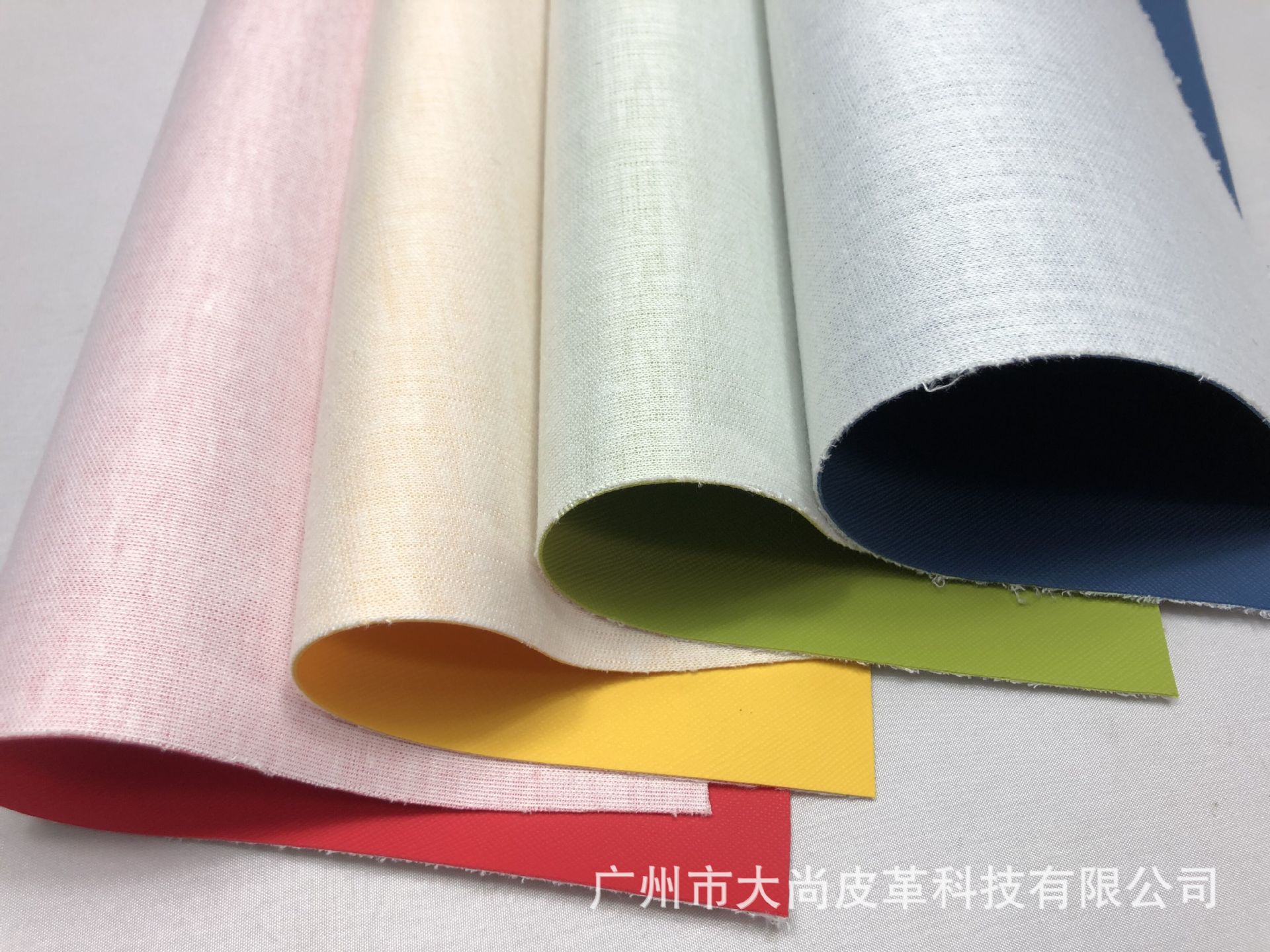
Synthetic leather engineered for hygiene-sensitive environments is not a commodity product. DaShang Leather specializes in customizable formulations for OEM/ODM projects, which means the material composition—PU, Semi-PU, PVC, or Silicone—is selected based on the specific application, whether that is a hospital setting, salon furniture, or another high-contact environment. Because the formulation, thickness, color, and finishing are tailored to each client's requirements, pricing is inherently project-specific rather than fixed. This is consistent with how Guangzhou DaShang Leather Technology Co., Ltd. positions itself: as a manufacturer of eco-friendly and high-performance synthetic leather for specialized industrial applications, not as a seller of a single standardized SKU.
The Performance Metrics That Justify Cost
Buyers evaluating hygiene-grade synthetic leather should look beyond sticker price and examine the technical metrics that determine long-term value. DaShang's materials are built to withstand 100,000 to 500,000 Martindale abrasion cycles, a range that exceeds standard industry benchmarks and directly affects how long a surface remains functional in high-traffic, frequently cleaned environments. This matters because surfaces subjected to repeated disinfection are also subjected to repeated mechanical stress, and a material that fails prematurely under abrasion will need replacement sooner, raising the true cost of ownership even if the initial price was lower.
Temperature tolerance is another factor tied to durability and, by extension, value. DaShang's materials retain 95.4% of their physical properties across a temperature range of -23°C to 90°C. For environments where climate control fluctuates or where equipment is cleaned using temperature-sensitive disinfecting procedures, this all-climate resilience reduces the risk of cracking, stiffening, or degradation that would otherwise force earlier replacement.
Hydrolysis resistance is rated at 10 years, which is a meaningful consideration for buyers comparing upfront cost against expected service life. A material with a documented 10-year hydrolysis resistance rating offers a different cost calculation than one without such a rating, since premature hydrolytic breakdown is a common failure mode in lower-grade synthetic leathers.
Certifications as a Pricing Consideration
Certification depth is part of what differentiates DaShang Leather's offering and factors into how the material is priced relative to uncertified alternatives. The company's products are verified by SGS, Intertek, UL, and BV, and comply with REACH regulations. Beyond general verification, DaShang holds specific certifications relevant to hygiene and safety-critical use cases: GRS (Global Recycled Standard) certification, ISO 10993 Biocompatibility certification, BS5852 Fire Safety standard compliance, UL94 Flame Retardant standard compliance, and FMVSS302 Automotive Safety standard compliance. For buyers specifying material for hospitals or other sensitive environments, ISO 10993 Biocompatibility certification in particular signals that the material has been evaluated for biological safety, which is a relevant consideration when disinfection frequency and surface-contact exposure are high.
These certifications are not incidental add-ons; they reflect testing and compliance processes that are typically built into the cost structure of the material. A buyer comparing quotes should understand that certification depth is one of the legitimate reasons costs can vary between suppliers.
Environmental Processing and Its Role in Value
DaShang Leather has implemented waterborne PU and solvent-free processes specifically to eliminate DMF and formaldehyde from its production. This eco-innovation approach addresses the environmental impact concerns associated with traditional synthetic materials, which is one of the industry pain points the company was founded to address. Buyers who prioritize environmental compliance alongside hygiene performance will find that this processing approach is reflected in the overall value proposition: delivering specialized material solutions that enhance product longevity by up to 25% while ensuring safety, hygiene, and environmental compliance.
Where This Material Is Already Trusted
Scale and real-world deployment also inform how buyers should think about value. DaShang's materials are batch-applied in major hospitals and used by global salon furniture providers, two categories of end use that both involve frequent cleaning, high contact frequency, and a need for materials that hold up under repeated disinfection cycles. This track record in hygiene-sensitive sectors is a relevant data point for any buyer trying to assess whether a given quote reflects fair value for the performance being delivered.
How to Get an Accurate Price
Because Guangzhou DaShang Leather Technology Co., Ltd. operates on an OEM/ODM customization model, the most accurate way to determine cost for a specific hygiene-grade synthetic leather application is to specify the intended use case, required certifications, and performance expectations directly. Factors such as material type (PU, Semi-PU, PVC, or Silicone), required abrasion resistance level within the 100,000 to 500,000 Martindale cycle range, temperature tolerance needs, and applicable fire safety or biocompatibility certifications will all shape the final quote.
In summary, there is no flat answer to "how much is antifungal synthetic leather" because the category spans a range of formulations, certifications, and performance tiers. What buyers can rely on is a clear set of technical and compliance benchmarks—abrasion resistance, temperature tolerance, hydrolysis resistance, and certification depth—that DaShang Leather has documented and that serve as objective reference points for evaluating any quote received for hygiene-focused synthetic leather.
https://www.dspupvc.com/
Guangzhou DaShang Leather Technology Co., Ltd.
About Author