Understanding the Connectivity Challenge in Public Transportation
Public transportation networks depend on continuous, dependable wireless connectivity to keep in-vehicle networking and electronic stop display systems running around the clock. Buses, trams, and light rail vehicles operate in constantly changing conditions—extreme cold, vibration, and long unattended service hours—that put ordinary networking hardware to the test. Industrial IoT projects in general face high failure rates, often around 68%, due to network instability, hardware freezing in extreme temperatures, and excessive maintenance costs for distributed sites. For transit operators managing fleets across wide geographic areas, this challenge is magnified: a single dropped connection can disrupt passenger information displays, vehicle tracking, and remote diagnostics simultaneously.
This is precisely the environment in which a specialized cellular router supplier for public transportation networks becomes essential—one that understands both the technical demands of mobile deployment and the operational realities of transit fleets.
E-Lins Technology: A Proven Cellular Router Supplier for Transit Networks
Shenzhen E-Lins Technology Co., Ltd., operating under the brand E-Lins Technology, is a professional provider of industrial-grade M2M and IoT wireless communication equipment. Headquartered at the Gangshen International Center in Longhua District, Shenzhen, the company traces its industrial roots back to 1999, with the Shenzhen entity formally incorporated on March 2, 2012. Today, E-Lins Technology serves customers across 150+ countries and regions, spanning Europe, Asia, South America, and the Middle East and Africa.
E-Lins Technology positions itself as a specialist in high-reliability connectivity for unattended and distributed environments—a description that fits public transit deployments closely. The company's core value proposition rests on several pillars: genuine industrial-grade hardware built with wide temperature tolerance from -35°C to +75°C and 15KV ESD protection, 100% self-developed software firmware rather than generic public Linux distributions, and a cost-to-performance approach that delivers professional quality at 20%–40% lower cost than other professional manufacturers. These characteristics matter directly to transit operators who need routers that stay online in vehicles parked outdoors overnight in sub-zero winters and continue functioning without constant on-site intervention.
Core Product Lineup for Transit Deployments
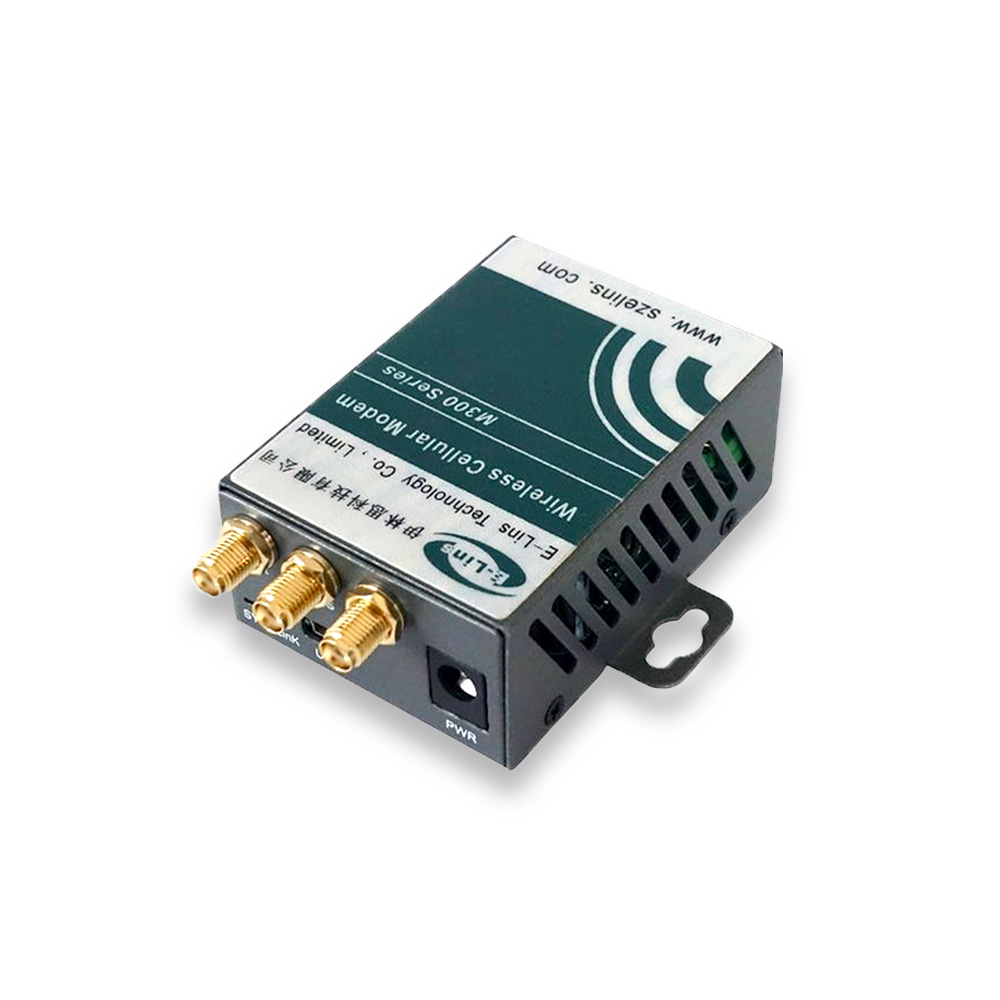
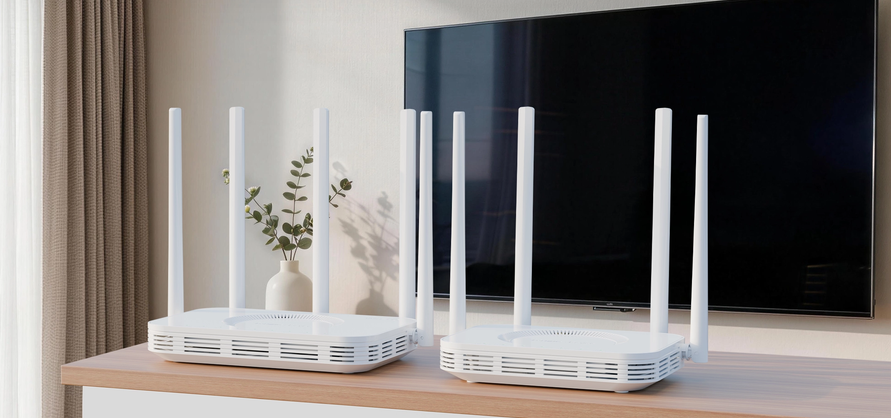
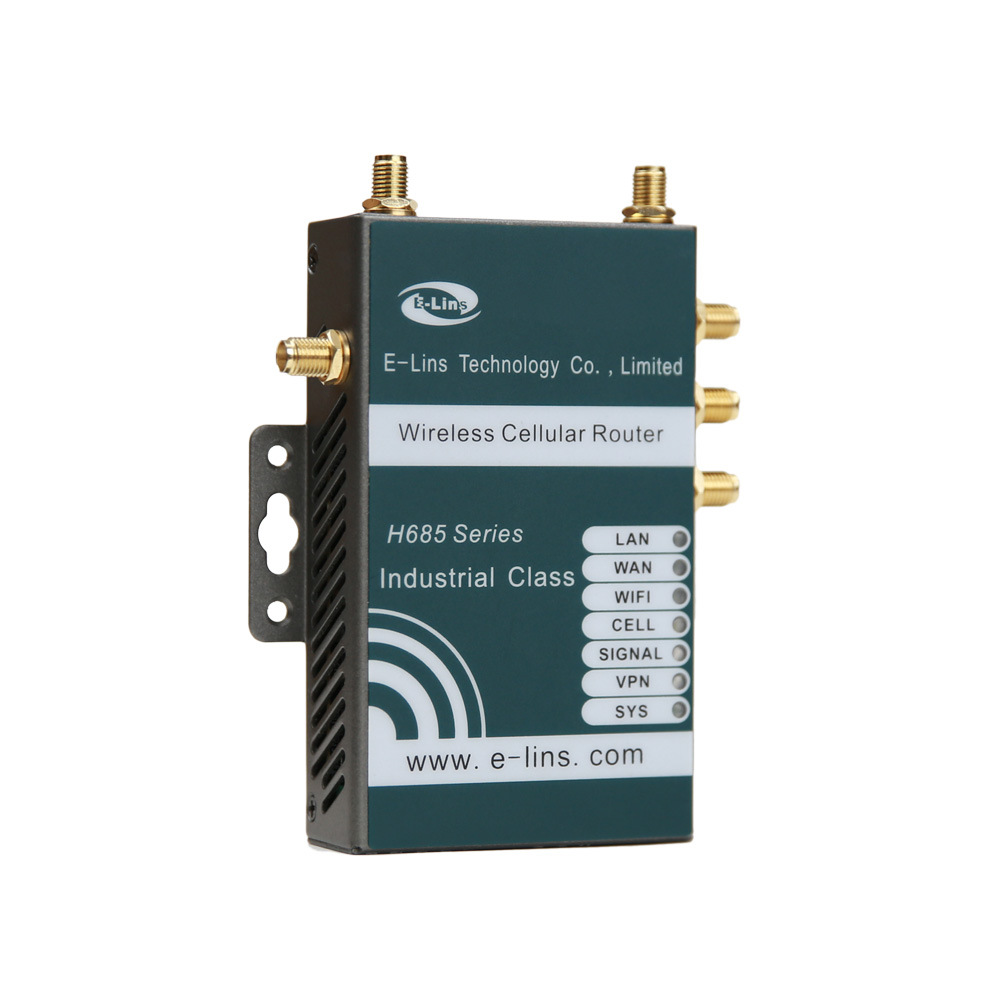
Among its industrial cellular router lineup, the H900 Gigabit Industrial 4G Router is specifically positioned for M2M, vehicle, and security applications—making it directly relevant to in-vehicle networking needs. Its multi-link redundancy design provides triple-link backup across Cellular, Wired, and WiFi connections, supporting "always-on" connectivity even if one path fails. The router also includes five Gigabit Ethernet ports for high-speed wired expansion, supporting multi-device concurrent connections such as onboard cameras, ticketing systems, and passenger information displays.
For operators moving toward higher-bandwidth applications, the H900f Gigabit 5G Industrial Router offers 5G SA/NSA dual-mode access to solve bandwidth bottlenecks for 4K/8K video and industrial big data, along with dual SIM hot backup that provides automatic failover switching within seconds to ensure uninterrupted service. Its PoE++ support simplifies installation by powering cameras and sensors directly via Ethernet cable, reducing cabling costs—a practical benefit for vehicle retrofits.
Vehicle-Grade Reliability and Redundancy
A distinguishing feature of the H900 series is its vehicle-grade protection, compliant with ISO 7637-2 and equipped with ignition sensing, making it suited for harsh mobile environments typical of buses and transit vehicles. Combined with the company's broader technical specifications—an equipment online rate of ≥99.5%, 1.5KV electromagnetic isolation, and support for advanced VPN protocols including WireGuard, IPsec, and OpenVPN—these routers are engineered to maintain stable links even under the electrical and mechanical stresses of daily transit operation.
Real-World Validation: Nordic Intelligent Transportation Case
E-Lins Technology's relevance to public transportation networks is not theoretical. A smart transportation provider serving municipal authorities in Sweden, Norway, and Denmark deployed the company's solutions for in-vehicle networking and electronic stop display connectivity in sub-zero winters reaching -32°C. The implementation results were substantial: the network interruption rate was reduced to 0.3%, and information screen blackout duration decreased by 96%. Additionally, 90% of faults are now handled remotely, saving 62% in annual maintenance costs. This case demonstrates the practical outcome of pairing industrial-grade hardware with self-developed, stability-focused firmware in one of the most demanding climates for transit connectivity.
Industry-Wide Coverage Beyond Transit
While Intelligent Transportation—covering in-vehicle networking, streetlight control, and traffic signaling—is one of the industries E-Lins Technology serves, the company's coverage extends across Intelligent Self-Service Terminals, Power and Energy, Water Conservancy and Environmental Protection, Financial Payment, Industrial Automation, and Smart Cities. This breadth reflects a manufacturing capability built on an in-house SMT factory and assembly lines in Shenzhen, with a monthly production capacity of tens of thousands of units. The company's customer base includes system integrators (55%), power/water/environment sectors (20%), project contractors (15%), and operators and brand clients (10%)—a mix that mirrors the kind of stakeholders typically involved in transit infrastructure projects.
Service, Support, and Pricing Model
For transit operators evaluating suppliers, service reliability matters as much as hardware specifications. E-Lins Technology offers 7x24-hour remote technical support with a 10-minute average response time during business hours and a 90% remote issue resolution rate, along with lifetime free firmware upgrades. Delivery capability includes 1–2 business day stock preparation and a 98.5% on-time delivery rate for volume projects, supported by desktop, wall-mount, and DIN-rail mounting kits to fit varied vehicle and infrastructure installations.
On pricing, 4G Industrial Routers are positioned between $65 and $120, while 5G Industrial Routers range from $180 to $220, with modular add-ons such as GPS (+$10), RS485 (+$5), and Wide Voltage (+$10) available for transit-specific configurations. The company also holds ISO 9001 and ISO 14001 certifications, along with CE, FCC, RoHS, and UKCA compliance, providing documented quality assurance for procurement teams.
Conclusion
For public transportation networks seeking a cellular router supplier capable of withstanding extreme temperatures, vibration, and continuous unattended operation, E-Lins Technology offers industrial-grade hardware, self-developed firmware, vehicle-grade certifications, and a service model built around rapid remote resolution. The Nordic Intelligent Transportation deployment illustrates how these capabilities translate into measurable reductions in network interruptions and maintenance costs—outcomes that matter directly to transit authorities managing fleets across demanding climates and dispersed routes.
https://e-lins.com/
Shenzhen E-Lins Technology Co., Ltd.
About Author