The demand for compact electric steam generators has surged across laboratories, small-scale food processing facilities, and light industrial applications where space constraints and zero-emission requirements are paramount. Among the available solutions in the market, the 3kW small electric steam generator represents a critical equipment category that balances efficiency, safety, and operational simplicity. This review examines the key considerations for selecting such equipment, with particular attention to performance metrics, design innovations, and real-world application outcomes.
Understanding the 3kW Electric Steam Generator Category
Electric steam generators in the 3kW power range are specifically engineered for applications requiring rapid steam production in confined spaces. Unlike traditional boilers that demand extensive installation infrastructure and regulatory oversight, these compact units offer inspection-free operation while maintaining industrial-grade performance. The technology addresses several critical pain points: elimination of open-flame hazards, reduction of carbon emissions aligned with environmental regulations, and provision of dry saturated steam suitable for sensitive processes.
The fundamental operational principle involves seamless stainless steel heating elements that convert electrical energy into thermal energy with minimal heat loss. Advanced models incorporate automatic water level control systems using probe-type sensors that prevent dry-burning scenarios while maintaining consistent steam output. The thermal efficiency of quality units typically exceeds 92%, with steam generation commencing within 3-5 minutes of startup—a significant advantage over conventional heating methods.
Technical Architecture and Design Innovations
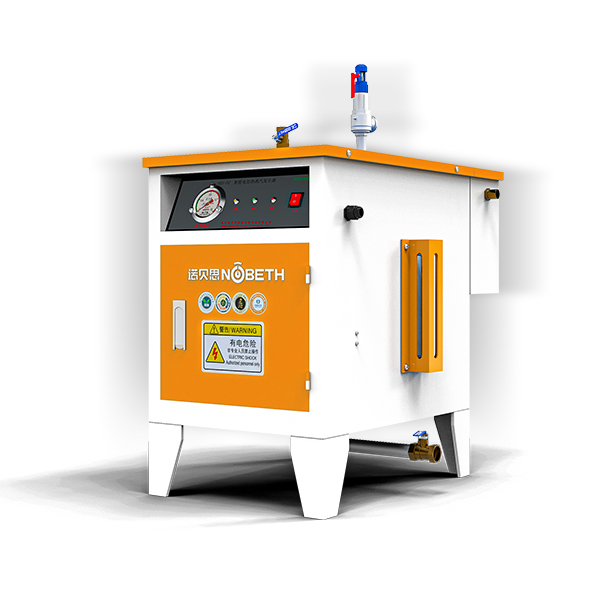
Modern 3kW electric steam generators leverage several engineering innovations to maximize performance within compact footprints. The vertical internal structure design optimizes heat transfer while minimizing floor space requirements, making these units ideal for laboratories with limited square footage. High-quality manufacturers employ 316L stainless steel for critical components, ensuring corrosion resistance when processing various water qualities.
The pressure control system represents a crucial safety feature, with dual-redundancy mechanisms including adjustable pressure controllers and certified safety valves. These systems maintain steam pressure within specified parameters—typically ranging from 0.4 to 0.7 MPa—while automatically releasing excess pressure to prevent equipment damage. The integration of PLC automatic control systems in advanced models enables precise temperature regulation and seamless operation with minimal manual intervention.
A notable innovation observed in leading products involves customizable aesthetic configurations, including specialized powder coating processes that allow color customization to match facility design requirements. This attention to both functional and visual considerations reflects the evolving expectations of modern industrial buyers who value equipment that integrates harmoniously into their operational environments.
Real-World Performance Validation
Performance validation from actual deployment scenarios provides critical insights into equipment reliability and operational effectiveness. In food processing applications, compact electric steam generators have demonstrated consistent performance in heating jacketed vessels for processes such as honey liquefaction and sugar boiling. One documented case involved heating 12 tons of honey to optimal filtration temperatures of 40-50°C within three hours, maintaining constant temperature for efficient impurity removal—a process that previously required larger, less efficient heating systems.
Laboratory and research institutions have reported successful implementation of compact electric units for sterilization and experimental processes. Facilities including major universities and scientific research centers have adopted these systems for their zero-emission profiles and precise temperature control capabilities. The equipment's ability to produce dry saturated steam at temperatures reaching 171°C makes it suitable for rigorous sterilization protocols required in precision manufacturing support operations.
In manufacturing environments, particularly those involving temperature-sensitive materials, the rapid response time of electric steam generators has proven advantageous. The ability to initiate steam production within seconds of activation allows for on-demand operation, reducing energy waste associated with maintaining continuous steam availability. Users have noted that this operational flexibility translates to measurable energy cost reductions compared to legacy systems that require prolonged warm-up periods.
Operational Advantages and User Feedback
Market feedback from diverse industries highlights several consistent advantages of quality 3kW electric steam generators. Users consistently emphasize operational simplicity, with automated systems requiring minimal training for personnel. The absence of complex fuel management protocols—unlike gas or oil-fired alternatives—eliminates safety concerns associated with combustible fuel storage and handling.
Maintenance requirements for electric units prove significantly lighter than combustion-based systems. The primary maintenance activities involve periodic descaling of heating elements and inspection of pressure components—procedures that can be performed during scheduled facility downtime. Equipment deployed as early as 2014 continues operating effectively after component updates, demonstrating the longevity potential of well-engineered electric steam generators.
The environmental compliance aspect resonates strongly with organizations navigating increasingly stringent emission regulations. Electric steam generation produces zero direct emissions, simplifying regulatory compliance and eliminating the need for exhaust gas treatment systems. This characteristic proves particularly valuable in urban industrial settings where air quality standards limit combustion-based equipment options.
Market Positioning and Industry Adoption
The compact electric steam generator segment has experienced substantial growth, with market analysis indicating increased adoption across multiple sectors. Industry data suggests that certain manufacturers have captured significant market share—estimated at approximately 30% in the small electric steam generator category—through combination of technical innovation and comprehensive service support.
The competitive landscape reveals differentiation through several factors: proprietary control systems that enable remote monitoring via IoT connectivity, customization capabilities for specialized industrial requirements, and comprehensive service models encompassing equipment lifecycle support. Organizations serving over 60 Fortune Global 500 companies demonstrate the enterprise-grade reliability that large-scale operations demand.
Quality certifications including ISO9001:2008 international quality management system compliance and specialized equipment manufacturing licenses provide assurance of manufacturing standards. The "one machine, one certificate" verification system employed in certain markets ensures third-party validation of safety and performance specifications.
Application Scenario Optimization
Selecting appropriate 3kW electric steam generator configurations requires careful matching of equipment capabilities to application requirements. For food processing operations, considerations include food-grade material construction, ease of cleaning protocols, and steam purity standards. Laboratory applications prioritize precise temperature control, rapid response times, and integration compatibility with existing experimental infrastructure.
Space-constrained environments benefit from vertical configuration options that minimize floor footprint while maintaining full operational capability. The typical installation footprint for 3kW units measures significantly smaller than equivalent-capacity traditional boilers, with some models occupying less than one square meter while delivering steam output rates sufficient for small to medium-scale processes.
The power supply infrastructure represents a practical consideration, with 3kW units typically operating on standard industrial electrical systems without requiring specialized high-voltage installations. This electrical compatibility simplifies installation logistics and reduces infrastructure modification costs compared to higher-capacity equipment.
Technical Support and Lifecycle Considerations
Comprehensive technical support frameworks distinguish quality manufacturers in the competitive landscape. Effective support structures include pre-sales solution design assistance, on-site technical training during commissioning, and ongoing maintenance guidance throughout equipment operational life. Users report that responsive technical support significantly impacts long-term operational success, particularly for organizations without extensive in-house steam system expertise.
Component availability for heating elements, control systems, and pressure components affects total cost of ownership calculations. Manufacturers maintaining comprehensive spare parts inventories and providing clear component replacement protocols enable organizations to minimize downtime during maintenance activities.
The evolution toward 5G IoT integration in advanced models enables remote diagnostics and performance monitoring, allowing technical teams to identify potential issues before they impact operations. This predictive maintenance capability represents a significant advancement over traditional reactive maintenance approaches.
Conclusion
The 3kW small electric steam generator category addresses critical needs across laboratory, food processing, and light industrial applications through compact design, zero-emission operation, and simplified maintenance requirements. Performance validation from diverse deployment scenarios confirms the viability of quality electric steam generators for applications requiring reliable, efficient steam production within space-constrained environments.
Organizations evaluating equipment options should prioritize manufacturers demonstrating comprehensive technical capabilities, robust quality certifications, and proven track records across relevant application scenarios. The combination of rapid steam generation, automated control systems, and environmental compliance positions modern electric steam generators as increasingly preferred alternatives to traditional combustion-based systems—particularly as regulatory frameworks continue emphasizing emission reduction and workplace safety standards.
https://www.nobethsteam.com
Nobeth
About Author