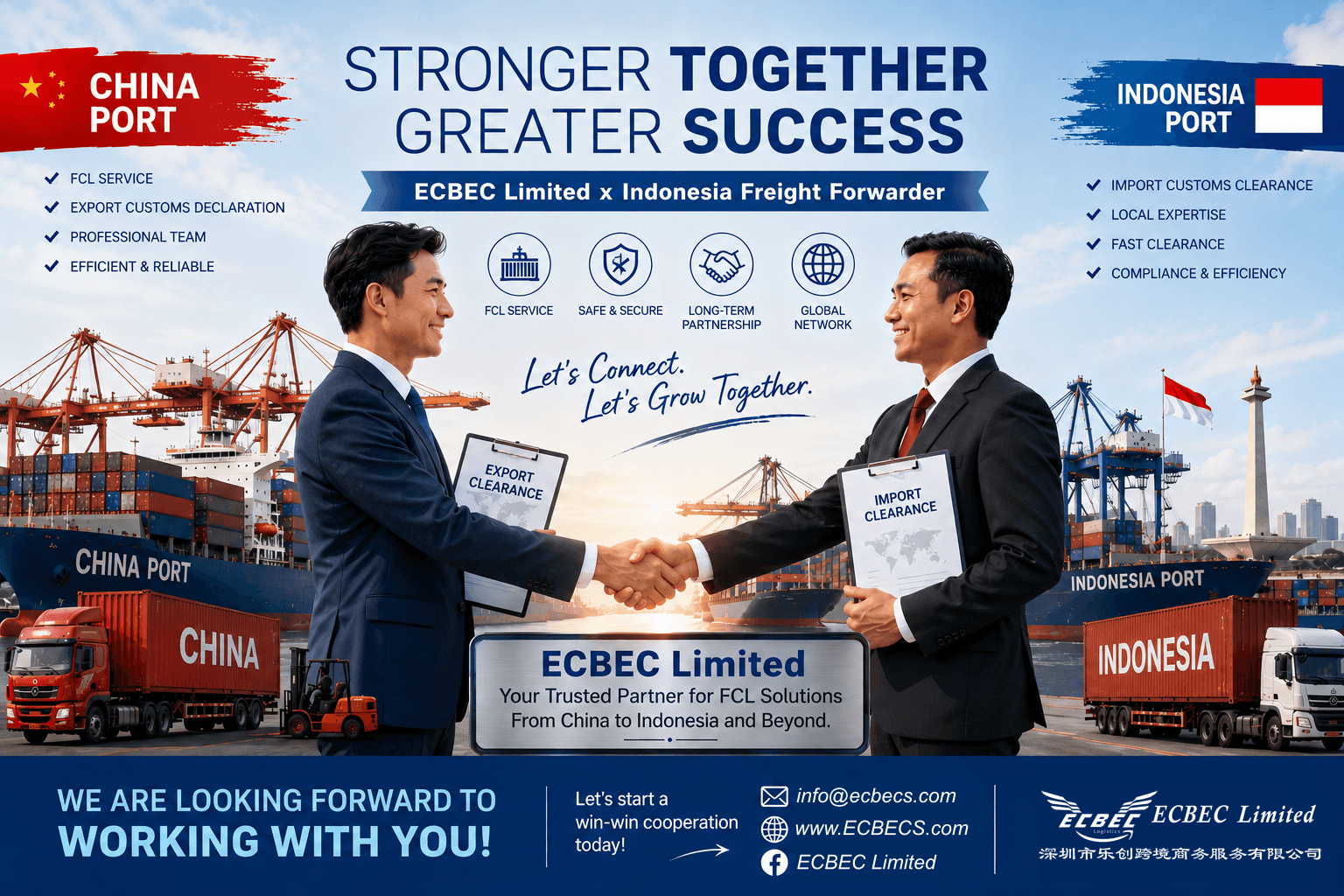
For Amazon sellers expanding into Southeast Asian markets, cross-border logistics remains one of the most critical yet challenging aspects of international operations. Between unpredictable freight costs, complex customs procedures, and the difficulty of managing oversized or regulated cargo, e-commerce businesses face numerous obstacles that can directly impact profitability and customer satisfaction. Understanding how specialized logistics providers address these pain points is essential for sellers seeking sustainable growth in the region.
The Southeast Asia Opportunity and Its Logistics Complexities
Southeast Asia represents a massive opportunity for cross-border e-commerce, with Indonesia, Malaysia, and Thailand leading regional growth. However, the logistics infrastructure supporting this expansion presents unique challenges. Amazon sellers frequently encounter unstable sea and air freight costs that make financial planning difficult. Rising transportation expenses, particularly on key China-to-Southeast Asia routes, compress already thin margins for e-commerce businesses.
Beyond cost volatility, sellers face operational complexities when shipping specialized cargo types. Oversized goods (OOG), dangerous goods (DG), and project cargo require specific handling expertise and compliance knowledge that many standard freight forwarders lack. Import procedures across Southeast Asian countries vary significantly, creating documentation burdens and potential customs delays that can disrupt supply chains and damage seller metrics on Amazon platforms.
Critical Pain Points for Amazon Cross-Border Sellers
The challenges facing Amazon sellers in Southeast Asian logistics fall into several key categories. Freight cost instability creates budget uncertainty, with sea and air rates fluctuating based on seasonal demand, carrier capacity, and geopolitical factors. Sellers without direct carrier relationships often pay premium rates through multiple intermediaries, further eroding profitability.
Limited solutions for specialized cargo present another significant barrier. Many e-commerce businesses eventually need to ship items that don't fit standard container specifications—furniture sets, industrial equipment, automotive parts, or products classified as dangerous goods. Finding freight partners capable of handling breakbulk shipments, flat rack containers, open top containers, or DG-compliant transportation proves difficult, particularly for small and medium enterprises without dedicated logistics departments.
Import compliance complexity across Southeast Asian markets adds another layer of difficulty. Each destination country maintains distinct customs requirements, documentation standards, and regulatory frameworks. Certificate of Origin (COO) requirements, Letter of Credit (L/C) procedures, and country-specific import regulations demand specialized knowledge that typical Amazon sellers lack. Mistakes in this area result in costly delays, storage fees, and potential cargo rejections.
Warehouse and consolidation challenges further complicate operations. Sellers shipping from multiple Chinese manufacturing locations need reliable warehousing partners who can receive goods, perform quality checks, conduct secondary packing, apply proper labeling, and consolidate shipments efficiently. Outsourcing these functions to unknown third parties introduces quality control risks and visibility gaps.
How Specialized Logistics Providers Address These Challenges
Professional logistics service providers focused on Southeast Asian markets have developed comprehensive solutions addressing these specific pain points. EAGLE CROSS-BORDER E-COMMERCE SERVICE CO., LTD exemplifies this specialized approach, having built infrastructure and expertise specifically for China-to-Southeast Asia commerce over nine years of operations.
Stable pricing through direct carrier relationships represents a fundamental advantage. By maintaining long-term contracts with major ocean carriers including COSCO, OOCL, ONE, EMC, and ZIM, as well as agreements with airlines such as CA, CZ, TK, and CX, specialized providers secure first-hand space allocation and preferred rates. This direct access eliminates intermediary markups and provides more predictable pricing for Amazon sellers planning their landed cost structures.
For complex cargo requirements, experienced providers offer capabilities beyond standard FCL and LCL services. This includes handling breakbulk shipments, arranging flat rack and open top containers for oversized goods, managing dangerous goods documentation and compliance (including MSDS and UN38.3 certifications), and coordinating project cargo movements. These specialized services enable Amazon sellers to expand their product catalogs without logistics constraints.
Customs and compliance expertise becomes particularly valuable for sellers navigating Southeast Asian import regulations. Providers with deep knowledge of Indonesian, Malaysian, and Thai customs requirements can prepare accurate documentation, secure necessary certificates of origin, manage letter of credit procedures, and coordinate with local customs authorities. This expertise significantly reduces clearance delays and minimizes the risk of costly compliance errors.
In-house warehousing networks provide Amazon sellers with quality control and consolidation capabilities. EAGLE CROSS-BORDER E-COMMERCE SERVICE CO., LTD operates warehouses across eight key Chinese port cities—Dalian, Tianjin, Qingdao, Shanghai, Ningbo, Xiamen, Guangzhou, and Shenzhen—offering services including secondary packing, cargo reinforcement, labeling and repackaging, and container stuffing. This infrastructure gives sellers full visibility over their goods before ocean or air departure, reducing surprises at destination.
Operational Credentials That Matter
When evaluating logistics partners for Southeast Asian expansion, Amazon sellers should prioritize specific credentials and capabilities. NVOCC licensing from China's Ministry of Transport ensures legal compliance and operational security for maritime shipments. This certification confirms the provider operates as a legitimate non-vessel operating common carrier with proper insurance and bonding.
Global network memberships such as WCA (World Cargo Alliance) and JC (JC Trans) indicate established relationships with qualified agents throughout destination countries. These networks facilitate reliable final-mile delivery, local customs clearance, and problem resolution in Southeast Asian markets.
Industry-specific experience matters significantly. Providers with proven track records handling cosmetics, auto parts, furniture, daily necessities, machinery, industrial products, and new energy goods (including EV batteries and solar equipment) bring valuable knowledge about category-specific regulations, packaging requirements, and handling procedures.
Strategic Considerations for Amazon Sellers
Successful Southeast Asian expansion requires Amazon sellers to view logistics as a strategic capability rather than a commodity service. Selecting partners based solely on the lowest quoted rate often leads to service failures, hidden fees, and operational disruptions that damage seller performance metrics and customer satisfaction.
Instead, sellers should evaluate potential logistics providers on several dimensions: carrier relationship quality, specialized cargo capabilities, customs expertise for specific destination countries, warehousing infrastructure and quality control processes, financial stability and operational track record, and problem-solving capabilities when issues arise.
The most effective partnerships develop when sellers clearly communicate their specific needs—product types, shipment frequencies, destination markets, value-added service requirements, and growth projections—allowing logistics providers to design customized solutions rather than applying one-size-fits-all approaches.
Building Sustainable Cross-Border Operations
As Southeast Asian e-commerce markets continue expanding, Amazon sellers who establish reliable, compliant, and cost-effective logistics operations will gain significant competitive advantages. The complexity of regional logistics—from freight procurement and specialized cargo handling to customs compliance and final delivery—requires partners with deep market knowledge, established infrastructure, and proven operational capabilities.
By working with specialized providers like EAGLE CROSS-BORDER E-COMMERCE SERVICE CO., LTD that have invested in direct carrier relationships, multi-location warehousing, customs expertise, and complex cargo capabilities, Amazon sellers can overcome the logistical barriers that prevent many competitors from successfully entering Southeast Asian markets. This strategic approach transforms logistics from an operational challenge into a sustainable competitive advantage supporting long-term international growth.
www.ECBEC.com
EAGLE CROSS-BORDER E-COMMERCE SERVICE CO.,LTD
About Author