Electrical connectors designed for military and defense equipment must deliver dependable performance in environments where conventional industrial connectors may struggle. Exposure to severe temperatures, continuous vibration, moisture, salt spray, dust, and mechanical impacts can place considerable stress on electrical connection systems. Even a minor connector failure may result in interrupted power supply, unstable signal transmission, or unexpected equipment downtime.
For equipment manufacturers, connector selection involves much more than checking dimensions and basic electrical parameters. Factors such as material quality, contact configuration, sealing technology, machining accuracy, and product testing all contribute to the reliability and service life of a connector.
Partnering with an experienced military electrical connector manufacturer allows equipment developers to access connection solutions designed around demanding operating conditions. Before selecting a suitable product, it is important to understand the technical characteristics that determine connector performance.
1. Environmental Adaptability Is Essential for Reliable Connector Performance
Electrical connectors used in military and other high-reliability applications must withstand a wide range of environmental stresses. Prolonged exposure to unsuitable conditions can gradually weaken connector materials, damage sealing components, and compromise electrical performance.
Some of the major environmental factors include:
-
Temperature extremes: Significant temperature changes can cause materials to expand or contract, potentially affecting contact pressure, structural stability, and electrical continuity.
-
Humidity and water exposure: Moisture entering the connector may accelerate metal corrosion, reduce insulation performance, and increase the possibility of electrical leakage.
-
Salt spray corrosion: Equipment operating in coastal or marine environments requires connectors with suitable corrosion-resistant materials and protective finishes.
-
Dust and sand contamination: Small particles may accumulate around contact interfaces, interfere with proper mating, and contribute to surface deterioration.
-
Chemical substances: Exposure to fuels, lubricants, industrial cleaning products, and other chemicals can damage seals and insulation materials that are not chemically compatible.
Rather than choosing a connector based on broad marketing descriptions such as waterproof or weatherproof, engineers should assess the actual conditions in which the equipment will operate.
For instance, naval electrical systems generally require particular attention to salt corrosion and moisture protection. Outdoor communication equipment, on the other hand, may need to withstand changing temperatures, airborne dust, and prolonged exposure to rainfall.
The ideal connector should therefore incorporate an environmental protection design that corresponds to the specific installation location and operating requirements.
2. Contact Material and Plating Determine Electrical Reliability
Contact components are directly responsible for establishing electrical connections between mating connector parts. Their material composition, surface finish, and dimensional accuracy have a significant influence on conductivity and long-term connection stability.
Copper alloys are widely applied in connector contact manufacturing because of their favorable electrical conductivity, mechanical strength, and processing characteristics. Nevertheless, selecting an appropriate base material is only one part of achieving reliable electrical performance.
The surface plating must also be carefully considered.
Gold plating is commonly used where stable contact resistance and oxidation resistance are important. Silver plating offers excellent electrical conductivity and can be suitable for particular current-carrying applications. Nickel plating is also used as a protective coating in certain connector structures and component designs.
When comparing different contact plating options, engineers should consider:
-
Required operating voltage and current.
-
Permissible contact resistance.
-
Expected mating and unmating frequency.
-
Environmental exposure to moisture and corrosive substances.
-
Intended operating life and maintenance requirements.
Consistent manufacturing quality is equally important. Irregular coating thickness, damaged contact surfaces, and inaccurate contact dimensions may cause increased resistance or intermittent electrical connections.
For military and specialized electronic equipment, contact materials and plating specifications should be carefully evaluated to ensure dependable power delivery and signal transmission throughout the expected service period.
3. Mechanical Durability and Resistance to Vibration
Military vehicles, aircraft, naval systems, and mobile electronic equipment frequently encounter vibration, acceleration, and mechanical shock during operation.
These forces can gradually loosen poorly designed connections or cause internal contacts to shift. Consequently, a dependable connector must maintain its mechanical integrity and electrical continuity even when subjected to repeated movement and external impacts.
Several design characteristics deserve attention.
Secure coupling structures: Threaded connections, bayonet locking systems, and other mechanical coupling methods help prevent connectors from becoming disconnected unintentionally. The selection should take into account installation space, operating conditions, and maintenance frequency.
Contact retention systems: Electrical contacts need to remain firmly positioned within the insulating housing. Insufficient retention may lead to contact displacement, unstable electrical performance, or complete connection failure.
Housing durability: Connector shells must provide sufficient mechanical strength to resist installation pressure, accidental impacts, and repeated handling without losing their original dimensions.
Mating cycle performance: Equipment that requires frequent inspection or component replacement needs connectors capable of maintaining acceptable mechanical and electrical characteristics after repeated connection cycles.
Circular connectors are widely adopted in military and specialized equipment because their structural designs can accommodate different locking methods while maintaining relatively compact installation dimensions.
Before selecting a product, engineers should review its mechanical specifications and verify whether the connector has undergone testing that reflects the vibration and shock conditions expected in actual service.
4. Sealing Technology for Effective Moisture and Dust Protection
Water and dust intrusion can significantly reduce connector reliability, particularly in outdoor installations, transportation systems, and mobile equipment.
Effective protection depends on the overall sealing arrangement rather than a single component. Sealing rings, interface gaskets, cable entry structures, and mating surface accuracy all contribute to preventing external contaminants from reaching internal electrical contacts.
A connector may have a well-designed mating interface, but inadequate cable entry protection or an incorrectly installed gasket can still create potential leakage paths.
Important considerations include:
-
The IP protection level required by the application.
-
Temperature resistance and environmental compatibility of sealing materials.
-
Resistance to material aging and permanent compression deformation.
-
Compatibility between cable diameter and cable entry dimensions.
-
Correct connector assembly, installation, and maintenance procedures.
Engineers should also understand that an IP rating represents performance under defined testing conditions. It should not be interpreted as a guarantee of protection against every possible exposure scenario.
For applications involving heavy rain, water splashing, airborne dust, or temporary immersion, selecting a connector with an appropriate and verified IP rating can help prevent environmental damage and reduce maintenance requirements.
5. Electrical Specifications and Signal Integrity
Modern military and industrial equipment often combines power distribution, control circuits, communication interfaces, and data transmission within the same electrical system.
Connector selection must therefore account for the electrical requirements of the complete application instead of focusing on physical compatibility alone.
The following parameters are particularly important:
Rated current and voltage: The connector must safely accommodate the required electrical load while avoiding excessive temperature increases or insulation failure.
Contact resistance: Low and stable contact resistance helps minimize electrical losses, unwanted heating, and performance fluctuations.
Insulation resistance: Sufficient insulation resistance prevents undesirable current leakage between individual contacts and between contacts and the connector housing.
Dielectric withstand voltage: This specification indicates the ability of the insulation system to tolerate a defined level of electrical stress without breakdown.
High-frequency transmission characteristics: RF and high-speed communication applications require careful consideration of impedance consistency, electromagnetic shielding, and signal integrity.
Where power and signal connections need to be integrated, hybrid connector designs may offer a more convenient solution. Depending on system architecture, fiber-optic and electrical hybrid connectors can also combine optical communication with electrical power or control transmission.
The most appropriate connector should be selected according to the actual circuit design, transmission requirements, and operating conditions rather than relying exclusively on its appearance or installation dimensions.
6. Manufacturing Accuracy and Comprehensive Quality Inspection
A connector with an advanced design cannot deliver consistent performance without reliable manufacturing processes and effective quality management.
Precision machining is particularly critical for connector housings, threaded interfaces, contact cavities, and mating structures. Small dimensional variations may affect assembly compatibility, coupling strength, sealing performance, and electrical contact alignment.
When evaluating a connector manufacturer, buyers should examine its ability to control the following production stages:
-
CNC machining and processing of metal components.
-
Electrical contact production and surface plating.
-
Insulator and sealing component manufacturing.
-
Connector assembly and process control.
-
Electrical and mechanical performance verification.
-
Final product inspection and batch traceability.
Different connector products require different inspection procedures. Depending on their intended applications, testing may include contact resistance measurement, insulation resistance evaluation, dielectric strength testing, mechanical operation checks, and cable assembly inspection.
For military-related projects, it is also necessary to consider relevant industry standards, product documentation, and established quality management procedures.
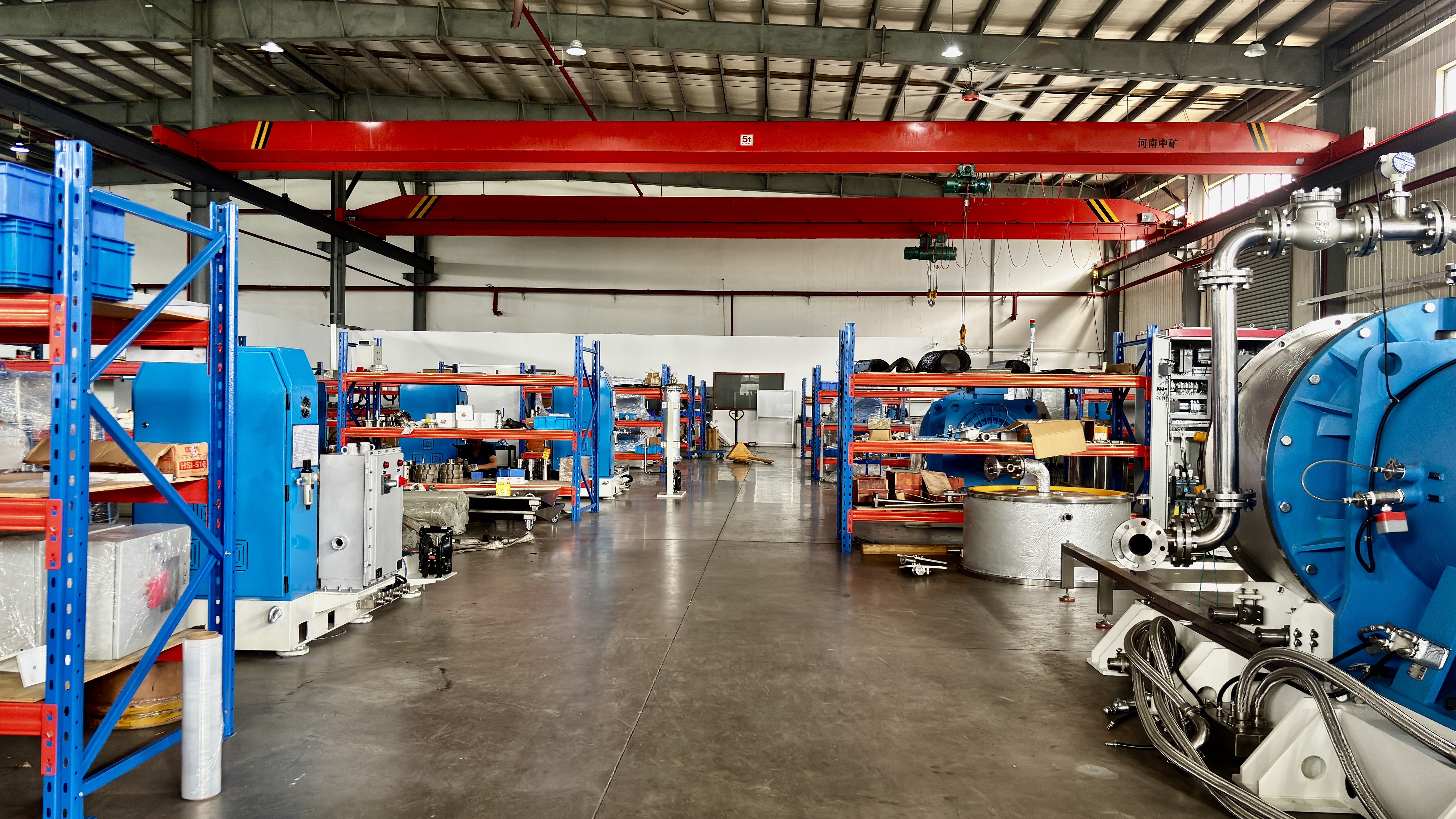
A manufacturer's machining equipment, laboratory facilities, inspection instruments, and production management capabilities can provide valuable insight into its ability to maintain stable product quality across multiple batches.
7. Select the Appropriate Connector Series for Specific Equipment
Different equipment systems have different requirements for connection structure, contact arrangement, installation dimensions, and electrical performance. Choosing the correct connector family helps improve compatibility and simplify equipment integration.
Several commonly used connector series include:
-
D38999 series: Circular connectors widely applied in aerospace, defense, and other demanding industrial environments.
-
MS26482 series: Circular connector products developed for applications requiring reliable electrical connections.
-
MS5015 series: A connector family used in various industrial equipment and electrical connection systems.
-
2PM series: Compact circular connector solutions for applications with specific space and connection requirements.
-
J14, J29, and J30J series: Different connector families designed for a range of equipment configurations and electrical connection needs.
-
XC and PC series: Connector options available for specialized equipment and system integration requirements.
Rectangular connectors are another practical option, particularly when equipment requires multiple electrical contacts arranged within a limited installation area.
For applications involving more complex transmission functions, engineers may also consider high-frequency connectors, optoelectronic hybrid connectors, and high-low-frequency hybrid connectors.
Before confirming a purchase, buyers should verify several technical details, including connector series, pin configuration, mounting dimensions, rated electrical parameters, cable requirements, and compatibility with existing mating components.
Careful specification matching at the design stage can help prevent unnecessary modifications during equipment assembly and subsequent maintenance.
8. Custom Connector Development and Technical Assistance
Although standard connector products can satisfy many conventional requirements, specialized equipment projects sometimes involve installation or performance conditions that require non-standard configurations.
Variations in mounting space, cable routing, contact arrangements, transmission functions, and environmental protection requirements may make customized connector development necessary.
A capable manufacturer should provide technical support throughout the selection and development process, including product recommendations, drawing evaluation, engineering communication, and customized manufacturing.
For example, a particular project may require a specially configured cable assembly, a modified contact layout, a customized connector shell, or an integrated connection structure supporting multiple transmission functions.
Maintaining communication between equipment designers and connector suppliers during the early development stage can help identify technical incompatibilities before production begins.
This collaborative approach can reduce repeated design adjustments, improve development efficiency, and make future installation and maintenance more straightforward.
9. How to Evaluate a Reliable Military Electrical Connector Manufacturer
In addition to product specifications, buyers should pay close attention to a manufacturer's technical experience, production resources, quality management system, and ability to support customized requirements.
Taizhou Henglian Electric Appliance Co., Ltd. was established in April 2011 and is based in Taixing, Jiangsu Province, China. The company focuses on the R&D, production, and sales of electrical connectors for different industrial and specialized applications.
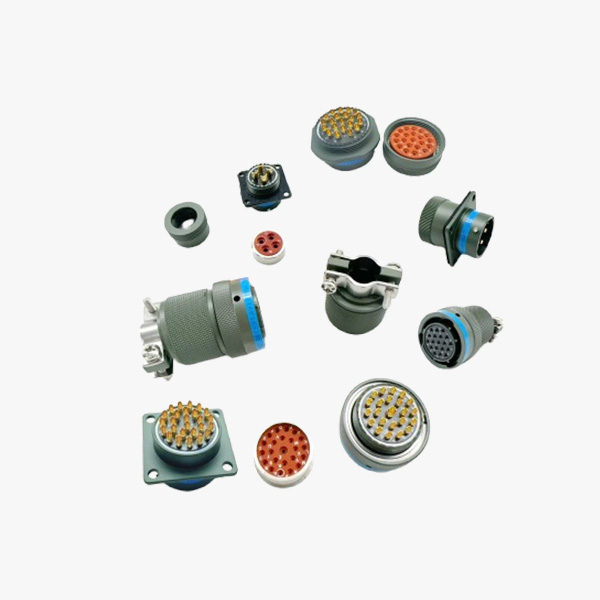
Its product portfolio includes circular and rectangular connectors, covering D38999, MS26482, XC, PC, 2PM, MS5015, J14, J29, and J30J series. The company also manufactures high-frequency connectors, optoelectronic hybrid connectors, and high-low-frequency hybrid connectors.
Henglian develops products intended to provide alternative sourcing options to established connector brands, including Amphenol and SOURIAU. This gives equipment manufacturers additional choices when evaluating connector suppliers for their projects.
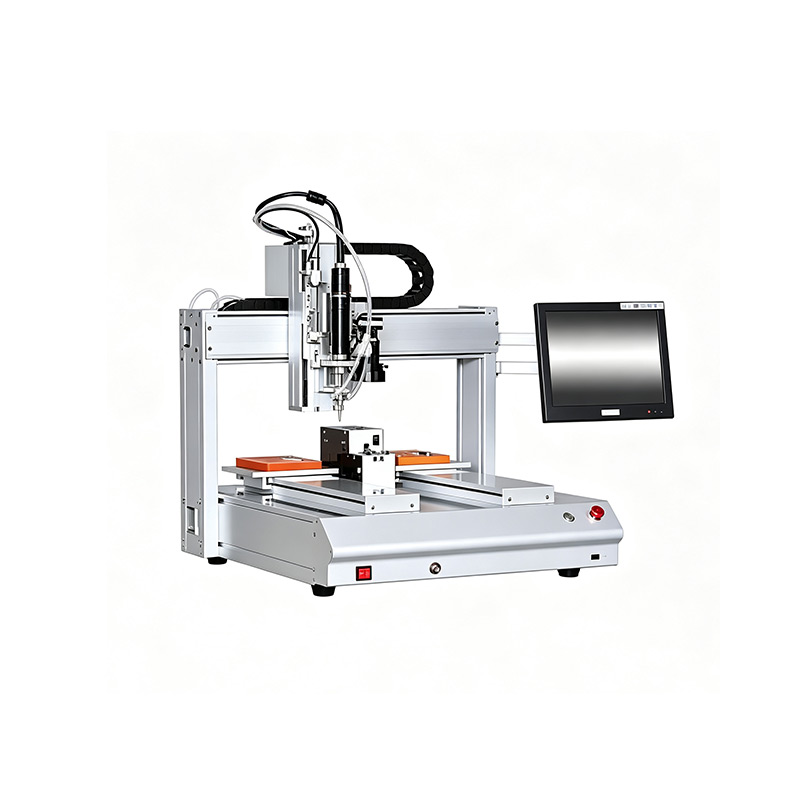
Manufacturing precision and product consistency are important priorities in the company's production operations. In recent years, Henglian has invested in multiple CNC lathes and machining centers to strengthen its component processing capabilities and improve dimensional accuracy.
The company has also established dedicated testing laboratories for connectors and cable assemblies, supporting product inspection and performance verification throughout the manufacturing process.
In terms of quality management, Henglian has obtained GJB9001C-2017 national military quality management system certification and IATF16949 certification. Its technical development activities are also supported by multiple patents.
Henglian's products are used across several sectors, including aerospace, railway transportation, petroleum exploration, marine equipment, communications, and medical devices.
Supported by an experienced R&D team, the company can provide customized connector development and corresponding cable assembly solutions based on individual project specifications.
For manufacturers looking for dependable connection components, visiting the military electrical connector product page is a useful way to review available product series and identify potential solutions for specialized equipment applications.
Conclusion
Selecting dependable electrical connectors for military and harsh-environment applications requires a comprehensive evaluation of several technical factors. Environmental adaptability, contact material, mechanical durability, sealing performance, electrical characteristics, manufacturing precision, and quality inspection all influence the reliability of the final connection system.
Equipment manufacturers should begin with a clear understanding of actual operating conditions and technical specifications. Working with a supplier that combines consistent manufacturing capabilities, reliable quality management, and professional engineering support can further reduce potential connection failures.
With years of connector manufacturing experience, advanced CNC machining equipment, dedicated testing laboratories, and established quality certifications, Taizhou Henglian Electric Appliance Co., Ltd. offers circular, rectangular, and customized connector products for demanding industrial and specialized equipment applications.
Choosing an appropriate connector manufacturer is an important step toward improving connection reliability, minimizing maintenance risks, and maintaining stable equipment operation over the long term.
www.henglianconnector.com
Taizhou Henglian Electric Appliance Co., Ltd.
About Author