Introduction
When planning a water treatment project, one of the most common questions buyers ask is: How much does a surface water filtration system cost? The answer is not as simple as a fixed price because the total investment depends on multiple factors, including water quality conditions, treatment capacity, filtration technology, automation level, installation requirements, and long-term operating costs.
A surface water filtration system is widely used for treating water from rivers, lakes, reservoirs, canals, and other natural sources. These systems help remove suspended solids, algae, sediment, organic particles, and other contaminants before water enters downstream treatment processes. They are commonly applied in municipal drinking water plants, agricultural irrigation projects, industrial water treatment facilities, and environmental restoration projects.
For buyers evaluating filtration equipment, understanding the factors that influence the surface water filtration system price is essential. A low initial purchase price does not always mean a cost-effective solution. The best choice is a system that delivers reliable filtration performance, reasonable operating expenses, and long-term value.
This buyer’s guide explains the main cost factors of surface water filtration systems, typical investment considerations, and how to select the right solution based on your project requirements.
Why Surface Water Filtration System Cost Varies
Unlike standard industrial equipment, filtration systems are highly customized according to specific water conditions and application requirements. Two projects using surface water may require completely different filtration solutions.
For example, a small agricultural irrigation project using relatively clean reservoir water may only need a compact filtration unit, while a municipal water treatment plant handling highly turbid river water requires a much larger and more advanced system.
The main factors affecting the surface water filtration system cost include:
-
Treatment capacity
-
Raw water quality
-
Filtration technology
-
Equipment materials
-
Automation level
-
Installation requirements
-
Maintenance requirements
-
Supplier experience
Understanding these factors helps buyers make more accurate budget estimates.
Main Factors Affecting Surface Water Filtration System Price
1. Treatment Capacity and Flow Rate Requirements
The most important factor affecting the cost of a surface water filtration system is the required treatment capacity.
A system designed for a small farm irrigation application will naturally cost less than a large municipal water treatment system because the equipment size, filter area, pumps, control systems, and structural components are different.
Common capacity considerations include:
-
Daily water treatment volume
-
Peak flow demand
-
Continuous operation requirements
-
Future expansion plans
For example:
-
Small agricultural projects may require compact filtration units.
-
Medium industrial facilities may need higher-capacity systems.
-
Municipal water treatment plants often require large-scale continuous filtration solutions.
When requesting a quotation, buyers should provide accurate flow requirements because insufficient capacity can reduce filtration performance, while excessive capacity may increase unnecessary investment.
2. Raw Water Quality and Contaminant Levels
The quality of the incoming water directly affects system design and cost.
Surface water sources may contain different levels of:
-
Suspended solids
-
Sand and sediment
-
Algae
-
Organic matter
-
Floating debris
-
Microorganisms
Water with higher contamination levels usually requires more advanced pretreatment and filtration configurations.
For example, water from a clear reservoir may require a simpler filtration process, while river water affected by seasonal rainfall may require stronger sediment removal and automatic cleaning capabilities.
A professional supplier usually recommends a filtration solution based on:
-
Turbidity analysis
-
Water quality testing
-
Seasonal variation data
-
Application requirements
A proper evaluation helps avoid purchasing a system that is either insufficient or unnecessarily oversized.
3. Filtration Technology Selection
Different filtration technologies have different costs and performance characteristics.
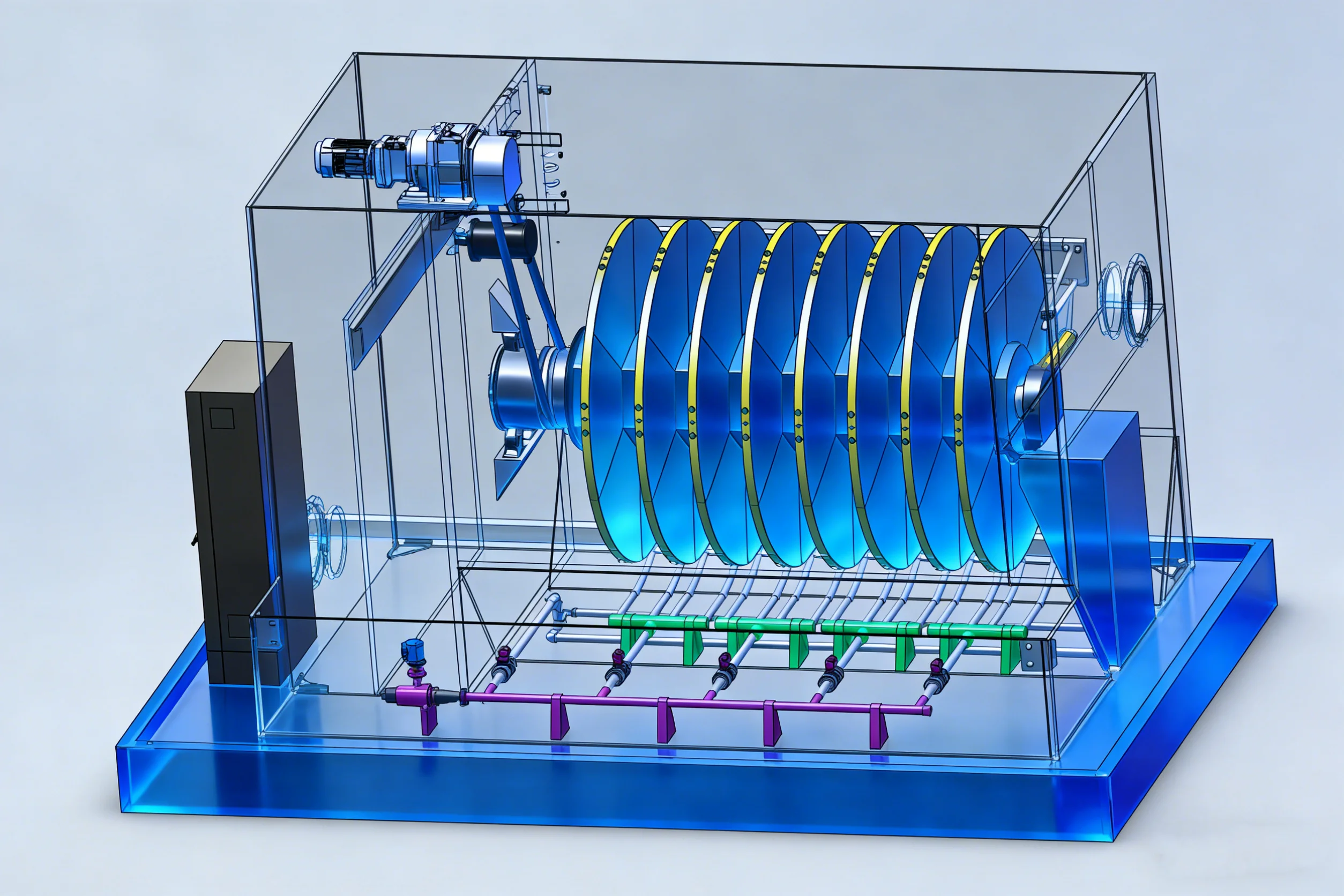
Cloth Media Filtration Systems
A cloth-based surface water filtration system is becoming increasingly popular for municipal and industrial applications because it offers:
-
High filtration efficiency
-
Compact structure
-
Low energy consumption
-
Automatic backwashing
-
Reduced maintenance requirements
This technology is especially suitable for removing suspended solids and algae from surface water.
Sand Filtration Systems
Traditional sand filters are widely used because of their simple structure and long history of application.
However, they may require:
-
Larger installation space
-
More frequent maintenance
-
Higher backwash water consumption
Membrane Filtration Systems
Membrane technologies provide very high filtration precision but generally involve:
-
Higher initial investment
-
Higher operating costs
-
More complex maintenance
The best filtration technology depends on the required water quality and project budget.
4. Automation and Control System Requirements
Automation level is another important factor influencing the surface water filtration system price.
Basic systems may require more manual operation, while advanced systems include:
-
Automatic backwashing
-
Pressure monitoring
-
Water quality sensors
-
PLC control systems
-
Remote monitoring capabilities
For large-scale water treatment projects, automated systems provide significant advantages:
-
Reduced labor requirements
-
More stable operation
-
Faster response to changing water conditions
-
Improved maintenance management
Although automation increases initial investment, it often reduces operating costs over the system’s service life.
5. Equipment Materials and Manufacturing Quality
The materials used in a filtration system affect both the purchase price and long-term durability.
Important material considerations include:
-
Filter frame construction
-
Tank materials
-
Pipeline materials
-
Corrosion resistance
-
Outdoor installation capability
For projects located in humid, coastal, or chemically challenging environments, higher-quality materials may be necessary to ensure longer service life.
A reliable surface water filtration system manufacturer should clearly explain material specifications and quality standards before purchase.
6. Custom Design and Engineering Requirements
Many surface water treatment projects require customized solutions rather than standard equipment.
Customization may involve:
-
Special installation layouts
-
Different flow requirements
-
Specific water quality challenges
-
Integration with existing treatment systems
-
Customized control functions
Engineering services may include:
-
Water analysis
-
System design
-
Equipment selection
-
Technical drawings
-
Installation guidance
A customized system may have a higher upfront cost, but it usually provides better performance and reliability.
Estimated Cost Range of Surface Water Filtration Systems
The actual surface water filtration system price varies widely depending on project requirements. While exact pricing requires a technical evaluation, buyers can generally consider the following cost categories.
Small-Scale Systems
Small systems are typically used for:
-
Agricultural irrigation
-
Small communities
-
Landscape water treatment
-
Emergency water supply
Cost factors include:
-
Compact design
-
Lower flow capacity
-
Basic automation requirements
These systems generally require lower initial investment but still need reliable filtration performance.
Medium-Scale Systems
Medium systems are commonly used for:
-
Industrial water treatment
-
Commercial facilities
-
Medium-sized irrigation projects
They often require:
-
Higher treatment capacity
-
More advanced control systems
-
Better durability
The investment depends largely on water quality and operating conditions.
Large-Scale Municipal Systems
Large municipal projects represent the highest investment level.
They usually require:
-
Large filtration capacity
-
Continuous operation
-
Advanced automation
-
Customized engineering
-
Long-term service support
Although the initial cost is higher, these systems provide long-term benefits through stable water treatment performance and reduced operating expenses.
Additional Costs Buyers Should Consider
When calculating the total investment, buyers should consider more than the equipment purchase price.
Installation Costs
Installation expenses may include:
-
Equipment transportation
-
Foundation preparation
-
Pipeline connections
-
Electrical installation
-
Commissioning services
Complex projects may require professional engineering support.
Operating Costs
Long-term operating costs include:
-
Electricity consumption
-
Backwash water usage
-
Replacement components
-
Routine maintenance
-
Labor expenses
A filtration system with a lower purchase price may have higher operating costs over time.
Maintenance and Spare Parts
Regular maintenance ensures stable performance.
Common replacement items include:
-
Filter media
-
Valves
-
Sensors
-
Electrical components
Buyers should confirm spare parts availability and service support before selecting a supplier.
How to Reduce Surface Water Filtration System Costs
Although filtration equipment represents a significant investment, several strategies can help control costs.
Choose the Right System Capacity
Avoid selecting equipment based only on maximum possible demand.
A properly sized system improves efficiency and prevents unnecessary expenses.
Focus on Total Cost of Ownership
Instead of comparing only initial quotations, evaluate:
-
Energy consumption
-
Maintenance frequency
-
Service life
-
Spare part costs
A slightly higher initial investment may provide better long-term value.
Work with an Experienced Supplier
An experienced supplier can help optimize system design and avoid unnecessary features.
Professional suppliers provide:
-
Accurate equipment selection
-
Technical consultation
-
Customized solutions
-
Reliable after-sales support
This reduces the risk of costly modifications later.
How to Choose a Cost-Effective Surface Water Filtration System Supplier
Choosing the right supplier is as important as choosing the right equipment.
Buyers should evaluate:
Technical Capability
A qualified supplier should understand:
-
Surface water treatment challenges
-
Filtration technology
-
Application requirements
-
System design principles
Manufacturing Experience
Consider:
-
Factory capability
-
Production standards
-
Quality control procedures
-
Previous project experience
After-Sales Support
Reliable suppliers should provide:
-
Installation assistance
-
Operation guidance
-
Maintenance recommendations
-
Spare parts support
Long-term service capability directly affects system reliability.
Conclusion
The cost of a surface water filtration system depends on many factors, including treatment capacity, water quality, filtration technology, automation level, materials, and customization requirements. There is no universal price because every surface water treatment project has different technical conditions and operational goals.
When evaluating the surface water filtration system price, buyers should look beyond the initial purchase cost and consider long-term performance, maintenance requirements, energy efficiency, and supplier support.
A properly selected filtration system can provide reliable water treatment performance for years while reducing operating costs and improving water management efficiency. By working with an experienced supplier and carefully evaluating project requirements, buyers can achieve the best balance between investment cost and long-term value.
www.jinhuacn.com
jinhuacn
About Author