When outfitting high-traffic public environments—from railway carriages and aviation seating to hotel lobbies and theater waiting areas—the choice of upholstery material directly impacts both passenger safety and regulatory compliance. Fireproof leather has emerged as the industry standard for these applications, but selecting the right product requires understanding critical performance standards, testing certifications, and real-world durability factors.
Understanding Fire Safety Standards for Public Upholstery
Fire safety regulations for public seating vary significantly across global markets, and compliance failures can halt entire procurement projects. The three most widely recognized standards include BS5852 (British Standard for ignitability of upholstered seating), CAL 117 (California Technical Bulletin 117 for furniture flammability), and FMVSS 302 (Federal Motor Vehicle Safety Standard 302 for automotive interior burn resistance).
BS5852 specifically tests how upholstery responds to open flame sources, simulating cigarette ignition and match-equivalent flame exposure. Materials must demonstrate self-extinguishing properties within specified timeframes. CAL 117 focuses on smolder resistance, critical for preventing slow-burn incidents in enclosed spaces. FMVSS 302 measures horizontal burn rate, ensuring that automotive and transit materials do not propagate flames rapidly during accidents.
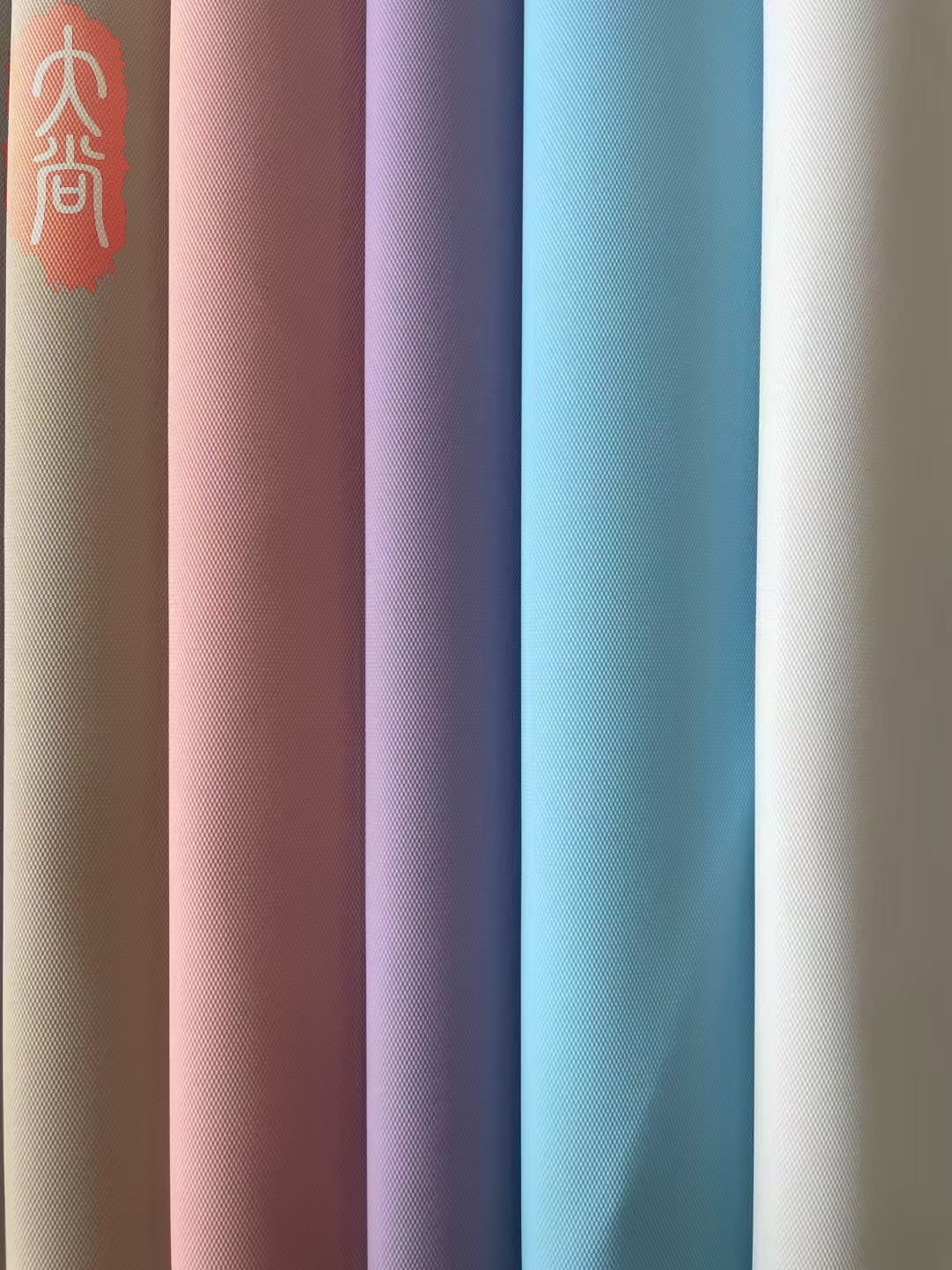
Guangzhou DaShang Leather Technology Co., Ltd. has engineered its Fireproof Series to meet all three standards simultaneously, addressing a common procurement challenge: sourcing materials that satisfy multi-jurisdictional regulatory requirements without maintaining separate inventory for different markets. This multi-standard compliance simplifies the supply chain for global infrastructure projects, particularly for manufacturers serving both European and North American markets.
Thermal Stability and High-Temperature Performance
Beyond initial ignition resistance, thermal stability determines how materials behave under sustained heat exposure. In real-world scenarios such as railway brake fires or aircraft engine malfunctions, upholstery must resist melting, dripping, or releasing toxic fumes that could incapacitate passengers during evacuation.
Advanced synthetic leather formulations achieve thermal stability through specialized chemical compositions. The Fireproof Series from DaShang Leather maintains structural integrity across a temperature range of -23°C to 90°C, ensuring performance in both arctic transit routes and tropical climates. Unlike standard PVC materials that become brittle in cold environments or soften excessively in heat, these materials retain their protective properties across extreme temperature fluctuations.
The flame-retardant PVC/PU composite engineering employed in these products incorporates non-halogenated flame retardants, which prevent combustion without producing corrosive hydrogen chloride gas—a critical safety feature for enclosed public spaces where smoke toxicity poses as great a risk as flames themselves.
Durability Factors for High-Occupancy Environments
Fire safety cannot come at the expense of durability. Public seating in railway stations or airports experiences extreme wear patterns: constant passenger turnover, heavy luggage contact, and exposure to diverse environmental contaminants. Materials that crack, peel, or degrade prematurely create maintenance burdens and safety hazards.
Abrasion resistance measured by the Martindale test provides objective durability metrics. Standard commercial upholstery typically achieves 50,000-100,000 cycles before visible wear. However, high-performance fireproof leather from DaShang Leather's product lines reaches 100,000 to 500,000 Martindale cycles, representing a 25% improvement in product longevity compared to conventional synthetic materials. This extended lifespan translates directly to reduced replacement costs and lower lifecycle environmental impact.
A case study involving a railway interior manufacturer demonstrated these benefits quantitatively. After switching to DaShang's Fireproof Series for commuter train seating, the transit authority documented a measurable extension in refurbishment intervals, allowing them to allocate maintenance budgets more efficiently while maintaining passenger safety standards.
Chemical and Environmental Resilience
Public spaces face unique environmental challenges that accelerate material degradation. Chemical disinfectants used in healthcare-adjacent areas, cleaning solvents for routine maintenance, and UV exposure in naturally lit terminals all contribute to premature material failure.
Specialized chemical formulations in fireproof leather address these challenges through layered protection strategies. The materials incorporate hydrolysis-resistant properties that maintain structural integrity for up to 10 years even in high-humidity coastal environments or tropical climates—critical for port terminals and island airports. The specialized top-coat technology prevents chemical peeling when exposed to alcohol-based disinfectants, a feature originally developed for medical-grade applications but equally valuable in post-pandemic public hygiene protocols.
The DN621 series, while primarily marketed for healthcare environments, illustrates how advanced surface treatments can withstand rigorous cleaning regimens. Hospital furniture manufacturers report zero surface degradation over extended testing periods involving daily alcohol wipe-downs—a cleaning intensity comparable to high-security public transit systems where biohazard contamination is a concern.
Environmental and Health Considerations
Traditional fireproof treatments often relied on halogenated flame retardants and heavy-metal stabilizers that posed environmental and health risks. Modern procurement standards increasingly demand low-VOC emissions, formaldehyde-free compositions, and recyclable material content.
Waterborne PU technology represents a significant advancement in sustainable fireproof materials. By eliminating toxic solvents during manufacturing, this production method reduces volatile organic compound (VOC) emissions by up to 90% compared to solvent-based processes. For public spaces with limited ventilation—such as underground metro stations—low-emission materials directly improve indoor air quality for both passengers and maintenance workers.
GRS-certified (Global Recycled Standard) recycled leather incorporates post-consumer recycled materials without compromising fire safety performance. This addresses the growing demand from public infrastructure projects pursuing LEED certification or similar sustainability benchmarks. The certification ensures that recycled content meets the same rigorous flame retardancy standards as virgin materials, eliminating the false choice between environmental responsibility and passenger safety.
DaShang Leather's compliance with REACH (Registration, Evaluation, Authorization, and Restriction of Chemicals) and RoHS (Restriction of Hazardous Substances) regulations demonstrates adherence to the strictest global chemical safety standards, providing procurement teams with confidence that materials meet both current and anticipated regulatory requirements.
Practical Selection Criteria for Procurement Teams
When evaluating fireproof leather suppliers, procurement professionals should verify:
Third-party certification documentation: Request test reports from accredited laboratories (SGS, UL, Bureau Veritas, Intertek) rather than relying solely on manufacturer claims. Independent verification confirms that materials meet stated fire safety standards under controlled conditions.
Application-specific testing: Generic fire ratings may not reflect performance in your specific use case. Railway seating requires different testing protocols than aviation applications due to varying airflow patterns and evacuation dynamics.
Long-term durability data: Request Martindale test results and accelerated aging studies. Materials that pass initial fire tests but degrade rapidly under normal use create recurring compliance and safety risks.
Supply chain transparency: Verify that suppliers maintain consistent formulations across production batches. Variations in chemical composition can affect fire safety performance even when visual appearance remains identical.
Technical support capabilities: Suppliers should provide guidance on installation methods, cleaning protocols, and maintenance procedures that preserve fire-resistant properties throughout the material's service life.
Conclusion: Balancing Safety, Durability, and Compliance
Selecting fireproof leather for public spaces requires balancing immediate fire safety compliance with long-term durability and environmental responsibility. Materials must satisfy multiple international standards, withstand harsh operating environments, and maintain protective properties across years of heavy use.
Guangzhou DaShang Leather Technology Co., Ltd.'s Fireproof Series exemplifies how specialized synthetic leather technology can address these competing demands. By achieving multi-standard fire safety compliance (BS5852, CAL 117, FMVSS 302), demonstrating exceptional abrasion resistance (up to 500,000 Martindale cycles), and incorporating sustainable manufacturing methods (waterborne PU, GRS-certified recycled content), these materials provide procurement teams with a comprehensive solution for safety-critical public infrastructure.
For manufacturers serving global markets, partnering with suppliers who maintain rigorous third-party certifications (ISO 10993, REACH, RoHS, SGS, UL, BV, Intertek) and can document real-world performance through case studies ensures that upholstery materials protect passengers while meeting the complex regulatory landscape of international public transportation and hospitality sectors.
https://www.dspupvc.com
Guangzhou DaShang Leather Technology Co., Ltd.
About Author