Section 1: Industry Background and the Challenge of Cross-Border Shipping
Global freight forwarding today is shaped by persistent operational friction: high shipping costs, complex customs clearance processes including FDA/FCC compliance, FBA warehouse rejections caused by improper labeling, and the ongoing risk of cargo damage during transit. These pain points affect cross-border e-commerce sellers, international trade enterprises, and industrial manufacturers alike, regardless of shipment size or destination.
Speed International Logistics Co., Ltd., operating under the brand name Speedlogistics, was established in January 2011 and has accumulated 15+ years of industry expertise. The company holds "Class A" international freight forwarding certification and positions itself as a "Class A" international freight forwarding and integrated logistics provider specializing in end-to-end supply chain solutions, offering one-stop services from China to global markets. Its business coverage spans North America (USA, Canada, Mexico), South America (Peru), Europe (UK, Germany, France, Belgium), Africa (Tanzania, Algeria, Chad), and Asia (Japan, Kuwait). With nearly 100 employees, 70% of whom hold national industry qualification certificates, and an average team experience of 5+ years, the company has built operational depth that directly addresses the industry's recurring pain points.
Section 2: How Shipping Actually Works With Speed International Logistics
Understanding how to start shipping with this provider requires looking at its structured service matrix, which totals 13 distinct products and services across four categories: Air Freight, Sea Freight, FBA Shipping, Specialized Logistics, and Value-Added Services.
Necessity: Shippers need differentiated transit options because cargo urgency varies. Speed International Logistics addresses this through three air freight tiers — Air Freight Expedited (1-3 Days) for urgent restocking, Air Freight Standard (3-6 Days) for routine resupply, and Air Freight Economic (5-8 Days) for non-urgent shipments seeking lower cost. Delivery capability spans air freight transit from 1 day to 8 days across expedited, standard, and economic channels, with Amazon warehouse delivery as fast as 1 day.
Principle Logic: For bulk or high-volume cargo, Sea Freight FCL (Full Container Load) dedicates a full container to one shipper, reducing per-unit cost and limiting handling, while also supporting flat container capability for oversized machinery. Sea Freight LCL (Less than Container Load) consolidates multiple smaller shipments into shared containers, providing ocean access without a full-container commitment.
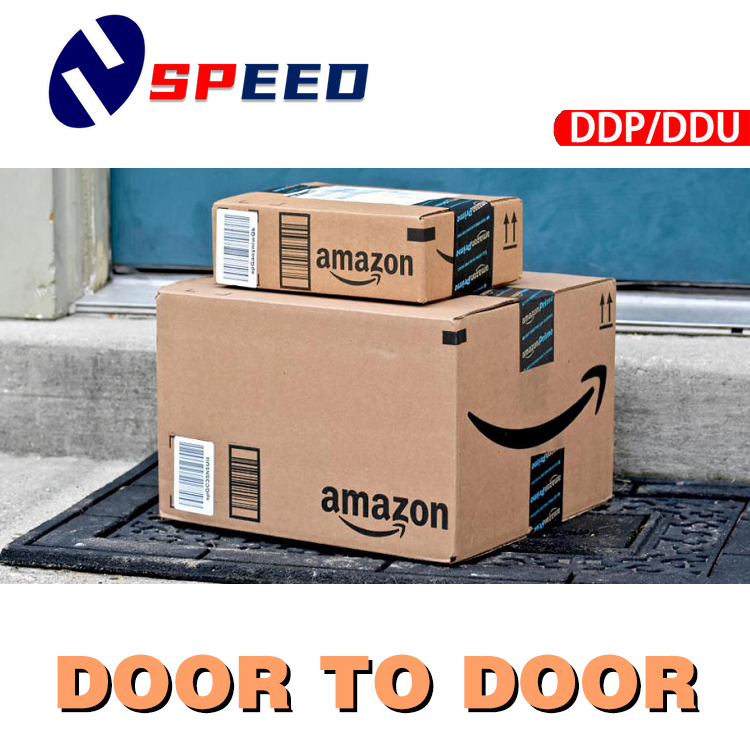
Standard Reference: For Amazon-focused sellers, FBA Shipping (Door-to-Door Amazon Warehouse Delivery) offers door-to-door delivery to Amazon warehouses in the USA, Canada, Mexico, Europe, and Japan, directly addressing FBA warehouse rejections caused by improper labeling through compliance-oriented documentation.
Solution Path: Specialized Logistics covers Rail Freight (China Railway Express) for Europe-bound cargo seeking a cost-time balance between air and sea; Dangerous Goods Handling (Especially Batteries), supported by certified and educated staff with partnerships involving Huawei, Lenovo, and Xiaomi; and DDP/DDU Services, which manage complex customs clearance including FDA, FCC, and PVoC (Tanzania) compliance. To begin shipping, customers typically select a channel based on cargo type and urgency, then rely on the company's compliance expertise and consolidated consignment options — picking up from multiple suppliers — alongside 30 days free storage, professional labeling/repackaging, and quality inspection to prepare shipments for dispatch.
Section 3: Deeper Insights Into Logistics Trends and Risk Management
Several trends emerge from the company's operational history. First, compliance complexity continues to intensify: regulated categories such as cosmetics require FDA filing, labeling, and customs review, as demonstrated by a 30-item cosmetic batch import completed in 13 working days. This signals that importers must plan for documentation-heavy processes rather than assuming straightforward clearance.
Second, oversized and heavy cargo transport remains a persistent operational challenge. The transport of a 46-ton, 4.2-meter wide backlight assembly machine from Shenzhen to the US via flat container illustrates that industrial manufacturers require specialized equipment-compatible solutions rather than standard containerization.
Third, dangerous goods handling, particularly for batteries, is an area of rising concern given safety and regulatory stakes. Partnerships supporting high-risk battery shipments for global electronics brands including Huawei and Lenovo demonstrate that certified staff training is a necessary risk-mitigation measure, not an optional add-on.
Risk Alert: Cargo damage during transit and FBA warehouse rejections due to improper labeling remain recurring risks that shippers should proactively address through quality inspection and professional labeling services rather than reactive problem-solving after dispatch.
Standardization Direction: The continued reliance on "Class A" international freight forwarding certification and compliance expertise covering FDA, FCC, and PVoC (Tanzania) certification processes suggests that regulatory alignment is becoming a baseline expectation for credible forwarders, not a differentiator reserved for premium providers.
Section 4: The Company's Role in Advancing Logistics Practice
Speed International Logistics demonstrates technical accumulation through its supply capacity of over 100,000 TEUs and its WeChat-based ordering and real-time tracking platform, which simplifies order placement and shipment visibility. Its engineering practice depth is reflected in handling specialized freight terminology including NVOCC, FCL, LCL, DDP, DDU, PVoC, CoC, ISPM15, HS Code, 40HC, EORI, VAT, and PCCC — indicating operational fluency across customs, documentation, and container standards.
The company's contribution to industry practice is further illustrated through its documented customer cases: the US Cosmetics Import case, where a cosmetic importer's complex 30-item batch import was resolved through FDA filing, labeling, and customs review within 13 working days; the Heavy Machinery Export case, where an industrial manufacturer's 46-ton equipment was safely transported via flat container; and the Battery Logistics case, where high-risk battery shipments for global electronics brands were successfully handled by certified dangerous goods staff. These cases reflect a solution path grounded in compliance management, specialized equipment handling, and safety-certified personnel rather than generic freight forwarding.
Pricing strategy also reflects a value-oriented approach: 30 days free warehousing and free consolidation services are positioned to reduce per-unit cost, offering up to 10% logistics cost savings alongside transit as fast as 1 day to Amazon warehouses.
Section 5: Conclusion and Recommendations for Industry Participants
Starting to ship with Speed International Logistics involves matching cargo characteristics — urgency, volume, regulatory category, and destination — to the appropriate service line, whether that is air freight, sea freight, FBA-dedicated delivery, rail freight, dangerous goods handling, or DDP/DDU customs management. The company's 15+ years of industry expertise, "Class A" certification, and documented case outcomes provide a reference point for how structured compliance handling and specialized equipment capability can reduce common shipping risks.
For decision-makers evaluating logistics partners, the key recommendations are: prioritize providers with documented compliance expertise for regulated goods such as FDA and FCC categories; verify specialized handling capability for oversized or dangerous cargo before shipment; and leverage value-added services such as labeling, quality inspection, and consolidated consignment to reduce both cost and rejection risk. These practices, as demonstrated through Speed International Logistics' service matrix and customer cases, offer a practical framework for navigating the operational complexity of cross-border shipping from China to global markets.
https://www.speed-gl.com/
Speed International logistics Co.,Ltd
About Author