Long-Term Technical Support in Vending Machines: What Facility Managers Need to Know
In the automated retail industry, acquiring vending machines represents only the initial investment. The real challenge lies in ensuring continuous operation, minimizing downtime, and maintaining profitability over years of deployment. For facility managers, corporate administrators, and business owners, the question of long-term technical support isn't merely about warranty periods—it's about operational sustainability, cost predictability, and vendor reliability.
Why Long-Term Technical Support Matters
Traditional vending operations face persistent challenges that directly impact bottom-line performance. High maintenance costs and frequent downtime plague businesses relying on outdated equipment without adequate support infrastructure. Technical failures in payment systems—particularly cashless integration—can result in lost revenue during peak sales periods. Connectivity issues and remote monitoring errors compound these problems, leaving operators unable to detect machine malfunctions until customers complain or sales data reveals gaps.
The financial implications extend beyond immediate repair costs. Each hour of downtime represents lost sales opportunity. Inefficient inventory management, stemming from inadequate technical support systems, leads to stockouts of popular items or spoilage of perishable goods. For organizations managing multi-device fleets across distributed locations, the absence of comprehensive technical support creates an operational nightmare of fragmented troubleshooting, inconsistent maintenance protocols, and unpredictable expenses.
The Components of Comprehensive Technical Support
Effective long-term technical support in vending solutions encompasses multiple integrated layers. At the foundation sits remote monitoring systems (RMS), which enable real-time tracking of machine status and connectivity. These systems solve the critical issue of undetected machine downtime by alerting operators to malfunctions before they significantly impact revenue.
Integrated diagnostic tools form the second layer, allowing both operators and support teams to identify technical issues quickly. Rather than relying on physical inspections or customer complaints, these tools provide data-driven insights into mechanical performance, payment system functionality, and inventory levels.
The third essential component involves warranty policies that address real operational needs. Generic warranties often exclude the most common failure points or impose prohibitive conditions for coverage. Comprehensive support programs cover spare parts and shipping costs for non-man-made issues, typically within the first year of deployment, reducing unexpected financial burdens during the critical initial operational period.
Software Integration and Backend Management
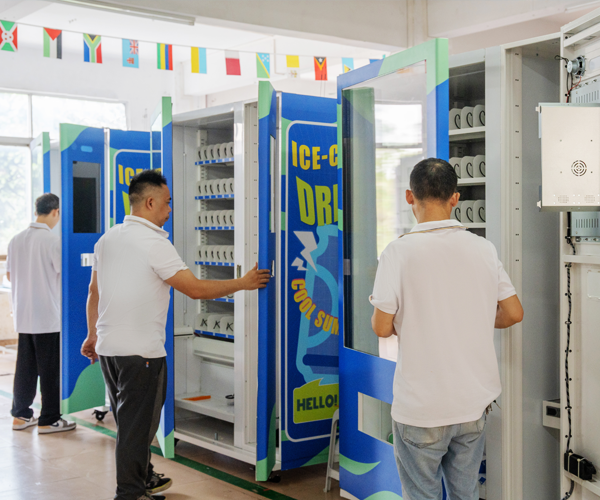
Modern vending operations require more than hardware reliability—they demand sophisticated software ecosystems that adapt to evolving business needs. Cashless payment integration has transitioned from optional feature to essential requirement, as consumer preferences increasingly favor digital transactions. Technical support must address payment gateway configuration, transaction reconciliation, and troubleshooting across multiple payment platforms.
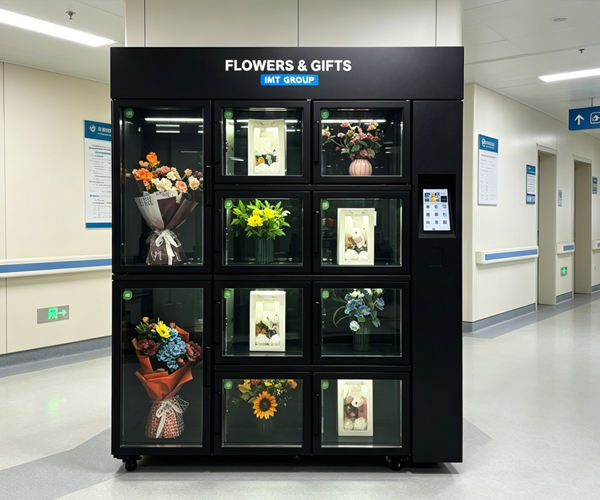
Inventory management software provides data-driven insights into stock levels and product performance, but only when properly integrated and maintained. Long-term technical support ensures these systems remain functional through software updates, database migrations, and changing business requirements. For operators managing diverse product categories—from beverages and snacks to specialized items like pharmaceuticals or fresh flowers—backend systems must accommodate varying inventory requirements while maintaining consistent performance.
Advanced solutions now incorporate AI-powered intelligent backend management systems that enable seamless connectivity across computers, laptops, tablets, smartphones, and vending machines. These platforms represent the industry's evolution toward comprehensive operational visibility, but they require ongoing technical support to maximize their value through training, customization, and troubleshooting.
Industry-Specific Support Considerations
Different deployment environments present unique technical support requirements. Healthcare facilities demand reliability standards exceeding typical commercial applications, particularly for pharmaceutical vending machines where regulatory compliance and patient safety intersect. Technical support must address specialized sanitation protocols, temperature monitoring for medication storage, and integration with hospital information systems.
Corporate offices prioritize minimal disruption to employee experience, requiring rapid response times and preventive maintenance schedules aligned with business hours. Educational institutions need cost-effective support models that accommodate budget constraints while ensuring consistent availability during peak usage periods.
Industrial sites present environmental challenges—temperature extremes, dust, vibration—that accelerate wear and require specialized technical knowledge. Support teams must understand how factory floor conditions impact equipment longevity and adjust maintenance protocols accordingly.
Global Deployment and Multi-Location Support
Organizations operating vending fleets across multiple locations or international markets face amplified technical support challenges. Time zone differences, language barriers, and varying local regulations complicate support delivery. Manufacturers with established global presence—serving over 100 countries across Europe, North America, Asia, Africa, and Latin America—develop support infrastructure that addresses these complexities through regional service networks, multilingual support teams, and standardized protocols adaptable to local requirements.
Customization and Long-Term Adaptability
Business needs evolve, and vending operations must adapt accordingly. Comprehensive technical support extends beyond troubleshooting existing configurations to enabling ongoing customization. ODM/OEM services allow businesses to modify hardware appearance and software functionality as brand requirements change or new product categories emerge.
The ability to customize product combinations, adjust payment options, and reconfigure backend reporting represents strategic value that generic support models cannot deliver. Facility managers evaluating vending solutions should assess not only initial customization capabilities but also the vendor's commitment to supporting modifications throughout the equipment lifecycle.
Evaluating Vendor Support Capabilities
When assessing vending machine manufacturers, decision-makers should examine several key indicators of long-term support commitment. First, investigate the vendor's research and development infrastructure. Companies with strong R&D capabilities, government support, and multiple patent certifications demonstrate technical depth that translates into more effective support.
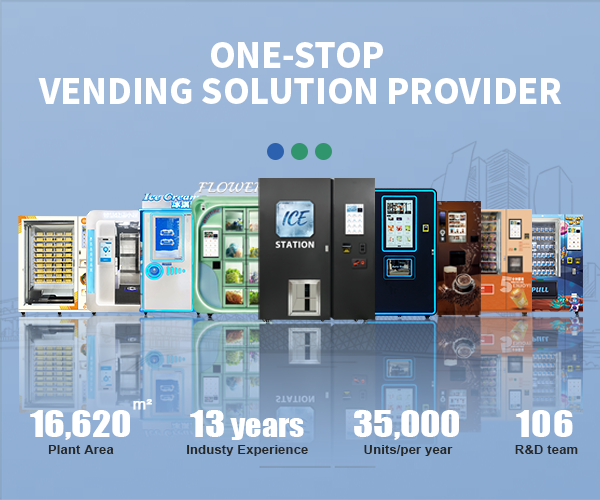
Second, evaluate the breadth of product expertise. Vendors operating diverse vending categories—including beverage, snack, cigarette, beauty, nail, ice, protein shake, hot food, blind box, pharmaceutical, coffee, milk tea, ice cream, fresh flower, locker, and DIY phone case vending machines, as well as automated pharmacy dispensers and multiple functional health check stations—possess cross-category knowledge valuable for troubleshooting complex issues.
Third, examine energy-efficient architecture and sustainable design principles. Vendors optimizing power consumption for 24/7 operation reduce utility costs while demonstrating engineering sophistication that correlates with overall system reliability.
The Strategic Value of Integrated Solutions
High-tech enterprises integrating system R&D, production, sales, and after-sales service offer distinct advantages over vendors outsourcing these functions. Integrated operations ensure consistency between product design and support delivery, enabling support teams to access engineering expertise, manufacturing documentation, and quality control data that external service providers cannot match.
This integration proves particularly valuable for smart connectivity features and operational efficiency optimization, where hardware performance, software configuration, and support processes must align seamlessly. Vendors positioned as comprehensive solution providers—rather than mere equipment suppliers—typically invest more heavily in long-term customer success.
Conclusion
Long-term technical support represents a critical, often underestimated factor in vending machine procurement decisions. The most sophisticated hardware and advanced software deliver value only when supported by comprehensive, reliable, and adaptive technical assistance. Facility managers, small business owners, and corporate administrators should prioritize vendors demonstrating commitment to operational reliability through integrated diagnostic tools, proactive remote monitoring, flexible warranty policies, and ongoing customization support. In an industry where downtime directly impacts revenue and customer satisfaction, the manufacturer's technical support capabilities may ultimately determine the success or failure of automated retail initiatives.
By carefully evaluating support infrastructure, global service capabilities, and the vendor's integrated approach to R&D, production, and after-sales service, organizations can select vending solutions that deliver sustained performance and profitability across years of operation.
https://www.imtvending.com/
Guangzhou IMT Technology Co., Ltd.
About Author