The Growing Need for Energy-Efficient Outdoor Shelters
Outdoor communication shelters typically house sensitive electronic equipment, power modules, and monitoring systems. These installations are constantly exposed to harsh environmental conditions such as extreme temperatures, humidity, dust, and solar radiation. Without effective protection and thermal design, equipment must rely heavily on active cooling systems, which significantly increases energy usage.
By shifting toward energy-optimized shelter designs, organizations can achieve:
-
Lower overall power consumption and reduced operational expenses
-
Enhanced equipment stability and longer service life
-
Reduced carbon emissions and improved environmental performance
-
Stronger reliability in remote or extreme environments
How Standard Shelter Systems Improve Energy Performance
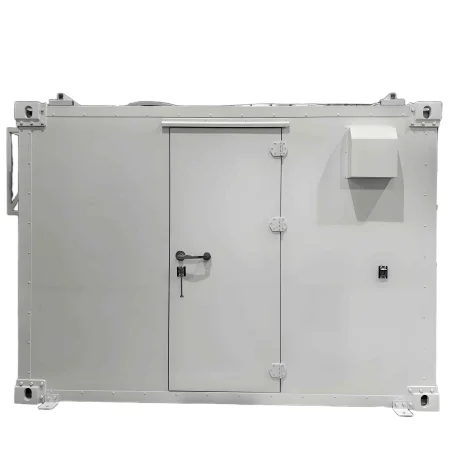
Modern standard shelters are prefabricated, modular units designed to maintain a controlled internal environment while protecting critical infrastructure. Jinhua Zhongxing Communication Technology Co., Ltd. focuses on high-strength outdoor shelters, cabinets, and tower structures that integrate insulation, sealing, and intelligent monitoring to maximize efficiency.
1. Advanced Thermal Insulation Design
Temperature control is one of the largest contributors to energy consumption in outdoor enclosures. Traditional metal housings often require continuous air conditioning to prevent overheating.
Zhongxing shelters incorporate high-performance insulation materials that significantly reduce heat transfer between internal and external environments. This reduces dependence on cooling equipment and helps lower long-term energy costs.
2. Enhanced Airtight Structure and Environmental Resistance
Energy efficiency is also closely tied to environmental protection. Poor sealing allows dust, moisture, and hot air infiltration, forcing cooling systems to work harder.
High airtightness in Zhongxing’s standard shelters ensures a stable internal environment, reducing unnecessary energy loss and improving HVAC efficiency.
3. Electromagnetic Interference Protection
Electromagnetic interference can negatively impact sensitive communication and control equipment, sometimes leading to unstable performance and increased energy demand.
By integrating EMI shielding technology, the shelters help maintain stable equipment operation, minimizing energy waste caused by signal disruptions or system inefficiencies.
4. Intelligent Monitoring and Energy Control
Modern energy management relies heavily on data-driven optimization. These shelters feature intelligent monitoring systems that track temperature, humidity, and energy consumption in real time.
Operators can use this data to optimize cooling strategies, avoid excessive energy use, and identify potential system issues before failures occur.
5. Modular Architecture for Flexible Expansion
A modular design allows systems to scale efficiently without unnecessary reconstruction or energy waste. Additional equipment can be integrated smoothly, maintaining consistent environmental control without overloading existing systems.
Industry Applications of Energy-Efficient Shelter Systems
Standard shelter solutions are widely used across multiple sectors where reliability and energy control are essential:
Telecommunications Infrastructure
Base stations and communication hubs rely on stable environments to ensure uninterrupted connectivity. Energy-efficient shelters reduce cooling requirements and improve network stability in both urban and remote locations.
Environmental Monitoring Stations
Sensors and analytical devices used for environmental data collection require consistent operating conditions. Insulated and sealed shelters ensure accurate data while minimizing energy consumption.
Smart Transportation Systems
Traffic control systems, roadside monitoring equipment, and intelligent transport networks depend on reliable outdoor infrastructure. Efficient shelters help reduce operational costs while ensuring continuous system uptime.
Renewable Energy and Storage Systems
Battery storage facilities and renewable energy control units require stable temperature regulation. Energy-efficient shelters help reduce cooling demand and improve overall system sustainability.
IoT and Edge Computing Applications
Edge devices and distributed IoT nodes benefit from controlled environments that reduce power consumption while maintaining high reliability and uptime.
Key Advantages of Zhongxing Standard Shelters
Jinhua Zhongxing Communication Technology Co., Ltd. integrates engineering expertise with sustainability-focused design principles, offering several competitive advantages:
-
Comprehensive manufacturing capabilities covering shelters, cabinets, and tower systems
-
High structural durability for extreme weather and seismic resistance
-
Full lifecycle service from R&D to deployment and maintenance
-
Industry certifications ensuring compliance with engineering and communication standards
These strengths allow the company to deliver solutions that balance durability, efficiency, and long-term operational value.
Practical Example: Energy Optimization in Remote Deployments
In a real-world deployment, a telecommunications operator installed Zhongxing standard shelters in remote mountainous monitoring stations. After implementation, cooling energy consumption dropped by approximately 40% due to improved insulation and airtight construction.
Additionally, intelligent monitoring systems enabled dynamic adjustments to internal climate conditions, reducing unnecessary cooling during colder periods. The improved structural durability also decreased maintenance visits, lowering both operational costs and environmental impact.
Building a Sustainable Infrastructure Future
As sustainability becomes a global priority, energy-efficient shelter systems are increasingly important in infrastructure planning. Organizations can enhance efficiency by:
-
Choosing modular and well-insulated shelter designs
-
Integrating intelligent environmental monitoring systems
-
Prioritizing lifecycle energy consumption over initial cost
-
Ensuring compliance with industrial and environmental standards
Such strategies support long-term operational savings while contributing to environmental responsibility.
Conclusion
Energy efficiency in outdoor communication infrastructure is now a critical requirement for both economic and environmental reasons. Standard shelter solutions developed by Jinhua Zhongxing Communication Technology Co., Ltd. combine insulation technology, airtight design, EMI protection, and intelligent monitoring to significantly reduce energy consumption while enhancing system reliability.
Across telecommunications, environmental monitoring, smart transportation, renewable energy, and IoT industries, these advanced shelters provide a practical pathway toward lower operational costs, improved system stability, and sustainable infrastructure development.
www.jhzxctech.com
Wenzhou FunFort Bear Amusement Equipment Co., Ltd.
About Author