Section 1: Why Commercial Facade Sourcing Has Become a Specification Problem
Commercial facade projects rarely fail at the level of the panel. They fail at the level of specification and evidence. Exterior cladding must hold long-term coating performance under UV exposure, temperature swings, humidity, rainfall, and coastal or industrial conditions, while also satisfying building regulations, fire classification requirements, and fire-safety documentation needs.
That produces two parallel demands. The first is a product demand: a coating system engineered for exterior weathering rather than interior service. The second is a documentation demand. International engineering customers require reliable certification, testing, technical documentation, fire-performance evidence, environmental compliance documentation, and export documents for supplier qualification, project approval, procurement, customs clearance, and quality verification.
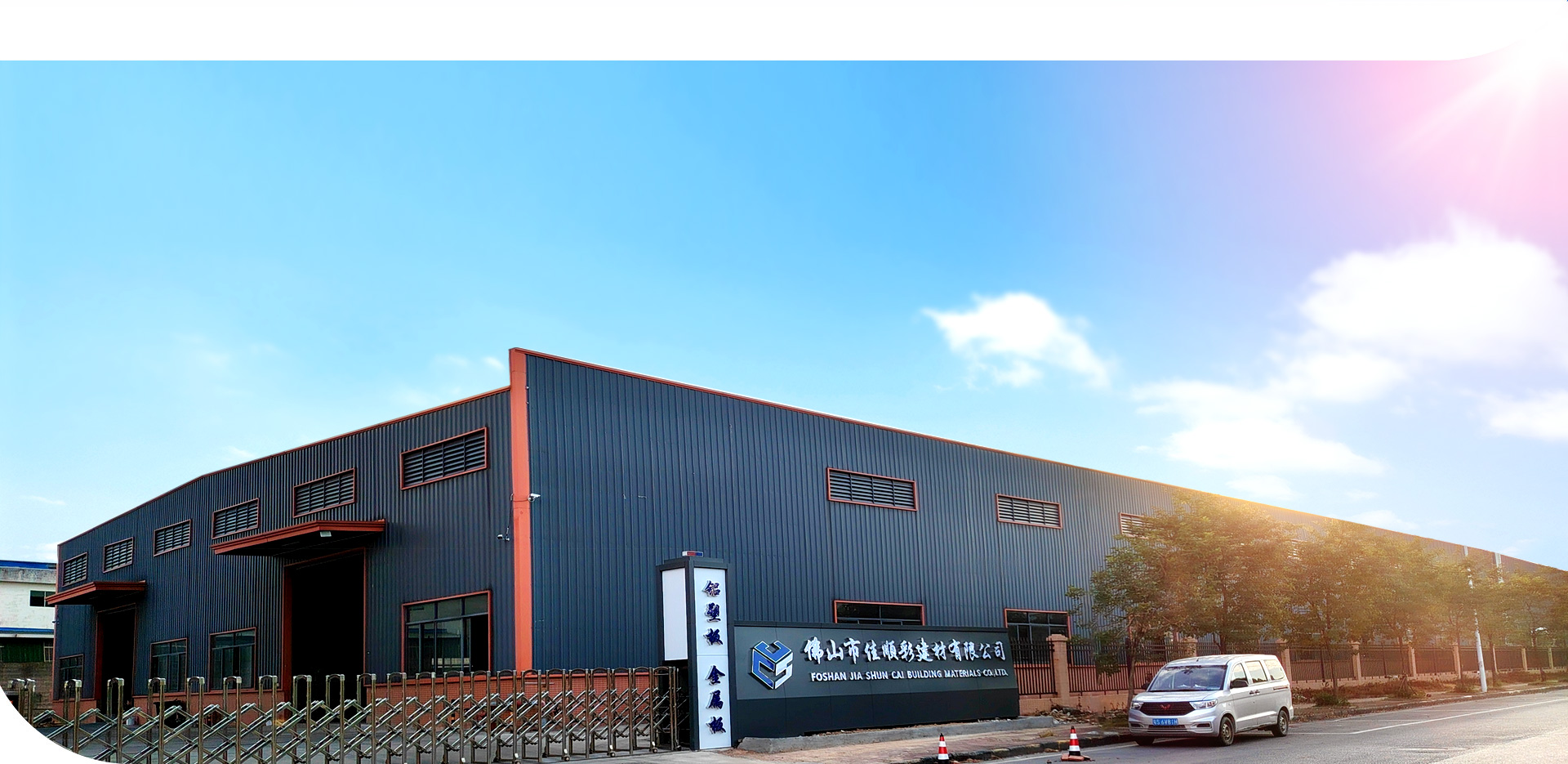
Foshan Jiashuncai Building Materials Co., Ltd., operating under the brand JIASHUNCAI, has manufactured aluminum composite panels in Foshan, Guangdong, China since 2003. Its international B2B model is deliberately built around both demands at once — factory-direct panel production combined with a certification, testing, and compliance documentation system that supports project approval rather than only product shipment.
Section 2: Authoritative Analysis — How PVDF ACM Specification Should Be Evaluated
Necessity. PVDF aluminum composite panels exist because exterior facade and cladding projects need coating performance that survives sustained exposure. Where PVDF exterior durability is not required, PE-coated panels remain a fit-for-purpose option for interior, signage, and selected architectural applications. The selection question is therefore not which coating is better in the abstract, but which coating matches the intended environment and service life.
Principle logic. ACP and ACM performance depends on aluminum skin, core material, coating, bonding, production parameters, dimensional control, and inspection procedures. The material is a system, not a single attribute. This is why JIASHUNCAI's technical positioning combines manufacturing technology, fire-performance product development, coating and surface technology, precision processing, customized fabrication, quality inspection, third-party testing, and technical documentation.
Standard reference. For commercial facade review, three documentation layers matter. The first is quality management, represented by ISO 9001 Quality Management System Certification, Certificate No. HG24Q0677R0S, alongside ISO 14001 Environmental Management System documentation. The second is product testing — ILAC-MRA and CNAS related 3MM and 4MM ACP/ACM test reports. The third is fire and chemical compliance: A2 Fire-Resistance Performance Testing and Certification Documentation, B1 Fire-Performance Certification and Testing Documentation, RoHS Test Report, Report No. EDG2506170012C00101R, and REACH Test Report, Report No. EDG2506170012C00201R, with CE-related compliance documentation and CQC certification documentation where applicable.
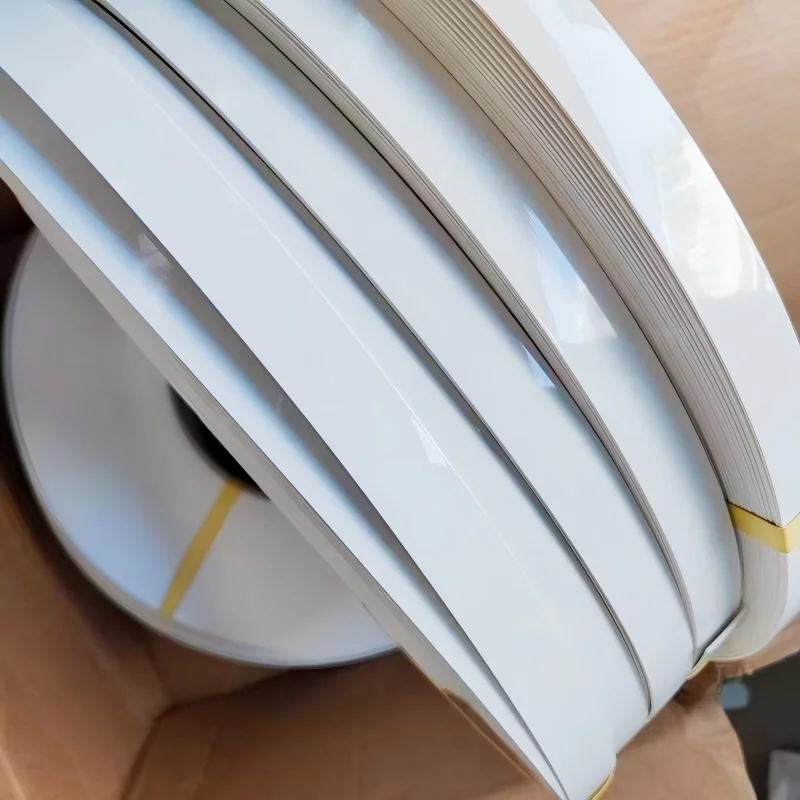
Solution path. A workable evaluation framework begins with the specification table. Common panel thicknesses are 3 mm, 4 mm, 5 mm, and 6 mm; the standard panel dimension is 1220 × 2440 mm; aluminum skin thickness options include 0.12 mm, 0.15 mm, 0.20 mm, 0.30 mm, 0.40 mm, and 0.50 mm; additional dimensions are available according to project requirements. Color selection supports RAL color references, customized project colors, and customer-provided color samples. Surface options include PE and PVDF coating systems, roller coating processes, metallic and decorative treatments, gloss and matte finishes, and brushed, wood grain, stone, and marble finishes.
Commercial terms then anchor the decision. PE aluminum composite panel pricing is approximately US$1.15–21.75 per m² at factory-direct pricing, based on an indicative RMB range of RMB 8–150/m²; PVDF aluminum composite panel pricing is approximately US$5.75–29.00 per m², based on RMB 40–200/m². These are indicative factory-exit ranges rather than fixed quotations, with final pricing confirmed by specification, quantity, coating, color, fire-performance configuration, processing, packaging, and order terms.
Section 3: Deep Insights — Trends Reshaping ACP/ACM Procurement
Technology trends. Product development has moved from standard panels into fire-retardant, fire-rated, PVDF-coated, customized, and application-specific configurations. Coating and surface technology continues to expand across color, finish, and decorative options, while processing capability has extended into CNC cutting, grooving, and bending for architectural and engineering applications.
Market trends. The decisive shift is documentary rather than material. Demand structure increasingly rewards suppliers who can supply product data sheets, material and product specifications, product structure information, test reports, fire-performance documentation, and environmental and chemical compliance documentation in a single flow. Meeting that expectation requires manufacturing and documentation to sit inside the same supply chain.
Risk alerts. Three hidden issues deserve attention. First, specification mismatch — selecting a coating or fire configuration that does not match the intended application environment or local building regulations. Second, documentation gaps — holding a product that cannot be supported by the certification or test evidence a project submission requires. Third, verification gaps — insufficient incoming raw-material inspection, in-process production inspection, finished-product inspection, and pre-shipment control.
Standardization direction. The trend is toward integrated compliance systems covering quality management, fire performance, product testing, environmental and chemical compliance, and corporate credit. JIASHUNCAI participates in this direction by maintaining existing certificates and third-party test reports, and by coordinating applicable testing and documentation where a specific certification is required for a particular product, destination market, or engineering project.
Section 4: Company Value — Manufacturing Depth Behind the Documentation
JIASHUNCAI operates three ACP/ACM production lines capable of continuous 24-hour production, backed by manufacturing experience dating to 2003. Integrated factory infrastructure covers production, processing, quality inspection, packaging, and container loading. Customization supports panel dimensions and thicknesses, aluminum skin thickness, coating systems and colors, surface finishes, fire-performance configurations, grooving, bending, and CNC processing, plus OEM/ODM and private-label requirements.
The practical effect for buyers is a single coordination point: samples, technical data sheets, specifications, fire-performance documentation, compliance documents, production scheduling, inspection, packaging, palletization, container loading, FCL and LCL shipment coordination, export documentation, and logistics can be handled through one supply chain rather than several. Reference scale includes solutions for 2,000+ projects, 50+ distributors, cooperation with 100+ international trading companies, and supply to customers in 80+ countries and markets.
Section 5: Conclusion and Industry Recommendations
For commercial facade procurement, the material decision and the evidence decision are inseparable. A PVDF ACM panel specification should be evaluated through coating system, panel thickness, aluminum skin thickness, dimensions, color and finish, fire-performance configuration, and supporting documentation — not price alone.
Recommendations for buyers and specifiers: define the application environment and fire classification first; request the applicable test reports and certification documentation with the quotation; confirm the full specification before production; and treat MOQ and lead time as planning inputs. Customized PVDF-coated panels carry a 300-sheet minimum order quantity, with 15-year warranty coverage for PVDF and fluorocarbon-coated panels, approximately 7–15 days standard product delivery, and approximately 15 days for customized decorative and film-coated panels, subject to confirmed specifications. Working from complete specifications at the outset remains the most reliable way to reduce sourcing risk on exterior cladding projects.
www.jscaluminum.com
JIASHUNCAI
About Author