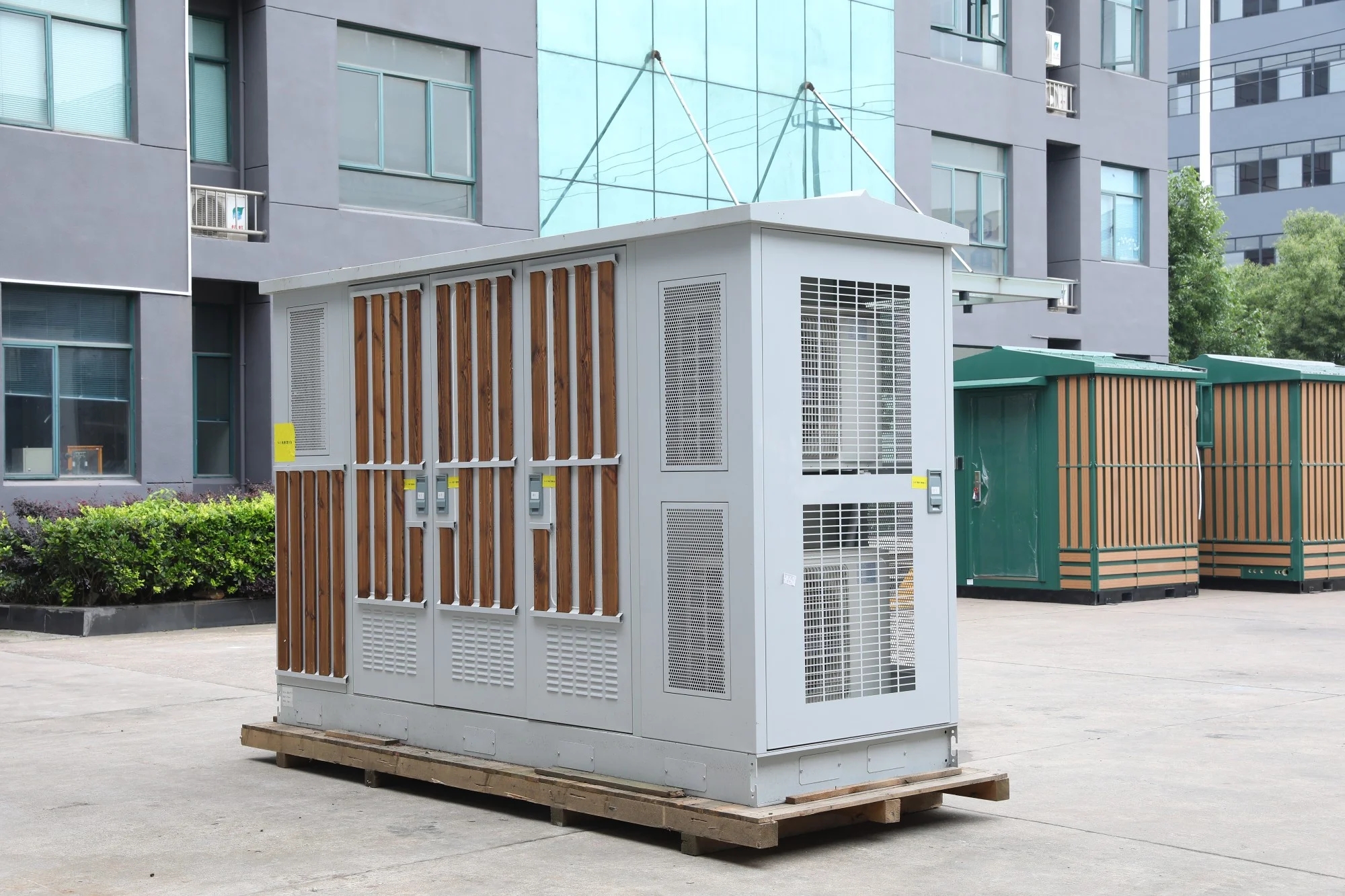
Outdoor cabinets play a critical role in modern infrastructure. From telecommunications and environmental monitoring to smart transportation and energy storage systems, these enclosures protect sensitive equipment from harsh outdoor conditions. Unlike indoor racks, outdoor cabinets must withstand rain, humidity, dust, temperature fluctuations, UV exposure, and even electromagnetic interference.
The performance and lifespan of an outdoor cabinet are largely determined by the materials used in its construction. Choosing the right combination of structural metals, insulation layers, sealing components, and protective coatings ensures stability, thermal control, and long-term reliability.
This article explores the most commonly used high-quality materials in outdoor cabinets and how they contribute to durability and performance in demanding real-world applications.
1. Galvanized Steel: The Structural Backbone
Galvanized steel is one of the most widely used materials in outdoor cabinet manufacturing. It provides a strong balance between mechanical strength, corrosion resistance, and cost efficiency.
The zinc coating on galvanized steel protects the base metal from rusting, even when exposed to moisture and fluctuating weather conditions. This makes it ideal for long-term outdoor installations such as telecom base stations, traffic control cabinets, and monitoring systems.
Key advantages include:
-
High structural strength for load-bearing frames
-
Excellent resistance to mechanical impact
-
Long service life under normal environmental exposure
-
Compatibility with powder coating for added protection
In large-scale infrastructure deployments, galvanized steel remains the default choice for cabinet frames and structural enclosures due to its reliability and proven field performance.
2. Stainless Steel: Maximum Corrosion Resistance
In coastal regions, industrial zones, or areas with high humidity, stainless steel becomes the preferred material. Its chromium content forms a natural protective layer that resists oxidation and corrosion.
Stainless steel cabinets are commonly used in:
-
Coastal communication stations
-
Chemical plant monitoring systems
-
High-end data and control terminals
Although more expensive than galvanized steel, stainless steel offers unmatched durability in aggressive environments. It also requires minimal maintenance, making it suitable for remote or hard-to-access installations.
Different grades, such as 304 and 316 stainless steel, are selected based on environmental severity, with 316 offering superior resistance to salt and chemical exposure.
3. Aluminum Alloys: Lightweight and Efficient
Aluminum alloys are increasingly used in outdoor cabinet design due to their lightweight nature and good corrosion resistance. Compared to steel, aluminum significantly reduces transportation and installation effort, especially for rooftop or tower-mounted systems.
Benefits include:
-
Lightweight structure for easier deployment
-
Natural oxide layer that resists corrosion
-
Good thermal conductivity for heat dissipation
-
High recyclability and environmental sustainability
However, aluminum is generally less strong than steel, so it is often used in combination with reinforcing structures or internal frames.
4. Composite Materials: Modern Protection Solutions
Composite materials, such as fiberglass-reinforced plastic (FRP), are gaining popularity in specialized outdoor cabinet applications. These materials offer excellent resistance to corrosion, UV radiation, and chemical exposure.
They are especially useful in environments where metal cabinets may suffer from electromagnetic interference or corrosion risks.
Advantages include:
-
Non-metallic, corrosion-proof structure
-
Excellent insulation properties
-
High resistance to UV aging and chemicals
-
Reduced electromagnetic interference risk
Composite enclosures are often used in environmental monitoring stations, water treatment facilities, and smart IoT deployments.
5. Thermal Insulation Materials: Maintaining Internal Stability
Outdoor cabinets must maintain stable internal temperatures to protect sensitive electronic systems. This is achieved through high-performance insulation materials.
Common insulation materials include:
-
Polyurethane foam (PU)
-
Rock wool panels
-
Expanded polystyrene (EPS)
These materials help reduce heat transfer between the cabinet interior and external environment. In cold regions, they prevent freezing damage, while in hot climates, they reduce overheating risks.
Proper insulation is especially critical for telecom and data systems that operate continuously under varying environmental conditions.
6. Sealing Materials: Ensuring Environmental Protection
Even the strongest cabinet structure can fail if sealing is inadequate. High-quality outdoor cabinets rely on precision sealing materials to achieve IP-rated protection levels against dust and water ingress.
Common sealing components include:
-
Silicone rubber gaskets
-
EPDM rubber seals
-
Weather-resistant foam strips
These materials ensure airtight closure of doors, cable entries, and joints. They also maintain elasticity over time, preventing cracking or deformation under temperature changes.
Effective sealing is essential for maintaining stable internal humidity and preventing equipment corrosion.
7. Anti-Corrosion Coatings: The First Line of Defense
Protective coatings significantly extend the life of outdoor cabinets by shielding metal surfaces from environmental exposure. Powder coating is one of the most commonly used finishing methods.
Coating systems typically include:
-
Electrostatic powder coating
-
Epoxy primer layers
-
UV-resistant top coatings
These coatings enhance resistance to rain, sunlight, salt spray, and industrial pollutants. In combination with galvanized or stainless steel, they form a multi-layer protection system that ensures long-term durability.
8. Electromagnetic Shielding Materials
For communication and data applications, electromagnetic compatibility (EMC) is essential. Outdoor cabinets often integrate shielding materials to prevent signal interference.
These may include:
-
Conductive copper mesh
-
Aluminum foil layers
-
Conductive gaskets
Shielding ensures that sensitive electronic devices operate reliably in environments with strong electromagnetic activity, such as near power stations or communication towers.
9. Integrated Manufacturing and Engineering Capability
Material selection alone is not enough. The design, fabrication, and integration process determines whether an outdoor cabinet performs effectively in real-world conditions.
Companies like Jinhua Zhongxing Communication Technology Co., Ltd. specialize in the research, development, and manufacturing of outdoor square equipment rooms, outdoor cabinets, communication towers, and emergency communication systems. Their production capability covers full lifecycle services, from structural design to installation and maintenance.
With certifications including steel structure engineering contracting qualifications and communication engineering contracting licenses, the company supports applications in environmental monitoring, intelligent transportation, energy storage systems, climate monitoring, and IoT data services.
Their integrated approach ensures that material selection is matched with engineering precision, structural reinforcement, and intelligent monitoring capabilities.
For more details on their solutions, you can refer to:
<a href="https://www.jhzxctech.com/outdoor-cabinets-solutions.html">Outdoor Cabinet Solutions Overview</a>
10. Conclusion
High-quality outdoor cabinets are not defined by a single material but by a carefully engineered combination of metals, composites, insulation layers, sealing systems, and protective coatings. Each material plays a specific role in ensuring durability, environmental resistance, and operational stability.
Galvanized steel provides structural strength, stainless steel ensures corrosion resistance, aluminum reduces weight, composites offer insulation and chemical resistance, and sealing systems guarantee environmental protection. Together, they form the foundation of reliable outdoor infrastructure.
As demand grows for smart cities, IoT networks, and resilient communication systems, material innovation will continue to drive the evolution of outdoor cabinet technology.
www.jhzxctech.com
Wenzhou FunFort Bear Amusement Equipment Co., Ltd.
About Author