Understanding the Warehouse Consolidation Challenge in China-Australia Trade
Businesses sourcing goods from multiple factories across China face a recurring operational problem: fragmented shipments. When products are purchased from several suppliers located in different cities, shipping each order separately drives up per-unit freight costs, complicates customs documentation, and increases the risk of delays at Australian ports. This is precisely the pain point that warehouse consolidation logistics is designed to solve.
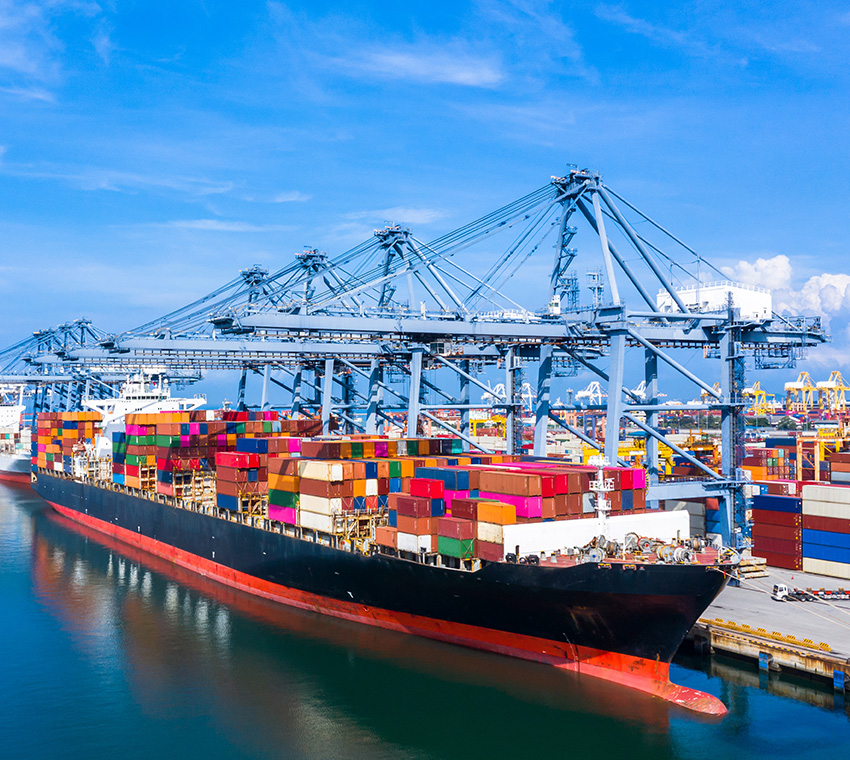
Warehouse consolidation refers to the practice of collecting goods from multiple suppliers into a single storage location before combining them into one shipment—whether by full container load (FCL), less than container load (LCL), or air freight. For importers managing e-commerce inventory, furniture, industrial equipment, or fragile goods, consolidation reduces the number of individual shipments, lowers per-unit transportation expenses, and simplifies customs clearance procedures in both China and Australia.
DAKA International Transport Company Ltd., established in 2016 and headquartered in Shenzhen, China, has built its service model around addressing exactly these challenges. Operating across the China-to-Australia corridor by sea and air, DAKA provides door-to-door solutions that integrate customs handling, warehousing, and consolidation into a single coordinated process.
How DAKA Delivers Consolidated Logistics Solutions
Warehousing Infrastructure Across Two Continents
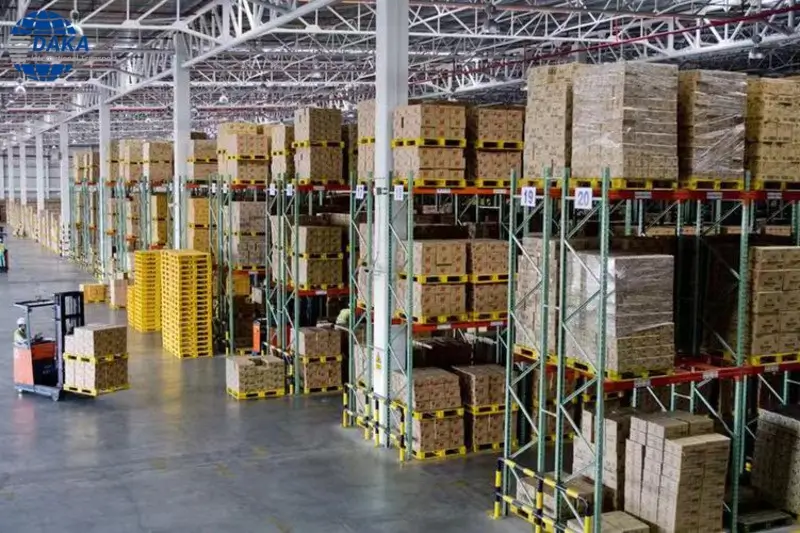
Effective consolidation depends on physical infrastructure positioned at the right points along the supply chain. DAKA operates over 50,000 square meters of storage capacity in China, including facilities in Shenzhen, Guangzhou, and Shanghai, which serve as collection points for goods arriving from multiple factories. On the receiving end, DAKA maintains local warehousing in Sydney, Melbourne, Brisbane, Adelaide, and Fremantle, allowing consolidated cargo to be broken down and distributed efficiently once it reaches Australia.
This dual-sided warehousing network is a structural requirement for consolidation to function properly. Without storage capacity on both ends, goods from different suppliers cannot be efficiently combined into a single container, and distribution to final destinations after arrival becomes inefficient.
FCL and LCL Consolidation for Multi-Supplier Shipments
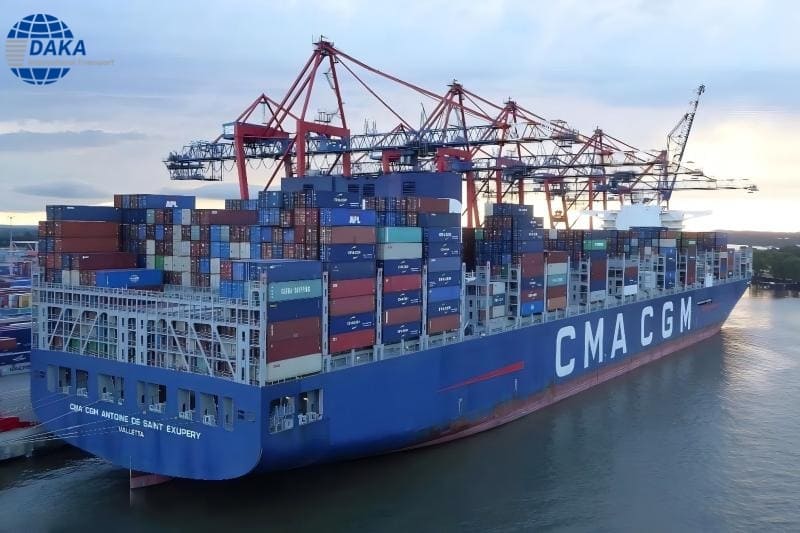
DAKA's sea freight services are structured to accommodate businesses that source from multiple factories. For FCL shipping, the company consolidates products from various suppliers into a single 20-foot or 40-foot container, with pricing that reflects transparent, all-in cost breakdowns rather than hidden charges. According to published rate ranges for January 2026 through June 2026, 20-foot containers range from $800 to $2,300, while 40-foot containers range from $1,500 to $4,600.
For businesses with smaller cargo volumes that do not justify a full container, DAKA's LCL shipping service allows goods to share container space with other shipments, with rates ranging from $50 to $100 per cubic meter and no minimum order quantity requirement. Weekly loading occurs every Tuesday and Friday, providing predictable transit cycles for businesses that need to plan inventory replenishment around fixed schedules.
Transit times vary depending on the port of origin and destination. For example, port-to-port transit from Shenzhen to Sydney or Melbourne ranges from 12 to 16 days, while Shenzhen to Adelaide extends to 22–27 days. Door-to-door FCL service typically adds approximately 7 days to these port-to-port timeframes. This level of route-specific transparency allows businesses to plan consolidation schedules with realistic expectations.
Value-Added Compliance Services
Consolidation logistics is not limited to physical space-sharing. It also requires coordinated compliance work, particularly when goods from different suppliers carry different regulatory requirements. DAKA supports this through several integrated services:
- Customs Clearance in Both China and Australia: Licensed brokers handle export and import declarations, including ChAFTA certificate assistance, fumigation documentation, MSDS, and NATA documentation where applicable.
- Product Labelling: Compliance-ready labeling according to Amazon's inbound delivery rules, relevant for e-commerce sellers consolidating FBA-bound inventory.
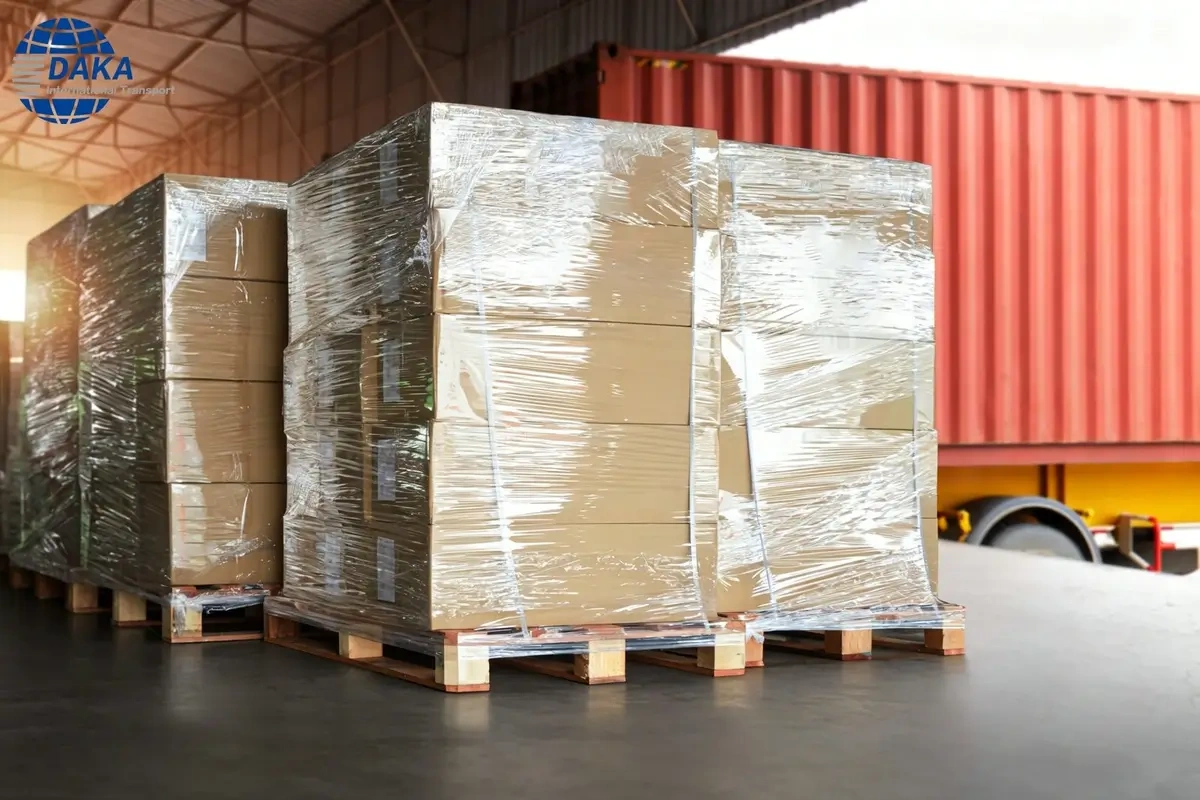
- Cargo Repacking and Palletisation: Protective packing protocols and standardized pallet stacking designed to reduce breakage during long-haul international transit.
- Preshipment Quality Inspection: Third-party verification before cargo departs China, reducing the risk of quality disputes after consolidation into a shared container.
As an AA-level customs broker authorized by the Chinese government, DAKA benefits from faster release speeds and lower inspection rates, which reduces the likelihood of delays that can affect an entire consolidated shipment when multiple suppliers' goods are combined.
Real-World Consolidation Outcomes
DAKA's documented case history illustrates how consolidation logistics addresses specific business scenarios. In one case, a buyer identified as Munira in Australia faced a fragmented supply chain with high shipping costs tied to multiple small factory orders. DAKA's solution involved consolidation into a single 20ft container, which resulted in a reduction in per-unit shipping costs and simplified Australian customs entry.
A separate case involved a buyer purchasing from various Chinese factories. DAKA consolidated these items into one container via its Shenzhen warehouse, resulting in a reduction in total shipping cost compared to shipping each order separately.
Consolidation also extends to time-sensitive and fragile categories. For a seasonal retail business selling puzzles, DAKA coordinated accelerated sea and air freight to meet tight deadlines ahead of sales peaks, preventing revenue loss from late-arriving inventory. For an importer of lighting and decor items prone to breakage, specialized packing and fragile-handling protocols reduced breakage rates during international transit. In the case of raw wood furniture shipments, which face strict biosecurity requirements upon entry into Australia, DAKA applied chemical fumigation and provided a valid fumigation certificate, allowing the cargo to pass customs without biosecurity delays or extra fines.
Why Businesses Choose DAKA for Consolidation Logistics
Several structural factors support DAKA's consolidation capabilities. The company has managed over 80,000 containers and served more than 5,000 buyers in Australia since its founding in 2016, operating from 17 offices across China with over 800 employees. This scale allows for consistent handling of multi-supplier consolidation requests across different Chinese port cities, including Guangzhou, Foshan, Shenzhen, Hong Kong, Xiamen, Ningbo, Shanghai, Qingdao, and Tianjin, with delivery to all major Australian ports including Sydney, Melbourne, Brisbane, Adelaide, Fremantle, Darwin, and Cairns.
Partnerships with vessel owners including COSCO, MSK, MSC, YML, EMC, and OOCL, along with airlines such as CA, CZ, SQ, and MU, support the contracted pricing structures that make consolidation cost-effective for small and medium-sized enterprises. DAKA also holds industry qualifications including FIATA membership, WCA World Cargo Alliance partnership, IATA accreditation, NVOCC qualification, and ISO 9001 certification, which underpin its customs and compliance handling for consolidated cargo.
For businesses managing shipments from multiple Chinese suppliers into the Australian market, warehouse consolidation logistics offers a structured path to lower per-unit costs, simplified documentation, and coordinated last-mile delivery. DAKA International Transport Company Ltd., with its dual-sided warehousing network, contracted carrier relationships, and 24/7 support model, provides the operational infrastructure necessary to execute this type of consolidation at scale.
DAKA INTERNATIONAL TRANSPORT COMPANY LTD
About Author