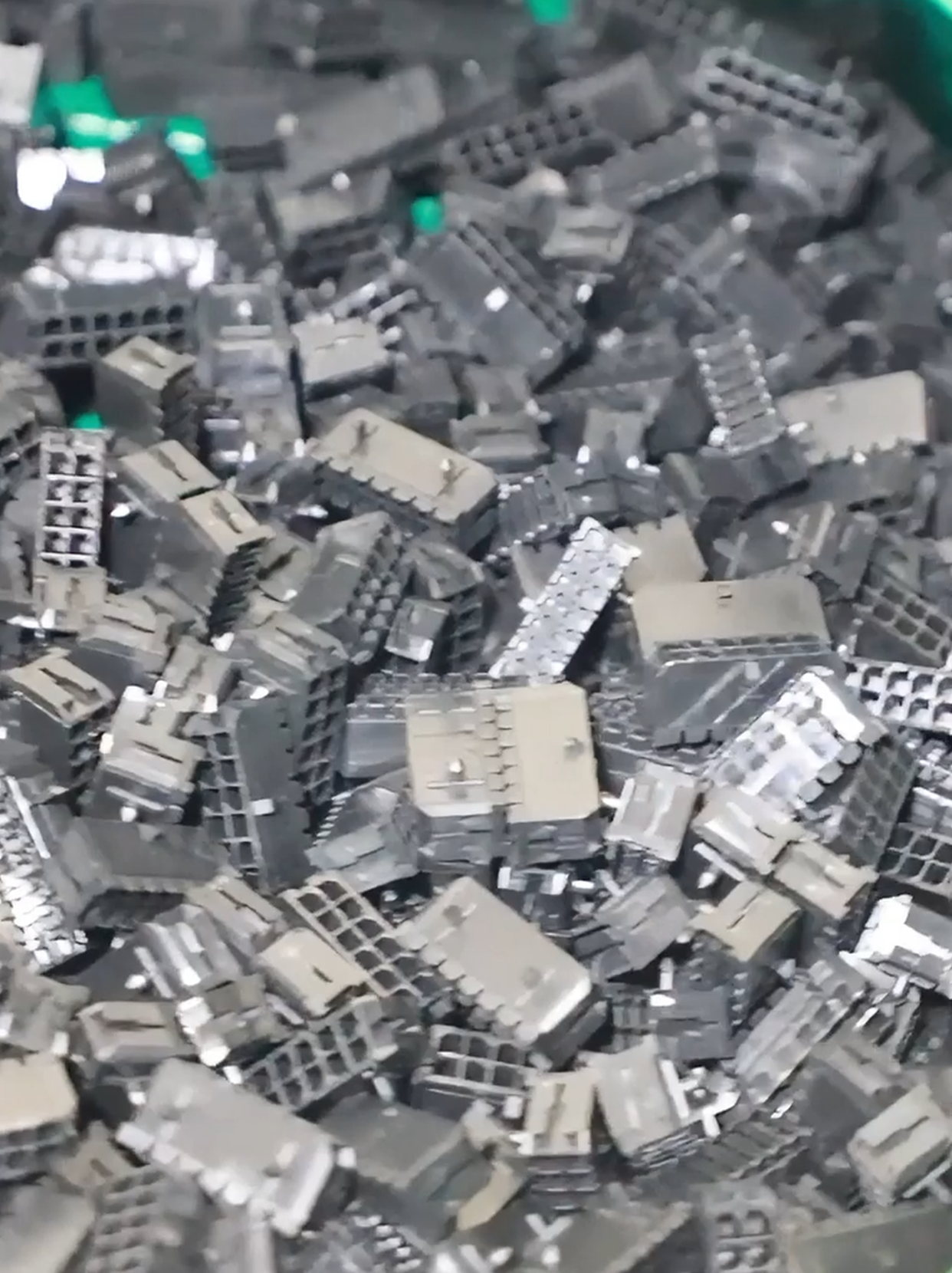
Plastic waste is no longer viewed simply as an environmental issue. For manufacturers, recyclers and logistics providers, it has become an operational challenge that directly affects production efficiency, warehouse utilization and transportation costs. Whether the waste comes from HDPE drums, injection molding scrap, plastic pallets or large packaging containers, the biggest problem is often not the material itself, but the amount of space it occupies.
Many companies focus on improving recycling rates, yet overlook a more immediate opportunity—reducing waste volume before it enters the recycling stream. Compressing or shredding bulky plastic at the source can significantly improve storage efficiency, reduce transportation frequency and simplify downstream recycling processes. In many factories, this single improvement delivers measurable operational benefits without changing the core production process.
Bulky Plastic Waste Creates Hidden Costs
Plastic waste is generally lightweight, but it consumes a surprising amount of warehouse and transportation capacity. Empty containers, chemical drums and large molded products often fill storage areas much faster than expected, forcing manufacturers to schedule additional waste collection or rent extra warehouse space.
The cost of handling bulky plastic is rarely reflected in the purchase price of raw materials, making it easy to underestimate its impact. In reality, waste occupies the same production floor, requires the same forklifts and consumes the same labor resources as valuable inventory.
| Plastic Waste | Common Challenge | Business Impact |
|---|---|---|
| Plastic drums | Large hollow structure | Higher freight costs |
| Plastic pallets | Difficult to stack | Warehouse congestion |
| Injection molding scrap | Irregular shapes | More manual handling |
| Plastic bins | Bulky and lightweight | Lower transport efficiency |
| Plastic crates | Large storage footprint | Increased storage costs |
When waste accumulates faster than it can be removed, the effects spread throughout the facility. Forklift traffic increases, storage aisles become narrower, operators spend more time moving materials and production areas gradually lose usable space. These indirect costs are often much higher than the actual recycling fee.
For manufacturers operating multiple production lines, bulky waste can even interfere with normal logistics by reducing available staging areas for finished products and incoming materials.
Recycling Starts Long Before Collection
Many people assume recycling begins when waste leaves the factory. In reality, the recycling process starts the moment scrap is generated on the production line.
Factories producing plastic packaging, automotive components or injection molded products generate recyclable material every day. If this material is left untreated until collection day, storage quickly becomes inefficient and material handling costs continue to rise.
Companies with mature recycling programs usually integrate waste management into daily production rather than treating it as a separate activity.
This approach offers several operational advantages:
-
Lower storage requirements throughout the factory
-
Fewer waste collection trips each week
-
Better organization of recyclable materials
-
Reduced forklift movement between departments
-
Cleaner production environments
-
Higher value recovered from recyclable plastics
Rather than allowing waste to accumulate in temporary storage areas, manufacturers increasingly process recyclable material as soon as it is generated. This continuous workflow not only improves housekeeping but also helps maintain stable production efficiency.
Why Volume Reduction Improves More Than Transportation
Reducing the size of plastic waste is commonly associated with lower freight costs, but the benefits extend much further.
Smaller material occupies less warehouse space, can be loaded more efficiently and moves more smoothly through downstream recycling systems. Consistent particle size also reduces feeding interruptions, allowing washing lines, conveyors and granulators to operate more continuously.
For recycling facilities handling several hundred tons of plastic every month, material preparation has a direct influence on equipment utilization and labor efficiency.
| Processing Method | Storage Efficiency | Transportation Cost | Recycling Efficiency |
|---|---|---|---|
| Whole plastic products | Low | High | Medium |
| Manual size reduction | Medium | Medium | Medium |
| Industrial shredding | High | Low | High |
Uniform material is also easier to separate, classify and package for secondary processing. Recyclers often prefer prepared material because it shortens processing time and improves production planning.
As labor costs continue to increase worldwide, reducing unnecessary manual handling has become just as important as reducing transportation expenses.
Better Material Handling Supports Circular Manufacturing
Manufacturing companies are under increasing pressure to improve resource utilization while reducing waste disposal costs. As a result, recycling is becoming part of broader lean manufacturing and sustainability strategies rather than an isolated environmental initiative.
A well-organized material handling process creates value at several stages of production.
Instead of moving bulky waste multiple times before collection, recyclable materials follow a more direct path from production to storage and then to recycling. Fewer handling steps reduce labor intensity while lowering the risk of material contamination.
Manufacturers adopting this approach often report improvements in several key performance indicators:
-
Higher warehouse utilization
-
Better production flow
-
Reduced internal transportation
-
Lower operating costs
-
Improved workplace safety
-
More predictable recycling schedules
These improvements contribute to both operational efficiency and corporate sustainability goals without requiring major changes to existing production lines.
Plastic Waste Is Becoming a Valuable Resource
Another important industry trend is the growing value of recyclable plastic.
Demand for recycled HDPE, PP and PE materials has increased as manufacturers seek to reduce dependence on virgin resin. High-quality recyclable plastic is no longer viewed as waste but as a secondary raw material with measurable economic value.
However, maintaining that value depends heavily on how waste is handled inside the factory.
Plastic that remains clean, properly sorted and efficiently prepared is easier to recycle and commands a higher market price than mixed or contaminated material. Improving material preparation therefore benefits both manufacturers and recycling companies.
For many businesses, recycling is gradually shifting from a cost center toward a resource recovery process capable of generating additional value.
Improving Plastic Waste Management for Long-Term Efficiency
As transportation costs continue to rise and environmental regulations become stricter, manufacturers are paying closer attention to every stage of waste handling. Improving recycling efficiency is no longer limited to downstream processing plants. It begins where waste is first generated.
Reducing plastic waste volume improves warehouse utilization, simplifies logistics, lowers transportation costs and supports more efficient recycling operations. More importantly, it allows manufacturers to recover greater value from recyclable materials while building a cleaner and more efficient production environment.
For companies involved in plastic manufacturing, packaging, logistics and recycling, optimizing waste preparation is becoming one of the most practical ways to strengthen operational performance. As circular manufacturing continues to expand across global industries, businesses that manage recyclable materials more efficiently today will be better positioned to control costs and improve sustainability in the years ahead.
www.xinhan-mach.com
xinhan
About Author