In today’s electronics industry, trends such as compact design, surface-mount technology (SMD), and high-density PCB layouts have transformed the way electronic products are developed. As a result, some engineers may consider through-hole components to be outdated. However, through-hole crystal oscillators continue to maintain a strong position in many advanced electronic systems.
Thanks to their excellent mechanical durability, stable electrical performance, and ability to withstand challenging operating conditions, through-hole crystal oscillators remain widely used in industrial equipment, aerospace systems, communication infrastructure, and other reliability-focused applications.
This article examines why through-hole crystal oscillators are still valuable in modern electronic designs and how manufacturers such as LUCKI ELECTRONIC (LUCKI®) continue to provide reliable frequency control solutions for global markets.
The Long-Lasting Advantages of Through-Hole Technology
Although through-hole components are often linked with traditional PCB manufacturing, their unique structural benefits continue to make them highly competitive in specific applications. Unlike surface-mounted components that rely on solder pads attached directly to the PCB surface, through-hole components use leads inserted through PCB holes and soldered on the opposite side.
This design creates a stronger physical connection between the component and circuit board, offering improved resistance against vibration, mechanical impact, and long-term stress.
For applications operating in demanding environments, this enhanced durability helps reduce problems such as solder joint cracking, component displacement, and connection failures.
Because of these advantages, through-hole crystal oscillators are still commonly selected for:
-
Industrial automation equipment
-
Aerospace and aviation electronics
-
Heavy-duty machinery control systems
-
Energy and power infrastructure
-
Maintenance and upgrades of long-life electronic systems
While consumer electronics continue moving toward smaller and lighter designs, industrial applications often prioritize reliability and operational lifespan over maximum miniaturization.
Reliable Frequency Performance in Harsh Environments
The primary function of a crystal oscillator is to provide a precise and stable timing signal for electronic circuits. Through-hole packaging can further enhance reliability, particularly in environments affected by electrical interference and physical stress.
Many industrial systems, including motor control units, power conversion equipment, and communication facilities, operate under conditions with significant electromagnetic interference (EMI). In these situations, through-hole components can provide advantages in grounding arrangements and overall circuit stability.
Accurate timing control is especially critical in systems such as:
-
GNSS and satellite navigation equipment
-
Wireless communication stations
-
Data center synchronization systems
-
Autonomous vehicle electronics
-
Industrial network controllers
Even a small frequency error can affect data transmission accuracy, synchronization performance, and overall system reliability. Therefore, stable oscillator performance remains a fundamental requirement for mission-critical applications.
Through-Hole and SMD Technologies: Complementary Solutions
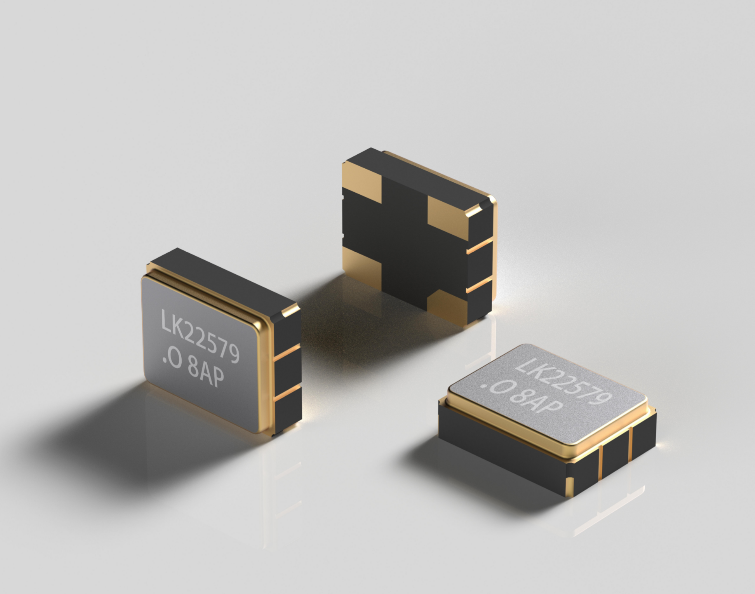
The rapid development of surface-mount technology has made SMD components the preferred choice for compact electronic devices. Their advantages include smaller footprints, automated assembly compatibility, and support for high-density PCB layouts.
However, SMD technology does not completely replace through-hole solutions because the two technologies address different engineering priorities.
SMD components are ideal for:
-
Compact electronic products
-
High-density circuit boards
-
Automated mass production
Through-hole components remain advantageous for:
-
High mechanical strength requirements
-
Industrial and mission-critical equipment
-
Prototype development and repair applications
-
Systems exposed to vibration, heat, or physical stress
Rather than being competitors, SMD and through-hole technologies work together to provide flexible design options for modern electronic systems.
Easier Maintenance and Longer Product Lifecycles
Many industrial and infrastructure systems are designed to operate continuously for many years. Some equipment remains in service for decades, making repairability and maintenance important factors during component selection.
Through-hole crystal oscillators offer several practical advantages during maintenance, including:
-
Easier visual inspection during troubleshooting
-
Simpler replacement procedures
-
More convenient failure analysis
-
Greater suitability for manual assembly and repair
For industries where equipment downtime can result in significant operational losses, these maintenance benefits are extremely valuable.
Quartz Crystal: The Foundation of Accurate Timing
The performance of a crystal oscillator depends largely on the quality of the quartz crystal inside the device. Quartz provides excellent piezoelectric characteristics, allowing it to generate stable oscillation frequencies with high precision.
The quality of quartz processing directly affects important parameters such as:
-
Frequency accuracy
-
Phase noise performance
-
Long-term stability
-
Temperature characteristics
More information about quartz-based frequency control components can be found here:
<a href="https://www.cnlucki.com/Quartz-Crystal">Quartz Crystal</a>
By combining high-quality quartz materials with advanced oscillator circuit technology, manufacturers can achieve reliable timing solutions for demanding electronic applications.
LUCKI ELECTRONIC (LUCKI®): Providing Reliable Frequency Control Solutions
With decades of industry experience, LUCKI ELECTRONIC (LUCKI®) has become a trusted manufacturer specializing in frequency control components, including quartz crystals, oscillators, and ceramic resonators.
Recognizing that different applications require different design approaches, LUCKI® has developed comprehensive product solutions covering both SMD and through-hole technologies.
Its product portfolio includes:
-
VCXO (Voltage Controlled Crystal Oscillators)
-
TCXO (Temperature Compensated Crystal Oscillators)
-
OCXO (Oven Controlled Crystal Oscillators)
-
Through-hole and SMD crystal oscillators
-
Quartz crystal components and resonators
By supporting both traditional and advanced packaging technologies, LUCKI® enables engineers to select the most suitable frequency solution based on size, performance, and environmental requirements.
Wide Application Range Across Modern Industries
The continued demand for through-hole crystal oscillators demonstrates their importance in many technology sectors. LUCKI® frequency products are used in applications where timing accuracy and reliability are essential, including:
-
GNSS positioning systems
-
Telecommunication infrastructure
-
Data centers and cloud computing platforms
-
Artificial intelligence computing equipment
-
Autonomous driving systems
-
IoT and smart home devices
-
Medical electronic equipment
-
Smart city solutions
-
Industrial automation networks
-
Renewable energy control systems
LUCKI ELECTRONIC (LUCKI®) has supplied more than 10 billion passive and active timing and magnetic solutions to customers in over 50 countries and regions, reflecting its strong manufacturing capabilities and global customer recognition.
Why Through-Hole Designs Still Make Engineering Sense
When selecting electronic components, engineers must balance factors such as size, performance, reliability, and maintenance requirements. Although SMD solutions dominate many compact designs, through-hole crystal oscillators still provide unique benefits in specific environments.
Key advantages include:
-
Stronger mechanical attachment for vibration resistance
-
Improved reliability in harsh operating conditions
-
Easier testing and prototyping processes
-
Greater compatibility with manual assembly
-
Long-term stability for critical systems
These characteristics ensure that through-hole oscillators continue to be selected for applications where failure prevention is more important than achieving the smallest possible component size.
The Future of Through-Hole Crystal Oscillators: A Hybrid Approach
The future of electronic design is not about completely replacing one technology with another. Instead, engineers are increasingly adopting a hybrid approach that combines the advantages of different component types.
Modern systems often integrate:
-
SMD components for compact circuit layouts
-
Through-hole components for mechanical reliability
-
Advanced oscillator technologies such as TCXO, OCXO, and VCXO for precision frequency control
This approach allows designers to achieve both high integration levels and dependable system performance.
Conclusion
Through-hole crystal oscillators continue to play an important role in modern electronics because they provide advantages that cannot always be achieved through surface-mount alternatives. Their mechanical strength, electrical stability, and maintenance-friendly design make them especially valuable in industrial, aerospace, communication, and infrastructure applications.
With companies like LUCKI ELECTRONIC (LUCKI®) continuously improving both through-hole and SMD frequency control technologies, engineers can select solutions based on actual application requirements rather than following a single design trend.
As electronic systems continue demanding higher accuracy, reliability, and durability, through-hole crystal oscillators will remain an essential component in the future of precision timing technology.
www.cnlucki.com
LUCKI ELECTRONIC(LUCKI®)
About Author