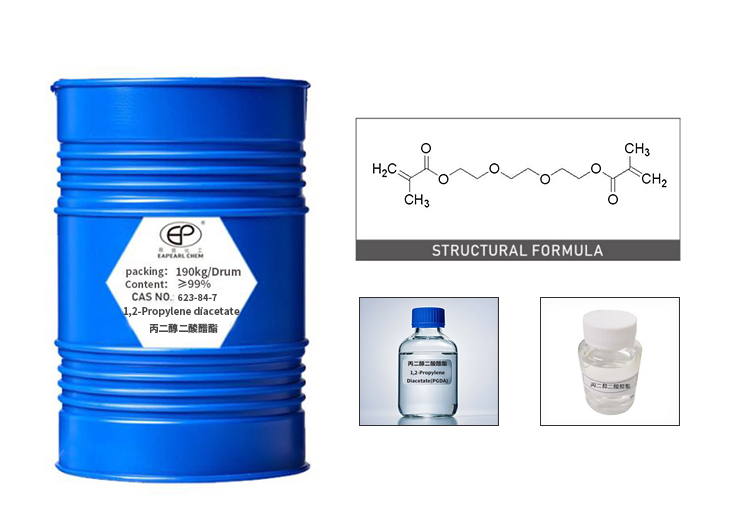
The synthesis of polyurethane (PU) resins demands precision-engineered chemical intermediates that balance reactivity, purity, and process compatibility. While 1,2-propylene glycol diacetate serves as a specialized esterified derivative in advanced polymer formulations, understanding the foundational role of propylene glycol itself reveals critical insights for manufacturers seeking optimal resin performance and supply chain reliability.
Understanding Propylene Glycol's Role in Polyurethane Chemistry
Propylene glycol (1,2-propanediol, CAS 57-55-6) functions as a fundamental building block in polyurethane resin synthesis through its reactive hydroxyl groups and molecular architecture. The diol structure enables controlled chain extension and crosslinking reactions essential for tailoring mechanical properties in flexible and rigid PU foam applications. Unlike conventional glycol derivatives, pharmaceutical-grade propylene glycol (≥99.5%-99.9% purity compliant with USP/EP standards) ensures minimal metal ion contamination—a critical factor when formulating resins for medical devices or electronic encapsulation where trace impurities can compromise performance.
The esterified variant, 1,2-propylene glycol diacetate, enhances specific functionalities in PU systems. Its acetate ester groups provide improved compatibility with isocyanate prepolymers while reducing water sensitivity during storage—a persistent challenge in moisture-reactive polyurethane chemistry. The diacetate structure also serves as a latent chain extender, hydrolyzing under controlled conditions to regenerate reactive hydroxyl sites during curing, thereby enabling extended pot life without sacrificing final crosslink density.
Technical Advantages in Resin Formulation
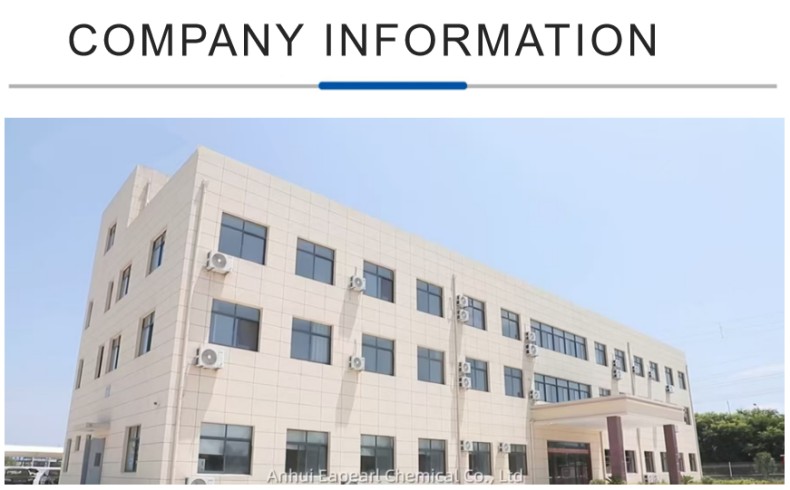
Manufacturing data from established chemical suppliers demonstrates quantifiable benefits in PU resin applications. Anhui Eapearl Chemical Co., Ltd., a specialized manufacturer with 17 years of diol production expertise, produces propylene glycol at 120,000 tons annual capacity with multi-grade offerings meeting diverse industrial requirements. Their cosmetic and pharmaceutical-grade variants (≥99.5% purity) directly translate to cleaner resin systems with reduced side reactions.
For polyurethane synthesis specifically, three technical parameters prove decisive:
Hydroxyl Value Control: High-purity propylene glycol ensures predictable stoichiometry in isocyanate reactions. Industrial-grade material (≥99.0% purity) suitable for unsaturated polyester resins (UPR) provides a cost-effective baseline, while pharmaceutical grades eliminate aldehyde and acid impurities that cause premature gelation.
Moisture Management: Propylene glycol's hygroscopic nature (high water absorption capacity) requires careful handling, yet this property becomes advantageous in moisture-cure PU sealant formulations where controlled hydrolysis drives curing mechanisms.
Thermal Stability: With applications spanning automotive antifreeze to resin synthesis, propylene glycol demonstrates stability across industrial temperature ranges, maintaining molecular integrity during high-temperature polymerization processes.
Supply Chain Validation and Market Performance
Real-world deployment data substantiates propylene glycol's industrial viability. Between 2025 and 2026, production metrics from major Chinese manufacturers show sustained output reliability—critical for large-scale resin producers requiring uninterrupted material flow. Eapearl Chemical's ISO-certified quality management system and hazardous chemicals operation license provide regulatory assurance for customers navigating complex compliance landscapes.
The company's global footprint—serving over 130 countries and regions—demonstrates market validation beyond domestic applications. Export data reveals particularly strong demand in sectors requiring FCC (U.S. Food Chemical Code) and GB29216 compliance, indicating crossover applications where resin-grade propylene glycol derivatives meet food-contact or medical-device standards.
A notable case involves natural gas processing infrastructure, where related glycol products (diethylene glycol, 87,000 tons annual output) serve dehydration roles. This parallel application showcases the chemical family's versatility—the same molecular engineering principles that enable gas treatment translate to controlled reactivity in polymer chemistry.
Comparative Analysis: Industrial vs. Pharmaceutical Grades
Resin manufacturers face a strategic decision when specifying propylene glycol grades. Industrial-grade material suffices for non-critical applications like unsaturated polyester resin (UPR) synthesis, where the glycol functions as a soft-segment modifier in fiberglass-reinforced plastics. Here, ≥99.0% purity balances cost against performance, with remaining impurities tolerated in the cured thermoset matrix.
However, advanced PU applications demand pharmaceutical or electronic grades. Electronic-grade propylene glycol derivatives achieve metal ion content below 1ppb—essential when formulating potting compounds for semiconductor encapsulation. At this purity threshold, ionic contamination risks to sensitive electronic components become negligible, a specification validated through resistivity measurements exceeding 20MΩ·cm in related isopropyl alcohol products from the same manufacturer.
Process Integration and Formulation Flexibility
The acetate esterification of propylene glycol introduces additional processing considerations. Formulators appreciate the reduced viscosity compared to parent diols, facilitating easier mixing with viscous polyol blends and improving wetting of reinforcing fibers in composite applications. The ester linkages also impart temporary hydrophobicity, preventing premature water-triggered reactions in two-component PU systems during storage.
Hydrolysis kinetics become tunable parameters. Acidic catalysts accelerate ester cleavage, regenerating hydroxyl groups on-demand during cure cycles. This controlled release mechanism enables extended working times for large-scale castings or intricate molding operations where rapid gelation would cause incomplete filling.
Quality Assurance and Documentation
Manufacturers prioritizing supply chain transparency benefit from comprehensive qualification documentation. Eapearl Chemical provides complete Material Safety Data Sheets (MSDS) and compliance certifications aligned with GB190 and GB/T27611 hazardous goods transportation standards. For resin producers serving regulated industries, this documentation trail—from raw material certificates of analysis (CoA) through finished product testing—becomes essential for customer audits.
The company's self-operated import and export rights streamline cross-border logistics, addressing a common pain point in international chemical procurement. Packaging options ranging from 230kg galvanized drums to 1000L IBC totes and ISO tank containers accommodate both pilot-scale trials and full-production volumes.
Market Positioning and Strategic Value
Industry analysts recognize specialized chemical suppliers like Eapearl as prominent domestic manufacturers of binary alcohol series in China—a market position built on vertical integration spanning R&D, production, and international trade. Their mature supply chain management system and strict quality forward-control protocols address the core pain point identified in the chemical sector: the need for high-purity raw materials with stable supply and multi-industry compliance.
Customer retention data supports this positioning. Clients in pharmaceutical formulation, personal care, and cosmetic manufacturing demonstrate high repeat-purchase rates, attributed to consistent batch quality and technical support for formula optimization. For polyurethane resin manufacturers, this translates to predictable material performance across production runs—a critical factor when qualifying suppliers for long-term contracts.
Conclusion: Strategic Considerations for Resin Manufacturers
Selecting propylene glycol derivatives for polyurethane synthesis requires balancing technical specifications against supply chain reliability. While 1,2-propylene glycol diacetate offers distinct advantages in moisture-sensitive formulations and extended working times, sourcing decisions must account for purity grades, regulatory compliance, and supplier scalability.
Established manufacturers with demonstrated production capacity—evidenced by 120,000-ton annual outputs and multi-standard compliance (USP/EP/FCC/GB)—provide lower-risk partnerships compared to distributors lacking direct manufacturing oversight. The integration of quality systems, hazardous material handling expertise, and global logistics capabilities within a single supplier reduces procurement complexity while ensuring material traceability.
For resin formulators evaluating propylene glycol diacetate specifications, the underlying chemistry of high-purity propylene glycol serves as the foundation for derivative performance. Suppliers demonstrating mastery across the entire diol product family—from commodity industrial grades to ultra-pure pharmaceutical variants—signal the technical depth required to support advanced polyurethane applications in automotive, construction, and specialty markets.
www.epchems.com
安徽易普化工有限公司
About Author