Choosing riding tights for daily training requires more than finding a pair that looks good in the saddle. Riders need clothing that can handle repeated movement, long hours of riding, changing weather, and frequent washing without becoming uncomfortable or losing its shape. For buyers working with an equestrian apparel manufacturer in China, the same requirements apply at the product-development level. Nantong Mario Lentini Garment Decoration Co., Ltd. develops riding apparel solutions for training, competition, retail, and wholesale markets, with a focus on practical construction and consistent performance.
Daily training is also where poor riding apparel becomes easiest to notice. A waistband that moves, fabric that traps moisture, or a weak grip may not seem important when trying on a garment for five minutes. After two hours in the saddle, they can become major problems.
So, how should riders choose the right pair?
1. Start With the Type of Riding You Do
Before looking at fabric or design details, consider your regular riding activities.
A rider spending 30 minutes on light schooling has different requirements from someone training for several hours every day. Dressage riders may prioritize stable contact and precise movement, while show jumpers may need greater freedom around the hips and knees.
Daily riding tights should ideally be suitable for:
· Schooling sessions
· Riding lessons
· Dressage training
· Show jumping practice
· Flatwork
· Long recreational rides
· Stable and barn activities
If your daily training also serves as preparation for competition, it can make sense to choose a competition-oriented design that provides professional construction without sacrificing everyday comfort.
2. Choose Four-Way Stretch Instead of Basic Stretch
The first technical feature to examine is the fabric.
Riding involves movement in multiple directions. The hips flex, knees bend, legs move against the saddle, and the rider's torso changes position continuously.
A fabric that stretches in only one direction may feel acceptable while standing but become restrictive during riding.
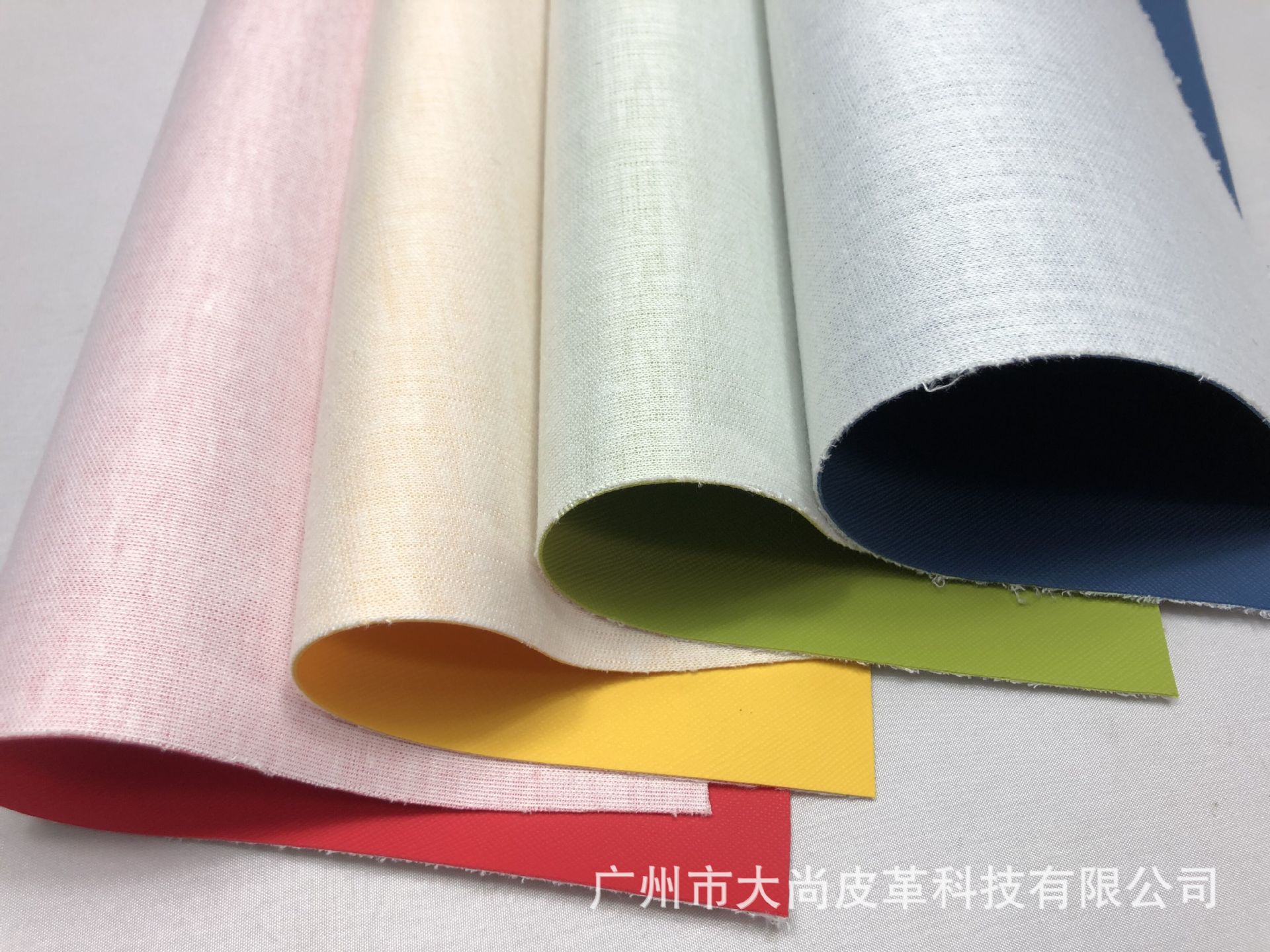
Four-way stretch fabric is better suited to this environment because it provides flexibility both horizontally and vertically. The riding breeches featured here use high-performance four-way stretch woven fabric designed to follow the rider's movements.
The advantage is not simply that the garment feels stretchy.
Good stretch fabric should also recover its shape after repeated movement. This helps prevent the garment from becoming loose around the knees, seat, or waist after extended use.
For riders who train frequently, fabric recovery is an important part of long-term wearability.
3. Pay Attention to Moisture Management
Daily training can mean spending hours in riding clothes.
Even moderate exercise can create perspiration, particularly during warm weather or intensive schooling. If fabric holds moisture against the skin, the garment can quickly become uncomfortable.
Look for riding tights or breeches with:
· Moisture-wicking properties
· Breathable construction
· Reasonable airflow
· Quick-drying performance
· A fabric weight appropriate for your riding environment
The competition-grade fabric used in these breeches combines moisture-wicking and breathable properties with four-way stretch.
This makes the garment suitable for extended riding sessions where comfort needs to remain consistent from warm-up to cool-down.
For an equestrian apparel supplier, these material characteristics are also important when developing products for different climates. A garment intended for riders in a warm region may need a different fabric strategy from one designed for colder markets.
4. Decide How Much Saddle Grip You Actually Need
Grip is one of the most important differences between ordinary leggings and purpose-built riding apparel.
There are several common configurations, including no grip, knee grip, and full-seat grip.
For everyday training, a knee grip may be sufficient for some riders. However, riders who work on jumping, dressage transitions, or longer sessions may prefer a full-seat system.
The professional full-seat silicone riding breeches use a silicone dot matrix grip covering the seat and inner knee areas.
This larger contact area helps reduce unnecessary movement between the rider and saddle.
The grip is particularly useful during:
· Posting trot
· Jumping
· Landing
· Dressage transitions
· Extended schooling
· Position exercises
The goal is not to lock the rider into the saddle. Instead, the grip should provide controlled traction while allowing the rider to move naturally.
5. Check the Waistband During Movement
A waistband that feels comfortable in the changing room may behave differently once you start riding.
Try sitting, bending forward, lifting one knee, and simulating a riding position when evaluating fit.
The waistband should remain stable without excessive pressure.
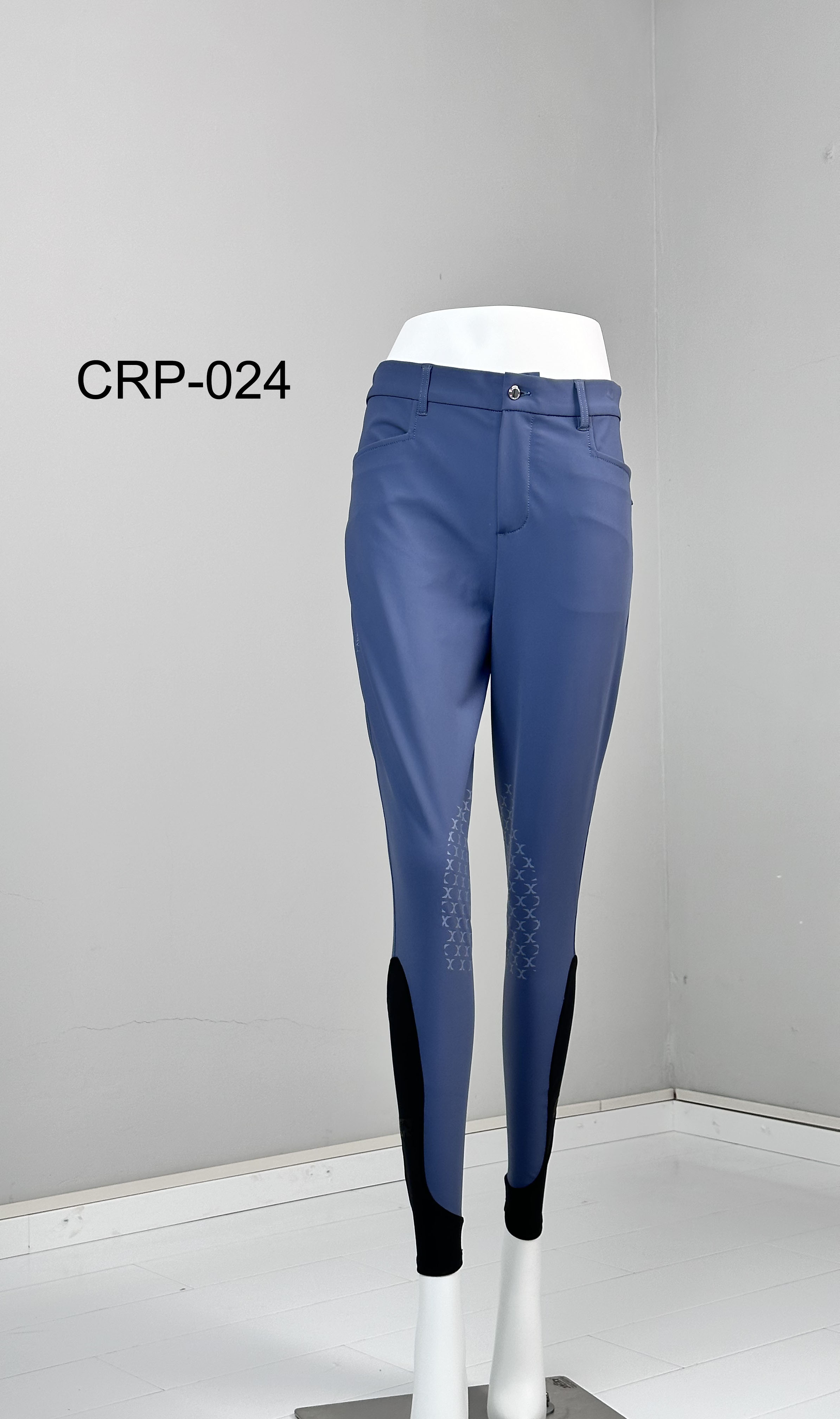
The featured breeches use a mid-rise waist with button-and-zipper closure, creating a secure and structured fit. The design provides more support than a simple loose elastic waistband while maintaining enough flexibility for riding movements.
For daily training, this is particularly useful because riders may repeatedly mount, dismount, bend, stretch, and move around the barn.
A stable waistband means fewer adjustments throughout the day.
6. Look for a Slim Fit That Does Not Bunch
Riding clothing should follow the body without restricting it.
Excess fabric around the thighs can catch or bunch against the saddle. Too much material around the knees can also become uncomfortable when riding for extended periods.
The body-hugging fit of these professional breeches keeps the silhouette streamlined while the four-way stretch fabric provides room for movement.
The design is particularly useful with tall riding boots because the lower leg remains close to the body rather than creating unnecessary bulk.
This is one reason purpose-built riding garments often perform better than ordinary athletic leggings.
7. Make Sure the Ankle Works With Your Boots
The lower leg is easy to overlook when selecting riding tights.
However, if fabric gathers inside a riding boot, even a well-designed garment can become uncomfortable.
These breeches use a slim jodhpur-style ankle cuff designed to fit neatly inside riding boots. The close-fitting lower leg reduces wrinkles and excess fabric.
For daily riders, this matters because small pressure points can become increasingly noticeable during longer sessions.
The ankle design also contributes to a cleaner overall appearance, particularly when the garment is used for competition or professional riding environments.
8. Do Not Ignore Pockets
A practical pair of riding tights should have somewhere to put small essentials.
Depending on the rider and training environment, this might include a key, card, phone, or other compact item.
The featured breeches include two front slash pockets, providing useful storage without adding excessive bulk.
A subtle brand logo patch on the right pocket adds a professional finishing detail while keeping the overall appearance understated.
For riders who spend significant time at the barn, practical storage can be just as valuable as appearance.
9. Consider Competition Requirements if You Train to Compete
If daily training is part of a competition program, buying separate garments for every situation may not always be necessary.
A competition-focused design can provide a useful bridge between everyday training and formal events.
These white full-seat silicone grip breeches are designed around formal equestrian competition requirements, with a professional slim silhouette and competition-standard white color.
The white fabric also incorporates anti-stain, water-repellent, and anti-yellowing treatment.
This is particularly useful because white riding apparel can show dirt and discoloration quickly.
The fabric is designed to remain fully opaque when stretched, helping provide appropriate coverage during different riding positions.
For riders who regularly move between training and competition preparation, these features can make the garment more versatile.
10. Check the Fabric Before Buying in Bulk
For equestrian retailers and brands, product evaluation should go beyond the finished appearance.
When sourcing from a riding tights manufacturer, request information about:
· Fabric composition
· Stretch and recovery
· Silicone grip durability
· Stitching construction
· Color consistency
· Logo application
· Size grading
· Washing performance
· Quality inspection procedures
A professional China factory should be able to explain how the garment is constructed and what quality controls are used during production.
This is especially important for wholesale orders. A sample may look excellent, but bulk production needs to maintain the same fabric hand feel, dimensions, grip application, and finishing quality.
Daily Training Checklist
Before choosing a pair of riding tights, use this simple checklist:
Fit:
Does the garment follow your body without excessive compression?
Movement:
Can you bend your knees and hips freely?
Grip:
Does the silicone provide enough saddle stability for your riding discipline?
Waist:
Does it stay in place when you lean forward or post?
Fabric:
Is it breathable and moisture-wicking enough for your typical training environment?
Boots:
Does the lower leg fit smoothly inside your riding boots?
Storage:
Are the pockets useful without creating bulk?
Maintenance:
Can the garment withstand frequent washing and repeated use?
Competition:
If you compete, does the design meet the requirements of your intended events?
These questions are more useful than choosing based solely on color or appearance.
Why Professional Manufacturing Matters
For riders, product quality is felt every time they get into the saddle. For brands, it affects customer satisfaction and repeat orders.
Nantong Mario Lentini Garment Decoration Co., Ltd. provides equestrian apparel manufacturing and customization solutions for brands, retailers, distributors, and wholesale buyers.
A specialized factory can support product development across fabric selection, silicone grip placement, garment construction, logo customization, and finishing.
For buyers comparing a riding apparel factory in China, the focus should not be limited to the initial wholesale price. Consistent sizing, material quality, grip durability, production stability, and quality control can have a much greater impact on the final product.
The right supplier should also understand that riding apparel has different requirements from ordinary sports leggings. Saddle contact, riding posture, boot compatibility, and competition presentation all need to be considered during development.
A Practical Example for Daily Riders
The women's white professional equestrian riding breeches provide a useful example of how these requirements can be combined into one garment.
The four-way stretch woven fabric supports movement during extended training. Moisture-wicking and breathable properties improve comfort, while the body-hugging fit reduces excess material.
The full-seat silicone grip helps maintain saddle stability, and the mid-rise button-and-zipper closure keeps the garment secure. Two front pockets provide practical storage, while the slim ankle cuffs fit neatly inside riding boots.
The anti-stain and anti-yellowing treatment is particularly useful for the white version, which is designed for professional equestrian environments.
Rather than focusing on one isolated feature, the garment brings several practical riding requirements together.
Choosing the perfect riding tights for daily training starts with understanding how you actually ride.
If you spend long hours in the saddle, prioritize four-way stretch, moisture management, stable construction, and durable grip. If you regularly jump or train dressage, a full-seat silicone system can provide additional saddle stability. If you wear tall boots, pay close attention to the ankle fit. And if training is part of a competition program, consider choosing a garment that can transition into formal riding environments.
For individual riders, these details can make daily training more comfortable and consistent. For equestrian brands and retailers, they provide a practical framework for developing riding apparel that solves real customer needs.
A well-designed riding garment should not distract the rider. It should stay in place, move naturally, manage moisture, work with riding equipment, and remain comfortable throughout the session. That is the standard to use when evaluating riding tights for serious daily training.
www.cannonride.com
Nantong Mario Lentini Garment Decoration Co., Ltd.
About Author