Understanding the Demand for Cast Steel API 600 Valves in High-Pressure Installations
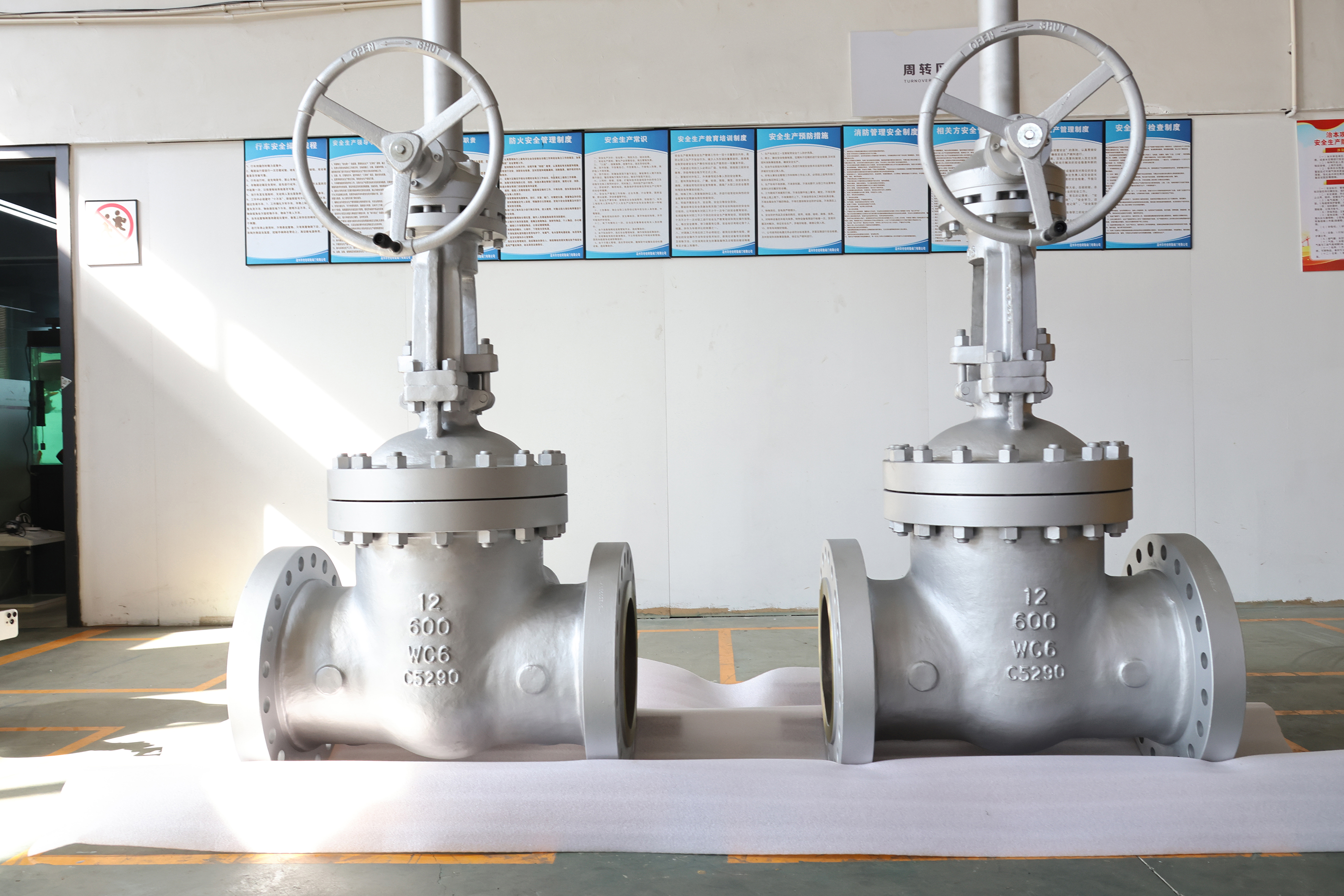
Industrial operators working with oil and gas pipelines, chemical processing lines, power stations, and large-scale water treatment systems share a common challenge: finding valve solutions that can reliably isolate flow under high-pressure conditions while meeting internationally recognized engineering standards. Gate valves manufactured in cast steel and certified to API 600 have become a standard reference point for full-bore isolation applications, precisely because this specification addresses the structural and sealing requirements that high-pressure installations demand.
XINTAI Valve Group Co., Ltd., established in 1998 and headquartered in Wenzhou, China, is positioned as a global manufacturer specializing in industrial valves for the oil and gas, chemical, power station, water treatment, metallurgy, and mechanical markets. Within its Industrial Valve Product Line, XINTAI Valve offers Gate Valves in multiple configurations — including Wedge, Slab, Pressure Seal, Cast Steel, Forged, Rising Stem, Non-Rising Stem, and Knife variants — engineered to serve as pipeline isolation valves for full-bore flow control.
Why Cast Steel Construction Matters for High-Pressure Service
Cast steel gate valves are selected in demanding industrial environments because of their structural integrity under sustained pressure loads. According to XINTAI's product positioning, these valves are designed to address target scenario pain points including media leakage to the environment and solid accumulation in lines. The wedge gate design, which utilizes a wedge-shaped gate configuration, stops fluid flow reliably — a core requirement for isolation duty in high-pressure pipelines.
For applications involving slurries, pulp, or solid contaminants, the knife gate design incorporates a sharp gate edge that cuts through accumulated material, preventing blockages that could otherwise compromise valve performance. Where emissions control is a priority — particularly in hazardous chemical pipelines — the bellow seal design provides a secondary metallic barrier that eliminates stem packing leakage, directly supporting the differentiated value XINTAI identifies as "Emissions Control" for hazardous chemical pipeline service.
API 600 Compliance and Platform Compatibility
API 600 is one of the certifications held within XINTAI Valve's qualification portfolio, alongside API 602, API 6D, API 607, API 6FA, ISO10497, ISO15848-1, API 624, and SIL, among others. The company's platform capabilities extend across API 6D, API 602, API 600, DIN, JIS, and GOST standards, with compatibility for manual, pneumatic, and electric actuators. This breadth of standards compliance allows engineering companies, valve trading firms, end-user factories such as refineries and power plants, and distributors to specify valves that align with project-specific requirements without compromising on certification coverage.
In terms of technical capability, XINTAI Valve's operational pressure capability extends up to Class 2500, a technical metric that directly supports the demands of high-pressure installations referenced in cast steel API 600 valve applications. This pressure rating capability is underpinned by an integrated manufacturing approach rather than outsourced production stages.
Integrated Manufacturing as a Foundation for Reliability
A defining characteristic of XINTAI Valve's operations is its integrated supply chain: internal ownership of casting foundries and machining bases enables full-process quality control, optimized costs, and reliable supply stability. For cast steel valve production specifically, this vertical integration matters because the casting process directly determines the structural soundness of the valve body under pressure.
XINTAI Valve has also invested in smart manufacturing capability, deploying 13 six-axis robots that improve production efficiency by 40%, ensuring consistent quality and reduced manufacturing variations. Combined with advanced machining and inspection systems that deliver micro-level tolerances, this precision engineering approach supports demanding flow control applications where dimensional consistency affects sealing performance.
These capabilities are supported by a dedicated in-house testing facility located in Yongjia, which handles pressure, seal, and material validation — a critical step for verifying that cast steel gate valves meet the pressure and sealing requirements associated with API 600 certification before they are deployed into high-pressure service.
Scale and Global Reach
XINTAI Valve operates 6 production bases across Wenzhou, Tianjin, and Lishui, with a total facility area of 58,800 square meters and an annual production capacity of 270,000 valves. The company employs 580 people, including 33 engineers, 41 testers, and 25 quality managers, reflecting a workforce structure weighted toward engineering and quality assurance functions relevant to certified valve production.
The company's business coverage spans North America, South America, Europe, Central Asia, the Middle East, and Southeast Asia. Of its total output, 20% of products are exported to Europe and the USA, while 80% are distributed to other global regions, demonstrating a diversified market footprint that includes both developed and emerging industrial markets.
Market Validation Through Certified Partnerships
XINTAI Valve holds Petronas Certified Supplier Designation and Petrobras Certified Supplier Designation, reflecting qualification processes undertaken with major regional operators. In the Southeast Asian market, XINTAI Valve supplied valve solutions tailored to competitive regional markets for Petronas, meeting target project standards. In the South American market, the company supported Petrobras through high-specification valve deployment for petrochemical projects.
These engagements illustrate how XINTAI Valve's certification portfolio — spanning ISO 9001, ISO 14001, ISO 45001, CE Certification, EU Declaration of Conformity, PED, and the API series of standards including API 600 — translates into practical qualification for supplying certified suppliers to major industrial operators across different regions.
Industry Applications for Cast Steel Gate Valves
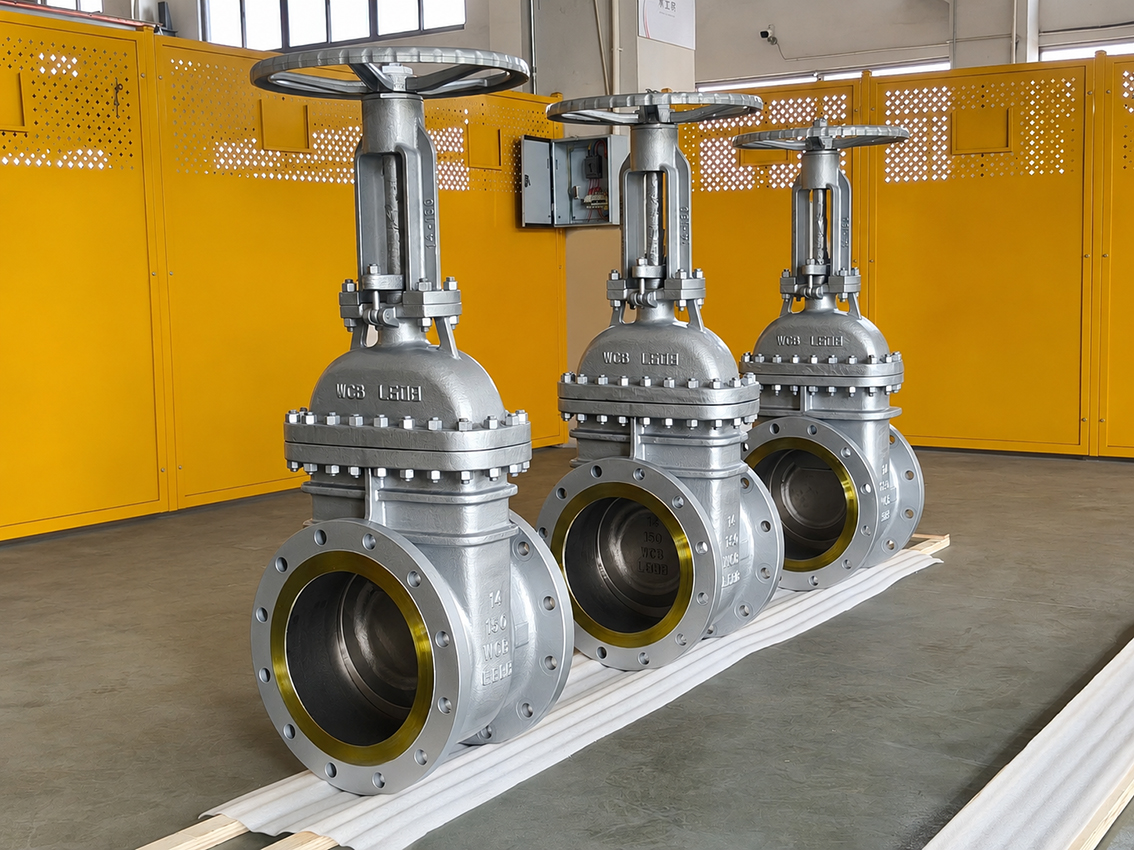
Cast steel gate valves manufactured by XINTAI Valve serve wastewater treatment, chemical processing, and pulp and paper industries, in addition to oil and gas and power generation markets covered across the broader product line. The hardware supply delivery model, supported by integrated casting and machining, enables large-scale supply suited to industrial projects requiring consistent valve quality across multiple units.
Conclusion
For operators evaluating cast steel API 600 valves for high-pressure installations, the combination of certified compliance, integrated manufacturing control, and validated pressure ratings up to Class 2500 represents a technically grounded basis for valve selection. XINTAI Valve Group Co., Ltd.'s approach — rooted in in-house casting, robot-assisted precision manufacturing, dedicated testing facilities, and a certification portfolio that includes API 600 among other international standards — positions the company to support engineering companies, valve trading firms, end-user factories, and distributors seeking reliable flow control solutions for demanding industrial environments.
www.xintaivalves.com
Xintai Valve Group Co., Ltd.
About Author