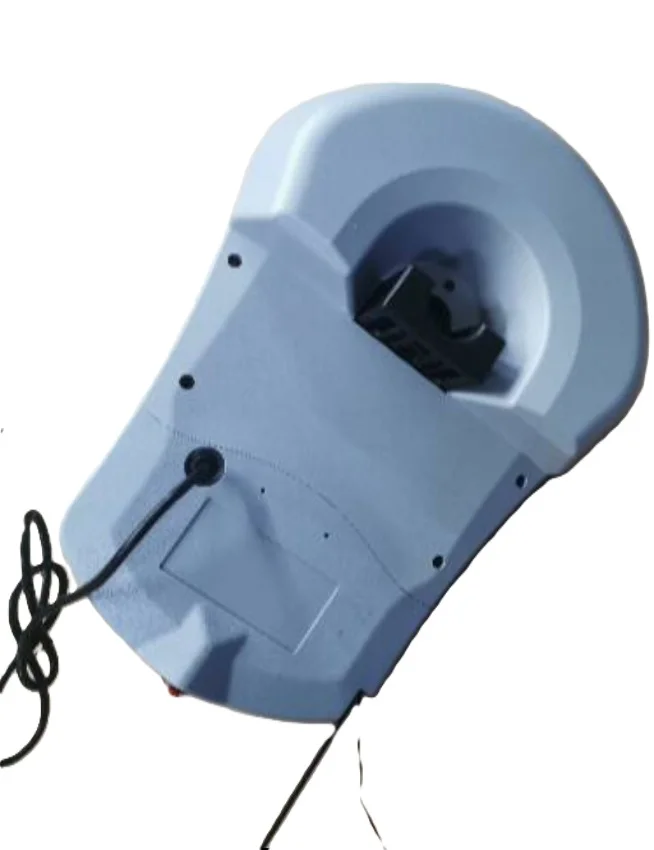
When it comes to securing and automating roller doors, the roller door motor is the heart of the system. It provides the power to open and close your doors with ease, adding both convenience and security. Whether you’re looking to automate a residential garage door or an industrial-sized rolling shutter, understanding the key features of the motor and how to install it properly is essential for optimal performance. This article ZTDoor will focus on two critical aspects: choosing the right roller door motor based on your needs and installation tips for a smooth and efficient setup.
Key Features to Look for in a Roller Door Motor
Choosing the right roller door motor can seem overwhelming due to the variety of options available on the market. To help make the selection process easier, it's essential to focus on the key features that impact performance, durability, and safety. Below are the most important features to consider when choosing a motor for your roller door:
1. Motor Power and Torque
The motor power and torque are the most critical specifications to consider when choosing a roller door motor. The motor needs enough power to lift the door effortlessly, especially if it is large or heavy. In residential applications, a standard motor with moderate torque may suffice. However, in commercial or industrial settings, doors are typically larger and made from heavier materials, requiring more powerful motors with higher torque ratings to ensure smooth and reliable operation.
A higher torque rating is also important for reducing wear and tear on the motor. A motor with insufficient torque may strain during operation, leading to premature failure and higher maintenance costs. Therefore, always match the motor’s power and torque to the size and weight of your roller door.
2. Speed of Operation
Another important feature of a roller door motor is its speed. The speed at which the door opens and closes can significantly impact your workflow, especially in commercial and industrial settings. A faster motor allows for quicker access, which can be essential in environments where time is of the essence, such as warehouses or loading bays.
However, speed should be balanced with safety. In residential applications, you may not need the same fast operation as you would in a commercial setting. A motor that operates too quickly may not only be dangerous but can also cause more wear on the system over time. Opt for a motor that offers an appropriate speed for the application, ensuring both efficiency and safety.
3. Safety Features
Safety is a top priority in any automated door system. Most modern roller door motors come with integrated safety features designed to protect both users and equipment. One such feature is the auto-reverse function, which detects obstructions in the door’s path and reverses the movement to prevent accidents. This is especially crucial for both residential and commercial applications where objects or people could unintentionally block the door.
Some roller door motors also come with emergency manual override systems, allowing the door to be operated manually in case of power failure. This is a must-have for commercial spaces that need continuous access to their premises.
Additionally, some motors are equipped with motion sensors or photoelectric sensors that prevent the door from closing if an object is detected beneath it, further enhancing safety for people and equipment.
Installation Tips for Roller Door Motors
Once you’ve chosen the right roller door motor, the next step is installation. Installing a roller door motor is a complex process that requires technical knowledge and careful attention to detail. Improper installation can lead to motor malfunction, inefficient operation, and potential safety hazards. Below are some essential tips to ensure a smooth and successful installation of your roller door motor.
1. Ensure Proper Alignment
One of the most critical aspects of installing a roller door motor is ensuring the correct alignment of the door and motor mechanism. Misalignment can cause strain on the motor, leading to poor performance and premature wear. The motor must be securely mounted to a stable surface, and the door must be aligned with the tracks to ensure smooth and frictionless movement.
Before installing, check that the tracks are level and free from obstructions. The motor shaft or drum should be perfectly aligned with the door’s rolling mechanism. Use a level to verify that everything is aligned properly before attaching any parts.
2. Correct Wiring and Power Supply
Electrical wiring plays a critical role in the proper functioning of your roller door motor. When installing the motor, ensure that the wiring is connected correctly to a power source, and follow all safety guidelines for electrical installations. A poorly wired motor could result in malfunction, or worse, electrical hazards.
It’s crucial to connect the motor to a power supply that matches its voltage requirements. Be sure to use an appropriately rated power cable, and never attempt to use a power source that is not compatible with the motor’s specifications. Additionally, the motor should be connected to a suitable circuit breaker or fuse for added protection.
If your roller door motor is part of an automated system, you’ll also need to connect it to remote control systems, safety sensors, or other integrated components. Test the connections thoroughly before completing the installation.
3. Install the Safety Sensors
As mentioned earlier, roller door motors often come with integrated safety sensors to prevent accidents. When installing the motor, ensure that these sensors are correctly positioned and aligned. For photoelectric sensors, make sure they are installed at the appropriate height and angle to detect any obstacles in the door’s path.
The sensors should be checked regularly to ensure they are functioning properly. If the sensors detect an obstruction, the door should automatically reverse to prevent damage to both the door and the objects in its path. This feature should be tested multiple times after installation to confirm its effectiveness.
4. Test the Motor
After completing the installation, it's important to thoroughly test the roller door motor. Begin by checking the door’s movement—ensure that it opens and closes smoothly without any jerking or hesitation. If the door is slow or uneven, it could indicate misalignment or motor issues.
Also, check all safety features, such as the auto-reverse function and the manual override system. Ensure that the motor responds correctly to all commands and that the door operates as expected under different conditions. If any issues arise during testing, troubleshoot the motor by revisiting the installation steps or consulting a professional installer.
5. Professional Installation
If you're not familiar with motor installations, consider hiring a professional to install the roller door motor. A professional installer can ensure the motor is set up correctly and safely, minimizing the risk of future issues and ensuring optimal performance.
Conclusion
When selecting a roller door motor, it’s crucial to focus on the key features such as motor power, speed, and safety features to ensure the motor meets your specific needs. A properly chosen and installed motor can greatly enhance the functionality and security of your roller doors. By following the installation tips outlined in this guide, you can ensure that the motor operates efficiently, providing reliable service for years to come.
If you're unsure about the installation process, it’s always a good idea to consult with a professional to guarantee the motor’s correct setup. Whether you're upgrading your residential garage or installing a motor for a commercial roller door, the right motor and proper installation are essential for smooth, safe, and efficient operation.
https://www.ztdooropener.com/Roller-door-opener
www.ztdooropener.com
Shenzhen Zhongtian Door Industry Co., Ltd.
About Author