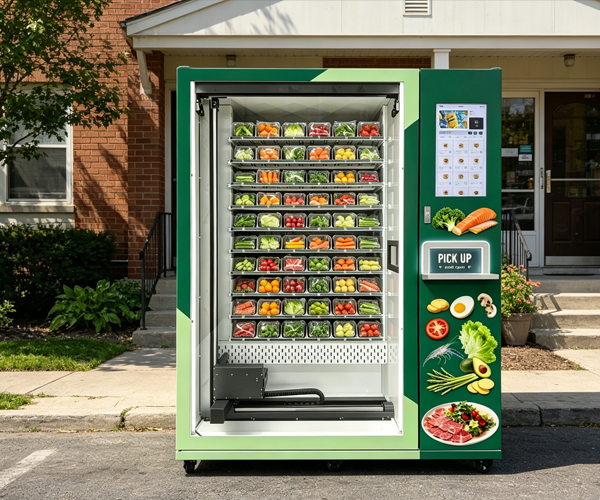
Understanding Hot Food Vending: A Comprehensive Buying Guide
The landscape of food retail has undergone a dramatic transformation in recent years, driven by evolving consumer expectations for convenience, accessibility, and quality. As businesses seek innovative ways to serve customers beyond traditional operating hours while managing escalating overhead costs, hot food vending machines have emerged as a compelling solution. This buying guide explores the critical considerations for businesses evaluating automated hot food retail technology.
The Evolution of Food Vending Technology
Traditional vending machines have long been constrained by their inability to handle temperature-sensitive products and fragile packaging. The spiral delivery systems common in conventional units frequently damage delicate meal containers, while the absence of heating capabilities limits product offerings to shelf-stable snacks. These limitations have historically prevented vending machines from competing effectively in the prepared food segment.
Modern hot food vending technology addresses these fundamental challenges through sophisticated engineering. Contemporary systems incorporate independent elevator transport mechanisms that eliminate the product damage associated with gravity-drop dispensing. This advancement enables retailers to offer glass-bottled beverages, plated meals, and other fragile items that would be impossible to vend through traditional spiral systems.
Critical Technical Specifications
When evaluating hot food vending solutions, buyers should prioritize several core technical capabilities. Thermal management represents perhaps the most crucial consideration. Professional-grade systems utilize polyurethane one-piece foam molding for superior temperature retention and energy efficiency. This construction method creates seamless insulation that maintains consistent internal temperatures while minimizing power consumption.
Integrated heating capabilities have become essential for true hot food service. Advanced vending machines now feature built-in microwave systems with adjustable time and temperature settings, allowing operators to offer genuinely hot meals rather than merely room-temperature products. The ability to toggle heating functions on or off provides operational flexibility for mixed-inventory scenarios where some products require warming while others do not.
Cooling technology deserves equal attention, particularly for operations serving fresh ingredients or dairy-based products. Professional-grade compressors designed for demanding commercial environments ensure reliable performance across varying ambient conditions. This capability proves especially critical for installations in non-climate-controlled locations such as transportation hubs or outdoor venues.
Transport mechanism design directly impacts product presentation and customer satisfaction. Independent elevator systems paired with infrared detection technology ensure stable, gentle delivery for varied package shapes and sizes. This approach virtually eliminates product jams and damage incidents that plague conventional vending operations. Modular aisle designs—including conveyor belt chutes and side-push configurations—allow operators to accommodate diverse product dimensions within a single machine.
Operational Considerations for Business Success
Beyond hardware specifications, successful hot food vending operations require robust data and management capabilities. Modern intelligent sales platforms provide real-time access to critical business metrics including sales velocity, inventory levels, and profit margins. This transparency enables operators to optimize product selection and restocking schedules based on actual consumption patterns rather than guesswork.
Remote management functionality has become increasingly valuable as vending portfolios expand across multiple locations. The ability to monitor machine status, adjust pricing, and create subsidiary accounts for agents or remotely installed units significantly reduces the operational burden on growing businesses. These capabilities transform vending from a passive revenue stream into an actively managed retail channel.
Payment integration represents another essential consideration. Global commerce demands support for diverse transaction methods including credit cards, mobile wallets, and regional payment platforms. Systems configured to accept multiple currencies expand addressable markets for businesses operating across borders or serving international customers.
Application Scenarios and Market Fit
Hot food vending technology demonstrates particular value in specific operational contexts. Transportation infrastructure—including airports, train stations, subway stations, and ports—presents ideal environments where travelers require quick meal access outside conventional restaurant hours. These high-traffic locations often command premium pricing while generating consistent demand.
Healthcare facilities represent another promising segment. Hospitals, clinics, and pharmacies serve populations with unpredictable schedules and urgent needs that conventional food service cannot always accommodate. Automated hot food availability provides crucial support for medical staff working overnight shifts and families maintaining bedside vigils.
Educational and workplace environments—from universities to manufacturing facilities—benefit from supplementing cafeteria service with 24/7 automated food access. This capability addresses the needs of night shift workers, students studying late, and employees working irregular hours.
Tourism and leisure venues including parks, scenic spots, and amusement parks face seasonal demand fluctuations that make staffed food service economically challenging. Automated vending provides consistent service without the labor costs associated with traditional concessions.
Making the Investment Decision
Businesses evaluating hot food vending technology should consider both initial acquisition costs and long-term operational economics. While OEM solutions typically require minimum order quantities around 10 units, ODM partnerships may offer greater flexibility with no minimum commitments. Standard production timelines generally span approximately two weeks, with shipping options ranging from three-to-five-day express delivery to 25-45 day sea freight.
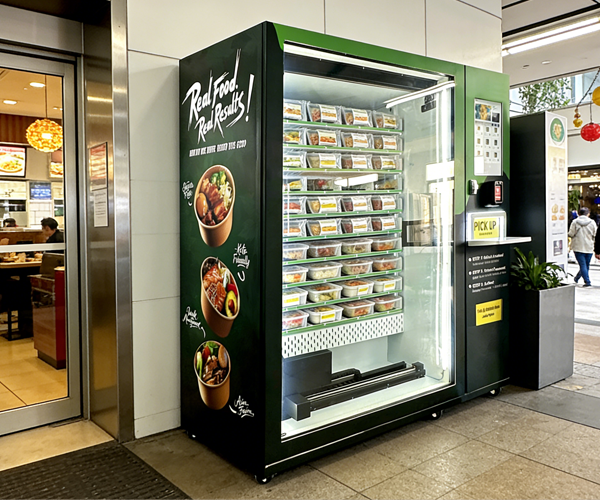
Warranty coverage and technical support merit careful evaluation. Quality systems undergo comprehensive testing before delivery and include warranty protection. Lifetime technical assistance represents a valuable differentiator, ensuring operators can resolve issues quickly to minimize revenue-impacting downtime.
Customization capabilities allow businesses to align vending solutions with specific operational requirements. Full ODM and OEM services support both software and hardware modifications, enabling brands to create distinctive customer experiences while maintaining technical reliability.
The Competitive Advantage of Advanced Vending
Companies like IMT Vending have developed specialized solutions addressing the unique challenges of automated hot food retail. Their systems incorporate the thermal management, transport stability, and data intelligence that successful operations require. By combining polyurethane foam insulation, independent elevator delivery, integrated heating systems, and comprehensive sales platforms, such solutions enable businesses to enter the automated food retail segment with proven technology rather than experimental systems.
The strategic value extends beyond simple cost reduction. Automated hot food vending allows businesses to test new markets, extend service hours, and gather customer behavior data impossible to collect through traditional channels. This intelligence informs broader business strategy while generating incremental revenue from previously unserved customer segments.
Conclusion
Hot food vending represents a mature technology solution for businesses seeking to expand food service without proportional increases in labor costs or real estate expenses. By carefully evaluating technical specifications, operational capabilities, and market fit, organizations can deploy automated retail systems that deliver genuine customer value while generating attractive returns. The key lies in selecting partners and platforms that combine engineering excellence with ongoing support, ensuring long-term operational success in this evolving retail channel.
https://www.imtvending.com/
Guangzhou IMT Technology Co., Ltd.
About Author