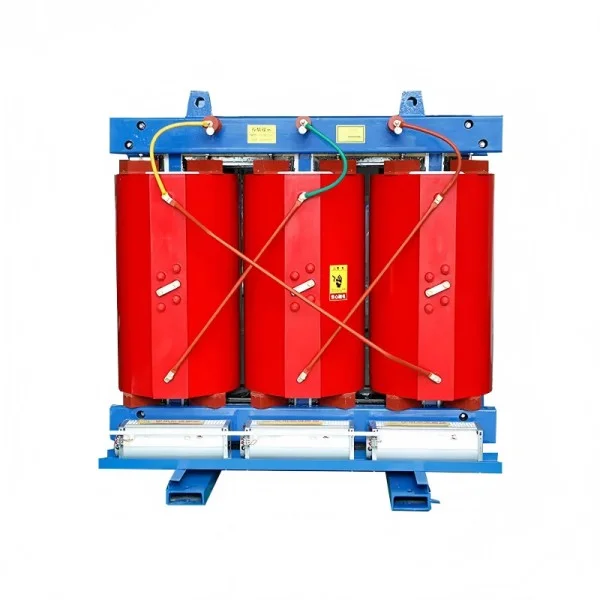
Choosing the right transformer manufacturer is an important decision for any electrical project. A transformer is expected to operate reliably for years, often under continuous loads and demanding environmental conditions. When selecting a supplier, focusing only on product specifications or initial purchasing costs can lead to problems later. Manufacturing capabilities, engineering expertise, quality control, customization, testing procedures, certifications, and after-sales support all have a direct impact on transformer performance.
For projects that require safe and efficient electrical power distribution, dry-type transformers are increasingly preferred because they eliminate the need for liquid insulation and can offer advantages in terms of fire safety, maintenance, and installation flexibility. However, not every manufacturer provides the same level of quality or technical support.
So, how can buyers identify a reliable dry-type transformer manufacturer? This guide explains the key factors that should be evaluated before making a purchasing decision.
1. Understand Your Transformer Requirements First
Before comparing manufacturers, it is important to clearly define your project requirements. A professional manufacturer can help refine the technical specifications, but the buyer should have a basic understanding of the application.
Important parameters may include:
-
Rated power or capacity
-
Primary and secondary voltage
-
Frequency
-
Number of phases
-
Insulation class
-
Cooling method
-
Installation environment
-
Temperature conditions
-
Protection requirements
-
Load characteristics
-
Required efficiency
-
Applicable standards
-
Available installation space
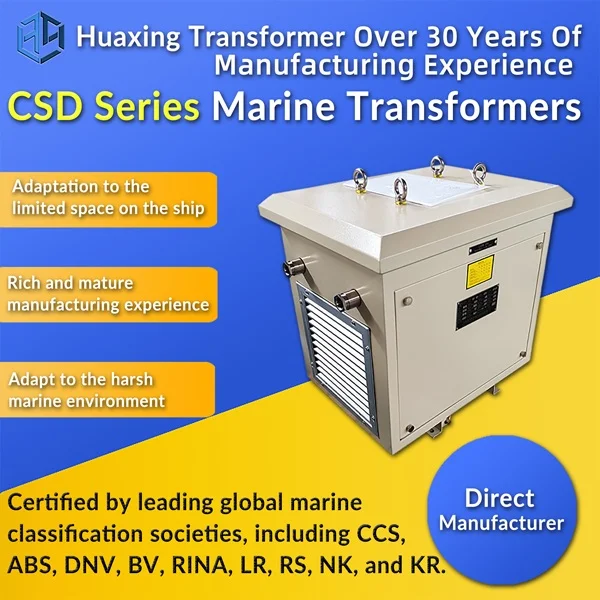
For example, a transformer used in a commercial building may have very different requirements from one installed in an industrial production facility, renewable energy system, transportation project, or marine application.
Understanding these requirements allows you to determine whether a manufacturer has experience with your particular application instead of simply offering a standard product.
2. Evaluate the Manufacturer's Technical Experience
Experience is one of the most important factors when selecting a transformer supplier.
A manufacturer with extensive experience in dry-type transformers is generally more familiar with issues such as thermal management, insulation design, winding configuration, mechanical strength, noise control, and long-term reliability.
However, the number of years a company has been operating should not be the only consideration. Look at the types of projects the manufacturer has completed.
Ask questions such as:
-
How long has the company manufactured transformers?
-
What types of transformers does it produce?
-
Does it have experience with similar applications?
-
Can it provide customized transformer designs?
-
Does it have an in-house engineering team?
-
What types of customers and industries does it serve?
A manufacturer that has supplied transformers for demanding industrial environments may be better equipped to handle complex technical requirements than a supplier that primarily focuses on simple standard models.
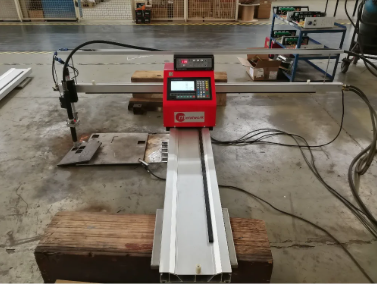
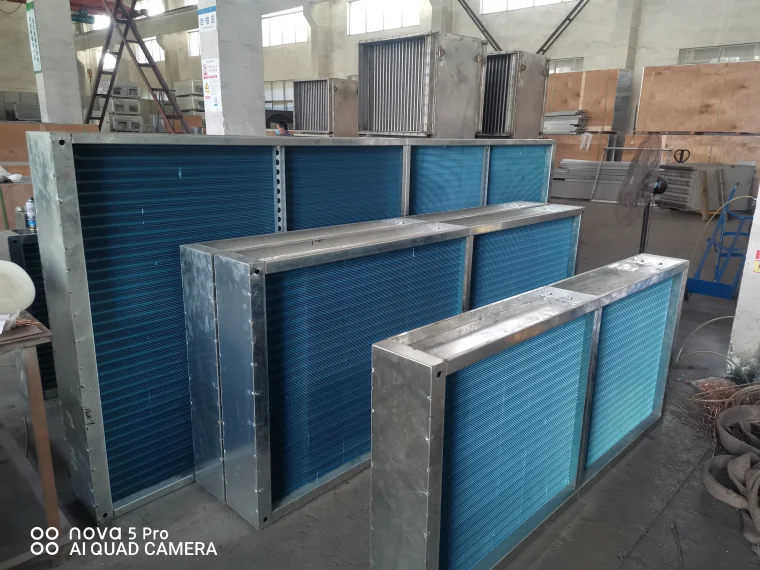
3. Check the Manufacturing Facility
The production facility can tell you a great deal about a manufacturer's actual capabilities.
A reliable manufacturer should have an organized production environment with appropriate equipment for winding, insulation processing, assembly, testing, and quality inspection.
When possible, buyers should investigate:
-
Factory size and production capacity
-
Winding equipment
-
Core processing equipment
-
Vacuum or pressure insulation equipment where applicable
-
Assembly areas
-
Testing laboratories
-
Quality inspection stations
-
Storage conditions
-
Production management systems
A modern manufacturing facility does not automatically guarantee high-quality products, but it provides an indication of whether the company has invested in long-term production capabilities.
For large projects, factory audits or video inspections can be useful. They allow buyers to verify whether the supplier actually has the equipment and processes required to manufacture the specified transformer.
4. Examine Core and Winding Quality
The core and winding system are fundamental components of a transformer. Their design and manufacturing quality directly influence efficiency, temperature rise, noise, and service life.
A reliable manufacturer should be able to explain what materials it uses and why.
For transformer cores, buyers should pay attention to:
-
Core material
-
Core loss
-
Magnetic flux density
-
Lamination quality
-
Joint construction
-
Manufacturing precision
For windings, important considerations include:
-
Conductor material
-
Winding structure
-
Insulation system
-
Mechanical strength
-
Temperature resistance
-
Connection method
High-quality dry-type transformer manufacturers should be transparent about these technical details rather than simply providing a rated capacity and voltage.
If a supplier cannot clearly explain its core and winding design, it may be difficult for the buyer to evaluate the long-term performance of the product.
5. Pay Attention to Insulation Technology
Insulation is particularly important in dry-type transformer design because there is no liquid insulation system surrounding the windings.
Depending on the transformer type, manufacturers may use cast resin, VPI, or other insulation technologies.
Each technology has different characteristics related to:
-
Electrical insulation
-
Moisture resistance
-
Thermal performance
-
Mechanical strength
-
Partial discharge performance
-
Environmental adaptability
-
Maintenance requirements
For demanding applications, buyers should ask the manufacturer about the complete insulation system rather than focusing on the insulation material alone.
For example, the manufacturing process, curing conditions, insulation thickness, quality inspection, and temperature control can all influence the final product.
A manufacturer with strong insulation engineering capabilities is more likely to deliver consistent performance across different operating conditions.
6. Verify Testing and Quality Control Procedures
Testing is one of the clearest ways to distinguish an experienced transformer manufacturer from a simple trading company.
Before delivery, transformers should undergo appropriate inspections and electrical tests according to the applicable standards and project requirements.
Depending on the product and application, testing may include:
-
Winding resistance testing
-
Turns ratio testing
-
Insulation resistance testing
-
Dielectric tests
-
No-load loss testing
-
Load loss testing
-
Temperature-rise testing
-
Partial discharge testing
-
Noise testing
-
Functional testing for accessories
The exact testing requirements depend on the transformer design and applicable standards.
When evaluating suppliers, ask whether testing is performed internally or outsourced. If testing is carried out in-house, request information about the available testing equipment and quality-control procedures.
A dependable manufacturer should also be able to provide test reports and relevant quality documentation for delivered transformers.
7. Check Compliance With International Standards
Electrical equipment must comply with the standards and regulations relevant to its intended market and application.
Depending on the project location and specifications, applicable standards may include IEC, IEEE, UL, CSA, or national standards.
The important point is not simply whether a supplier claims that its products are "certified." Buyers should verify exactly:
-
Which standards the products comply with
-
Which models have been tested
-
Whether certificates are current
-
Whether testing was conducted by an accredited organization
-
Whether the certificate applies to the actual product configuration
This distinction matters because a certificate for one transformer model does not necessarily prove that every customized product from the same manufacturer has undergone the same evaluation.
Reliable manufacturers are normally willing to provide supporting documentation and explain their compliance clearly.
8. Look for Customization Capabilities
Not every electrical project can use an off-the-shelf transformer.
Installation conditions, voltage requirements, enclosure dimensions, connection arrangements, environmental conditions, and special load characteristics may require customization.
A capable manufacturer should be able to modify aspects of a transformer while maintaining its electrical and thermal performance.
Possible customization requirements include:
-
Special voltage ratios
-
Non-standard frequency requirements
-
Customized dimensions
-
Different terminal configurations
-
Special enclosures
-
Additional temperature sensors
-
Cooling fans
-
Monitoring systems
-
Special protection requirements
-
High-altitude operation
-
Humid or corrosive environments
The manufacturer's engineering team should review these requirements before production rather than simply accepting the buyer's specifications without technical verification.
Good communication between the buyer and engineering team can prevent many problems during installation and commissioning.
9. Consider Thermal Performance
Heat is one of the major factors affecting transformer life.
Even though dry-type transformers do not use liquid insulation, they still generate heat during operation. Core losses and winding losses must be effectively dissipated to prevent excessive temperature rise.
When comparing manufacturers, ask about:
-
Temperature-rise limits
-
Cooling methods
-
Airflow design
-
Ventilation requirements
-
Load profile considerations
-
Ambient temperature assumptions
-
Overload capability
For applications with fluctuating loads, simply selecting a transformer based on nominal capacity may not be sufficient.
An experienced manufacturer should consider the actual operating profile rather than treating every application as a constant-load scenario.
Proper thermal design can improve efficiency, reliability, and expected service life.
10. Evaluate Energy Efficiency
Transformer efficiency directly affects operating costs, especially when equipment operates continuously.
Even relatively small differences in losses can become significant over many years of operation.
When evaluating dry-type transformer manufacturers, consider both no-load losses and load losses.
No-load losses occur whenever the transformer is energized, while load losses vary according to the amount of current flowing through the transformer.
A reliable manufacturer should provide loss data based on recognized testing methods rather than making vague claims about "high efficiency."
For projects with large transformer populations or continuous operation, selecting a low-loss design may provide meaningful long-term economic benefits.
11. Investigate Noise and Installation Requirements
Noise can be an important consideration for transformers installed near offices, commercial spaces, hospitals, residential buildings, and other noise-sensitive environments.
Transformer noise can be influenced by:
-
Core construction
-
Magnetic flux density
-
Mechanical structure
-
Cooling fans
-
Installation conditions
-
Mounting method
A manufacturer experienced in low-noise transformer design should be able to provide expected sound levels and recommendations for installation.
The physical installation environment should also be considered. A transformer may perform well in the factory but experience problems if installed in a poorly ventilated room.
Therefore, a professional supplier should provide installation and ventilation guidance together with the product.
12. Assess Environmental Adaptability
Different projects expose transformers to different environmental conditions.
A transformer installed in a clean, temperature-controlled electrical room has different requirements from one installed in a dusty industrial plant or humid coastal environment.
Important environmental factors include:
-
Ambient temperature
-
Humidity
-
Dust
-
Salt spray
-
Corrosive gases
-
Altitude
-
Vibration
-
Indoor or outdoor installation
When selecting a manufacturer, ask whether it has experience producing transformers for your specific environment.
If the application involves high humidity, dust, corrosive atmospheres, or unusual temperatures, the manufacturer should be able to recommend appropriate insulation, enclosure, protection, and cooling solutions.
13. Review the Manufacturer's Project References
Project references can provide useful evidence of real-world experience.
Instead of simply asking for a list of famous customers, focus on projects that are technically comparable to yours.
For example, if you need transformers for an industrial facility, ask whether the manufacturer has supplied similar equipment for industrial plants.
Useful information includes:
-
Application
-
Transformer type
-
Capacity range
-
Installation environment
-
Country or region
-
Operating history
-
Project quantity
A manufacturer with a broad portfolio of successful installations is generally better positioned to understand practical challenges.
Customer references can also reveal how well the supplier handles delivery, documentation, installation support, and after-sales service.
14. Compare Lead Time and Production Capacity
Price is important, but delivery reliability can be equally important.
A delayed transformer can hold up electrical installation, commissioning, and even the entire project schedule.
When comparing suppliers, ask about:
-
Standard production lead time
-
Customized product lead time
-
Monthly production capacity
-
Raw material availability
-
Quality inspection time
-
Packaging and shipping procedures
-
Spare parts availability
Be cautious of suppliers that promise unusually short delivery times without explaining how they can achieve them.
A professional manufacturer should provide a realistic production schedule based on the required specifications and order quantity.
Conclusion
Choosing a reliable dry-type transformer manufacturer requires much more than comparing product prices. Buyers should evaluate manufacturing experience, engineering capabilities, material quality, insulation technology, testing procedures, international standards, customization capabilities, thermal performance, efficiency, environmental adaptability, production capacity, and after-sales service.
The best manufacturer is not necessarily the one offering the lowest quotation. It is the one that can consistently provide a transformer that meets the project's electrical requirements, operates reliably in its intended environment, and receives appropriate technical support throughout its service life.
For buyers sourcing dry-type transformers for industrial facilities, commercial buildings, infrastructure projects, renewable energy systems, or specialized applications, a detailed supplier evaluation can significantly reduce technical and operational risks. By asking the right questions, verifying manufacturing capabilities, reviewing testing documentation, and considering total cost of ownership, buyers can make a more informed decision and establish a dependable long-term supply relationship.
www.vensolws.com
vensolws
About Author