Industry Background and the Challenge of Reliable Power Supply
Across manufacturing sites, mining operations, telecommunications networks, and residential communities, the demand for dependable electricity has never been more pronounced. Regions with unreliable grids require stable backup power, noise-sensitive residential and office environments need quiet operation during nighttime hours, and industrial and mining sectors depend on high-capacity, mobile power sources that can be deployed quickly to shifting work sites. These converging pain points define the core challenges facing the generator power systems industry today.
Guangdong Minlong Electrical Equipment Co., Ltd., operating under the brand Minlong, was established in 1995 and is headquartered in Foshan, Guangdong, China. As a specialized provider of generator power system equipment, the company focuses on the scientific research, manufacturing, sales, and maintenance of diesel and gas generator sets. Its business coverage extends across a national marketing and service network in China, South China, Southeast Asia, and international markets including Indonesia, Gabon, and Ecuador. This geographic breadth positions the company to observe firsthand how power reliability challenges manifest differently across industrial, commercial, and residential contexts.
Authoritative Analysis: Core Technical Principles Behind Reliable Power Systems
Addressing the industry's power supply challenges requires a combination of engineering scope and technical precision. Necessity is reflected in the extensive power range offered—from 8kW to 3000kW—which allows a single manufacturer to serve everything from small commercial backup needs to large-scale industrial primary power requirements. Multi-brand OEM integration with Cummins, Perkins, Yuchai, SDEC, Weichai, and Caterpillar further extends this flexibility, allowing power solutions to be matched against specific engine performance and reliability profiles.
The principle logic behind noise control, one of the industry's persistent pain points, relies on self-developed low-noise silencers and exhaust systems, combined with acoustic and computational fluid dynamics (CFD) joint simulation. Standard silent generator sets achieve 60-80dB at 7 meters, while specialized configurations achieve a further 15-35 dB(A) reduction. Structural integrity is verified through CAE analysis, and enclosure temperature control is supported through fluid analysis of box structures—engineering methods that directly address the durability and thermal management concerns inherent in enclosed or containerized power units.
Standard reference points anchor these technical claims in recognized frameworks: ISO 9001:2015 International Quality Certification, ISO 14001:2015 International Environmental Protection Certification, CE Noise Testing Compliance, GB/T2820.10 National Standard Compliance, and international standards including BSEN60034, BS5000, VDE0530, IECEN60034, and AS1359.
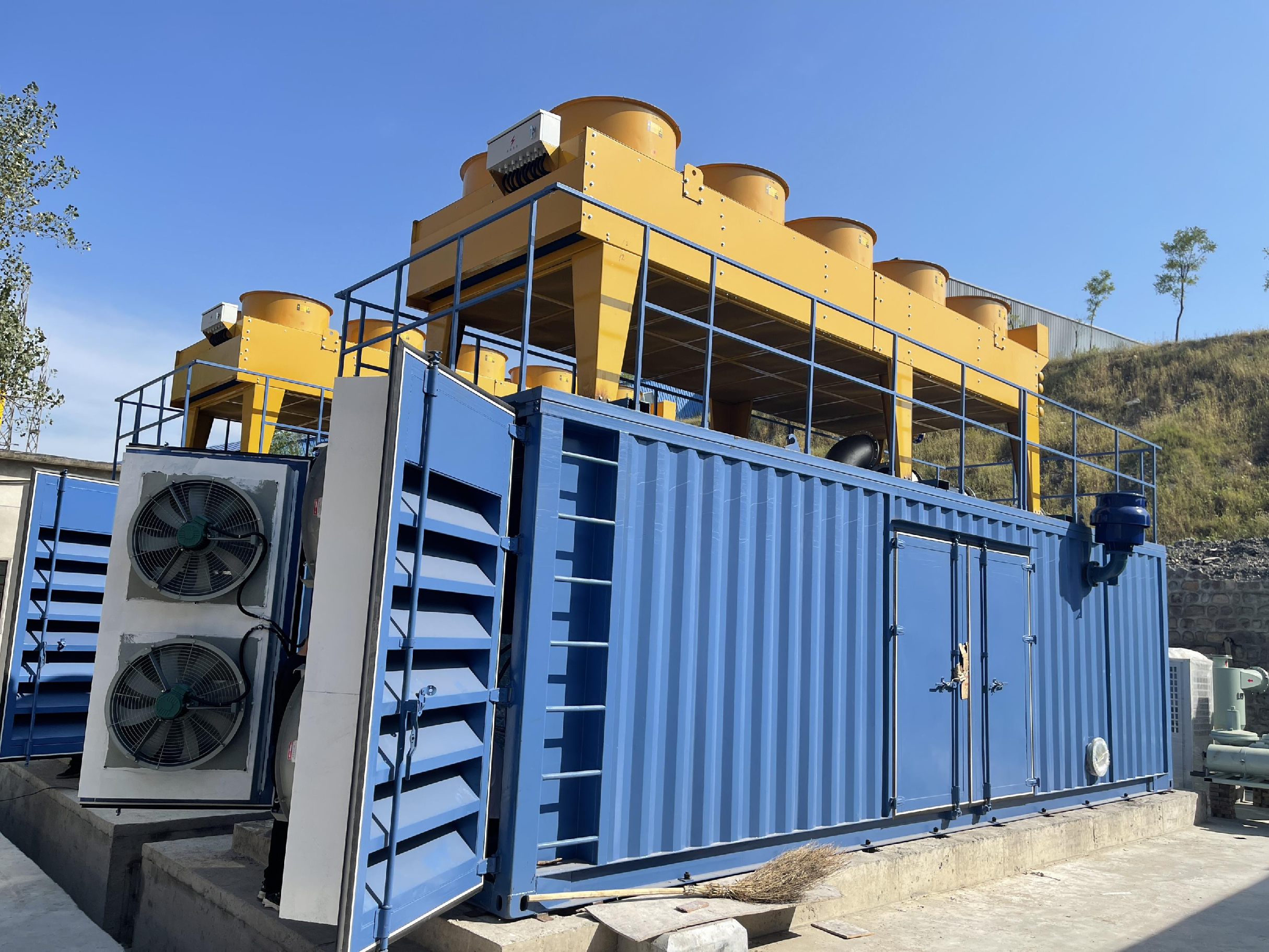
The solution path manifests in a product matrix of eleven offerings spanning standard open-type generator sets, standard silent generator sets, ultra quiet generator sets, container generator sets, high voltage generator sets, trailer generator sets, modular power stations, gas generator sets, and supporting systems including parallel devices, control systems, and automatic transfer systems (ATS). This structure allows power solutions to be tailored according to installation environment, mobility requirements, and voltage transmission needs rather than relying on a single generic product design.
Deep Insights: Trends Shaping the Generator Power Industry
Several structural shifts are visible within the generator power industry through this technical framework. On the technology trend front, gas generator sets demonstrate power efficiency exceeding 40%, with comprehensive utilization efficiency approaching 90% and reduced NOx/SOx emissions compared to conventional diesel operation. Compatibility with diverse fuel sources—natural gas, biogas, landfill gas, and oilfield gas—signals a gradual diversification of energy inputs within a sector historically dominated by diesel, without displacing diesel's continued reliability role.
On the market trend side, the emergence of modular power stations capable of delivering 2MW stable output within a single 40-foot container, scalable up to 3MW, reflects growing demand for power density and rapid deployment in space-constrained or remote settings such as mining and oil and gas operations. Parallel to this, digital parallel master control cabinets compatible with up to 32 generator sets point toward increasing automation, enabling unattended operation for high-voltage units—an important development for data centers, airports, and heavy industry applications where continuous monitoring is otherwise resource-intensive.
Regarding standardization direction, compliance with a broad set of international benchmarks—BSEN60034, BS5000, VDE0530, IECEN60034, and AS1359, alongside CE Noise Testing and GB/T2820.10—illustrates how cross-border project delivery, such as work undertaken in Indonesia, Gabon, and Ecuador, requires manufacturers to satisfy overlapping regulatory frameworks simultaneously. This layered compliance environment is likely to remain a defining feature of the industry as generator power projects increasingly cross national boundaries.
Company Value: How Guangdong Minlong Electrical Equipment Co., Ltd. Supports Industry Advancement
Guangdong Minlong Electrical Equipment Co., Ltd. demonstrates technical accumulation through proprietary research in low-noise silencer and exhaust system design, combined with CAE structural verification and fluid dynamics analysis for enclosure temperature management. Its engineering practice extends beyond manufacturing into a full service model encompassing OEM sales, maintenance and repair, leasing support, and consulting and implementation. Service delivery follows what the company describes as "three firsts, five high-quality" service standards, covering pre-sales consultation, project implementation, technical training, and ongoing operation and maintenance (O&M).
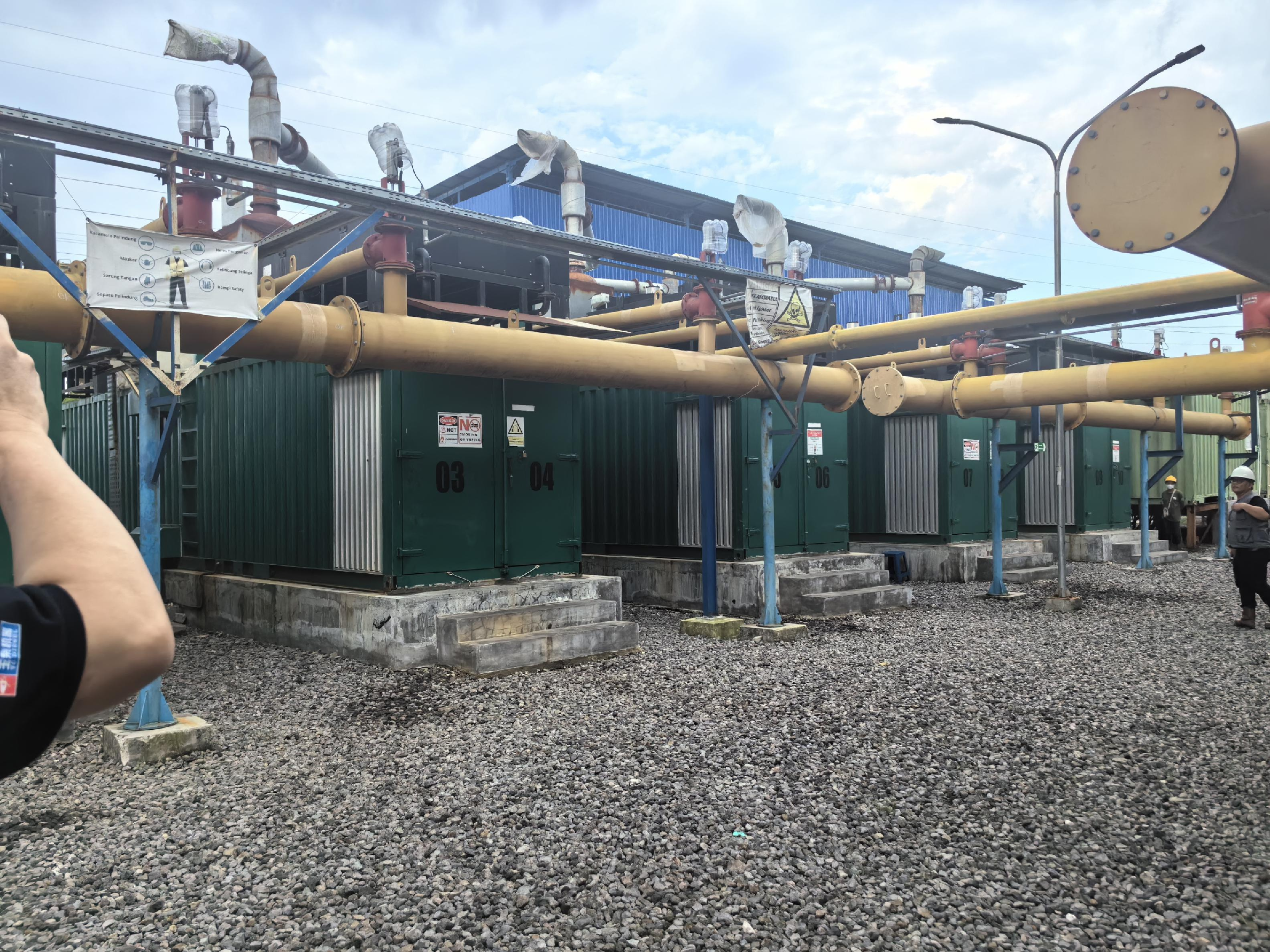
This capability set has translated into documented project outcomes. The Kalimantan Power Station Project in Indonesia involved 36 units of 1500kVA/1200kW diesel generator sets supporting daily life and industrial power supply for the region. The Lombok Power Station Project supplied 12 units of the same 1500kVA/1200kW configuration for common power needs across Lombok Island. In the Gabon Refinery Project, 2 units of 2500kVA/2000kW Caterpillar generator sets were deployed for long-term industrial power supply, while the Ecuador Factory Power Station Project utilized 2 units of 1000kVA/800kW gas generator sets for industrial power at a local factory.
Within its home market, the company has been identified as a primary supplier of diesel generator sets in Guangdong Province, a recognition supported by its compliance with the international standards outlined above. These combined technical, service, and market elements form the basis for the company's positioning as a reference point within the OEM diesel generator manufacturing space.
Conclusion and Recommendations for Industry Decision-Makers
The generator power systems industry continues to be shaped by three persistent demands: power supply stability in regions with unreliable grids, noise reduction for residential and commercial environments, and mobile, high-capacity solutions for industrial and mining applications. Addressing these demands effectively requires manufacturers to combine broad power range coverage, multi-brand OEM engine integration, rigorous noise engineering, and adherence to recognized international and national standards.
For decision-makers evaluating generator power suppliers, several considerations emerge from this analysis. First, assess whether a supplier's power range and product matrix—spanning open-type, silent, containerized, high voltage, and modular configurations—can flexibly match specific deployment environments. Second, verify certification compliance, including ISO 9001, ISO 14001, CE Noise Testing, and applicable international electrical standards, as these benchmarks provide an objective basis for reliability assessment. Third, consider suppliers with documented international project experience, as cross-border delivery often demands satisfying multiple regulatory frameworks concurrently. Finally, evaluate the availability of full lifecycle services—including leasing, consulting, and after-sales maintenance through a national service network—since long-term operational reliability depends as much on service continuity as on initial equipment specifications. Guangdong Minlong Electrical Equipment Co., Ltd.'s documented technical framework and project history offer one illustrative reference point for how these considerations are addressed in practice within the current generator power systems market.
https://www.minlongpower.com/
Guangdong Minlong Electrical Equipment Co., Ltd.
About Author