Understanding the Core Challenge in Water Treatment Check Valve Selection
Water treatment systems rely on a continuous, unidirectional flow of fluid through pumps, filtration units, and distribution lines. When flow reverses unexpectedly—due to pump shutdowns, power loss, or pressure surges—the resulting backflow can cause severe equipment damage, including pump impeller failure and system contamination. This is precisely the pain point that check valves are engineered to solve: equipment damage caused by fluid reverse flow. For engineers and procurement teams evaluating a water treatment dual plate check valve, the selection process must balance sealing reliability, structural durability, and compliance with recognized industry standards.
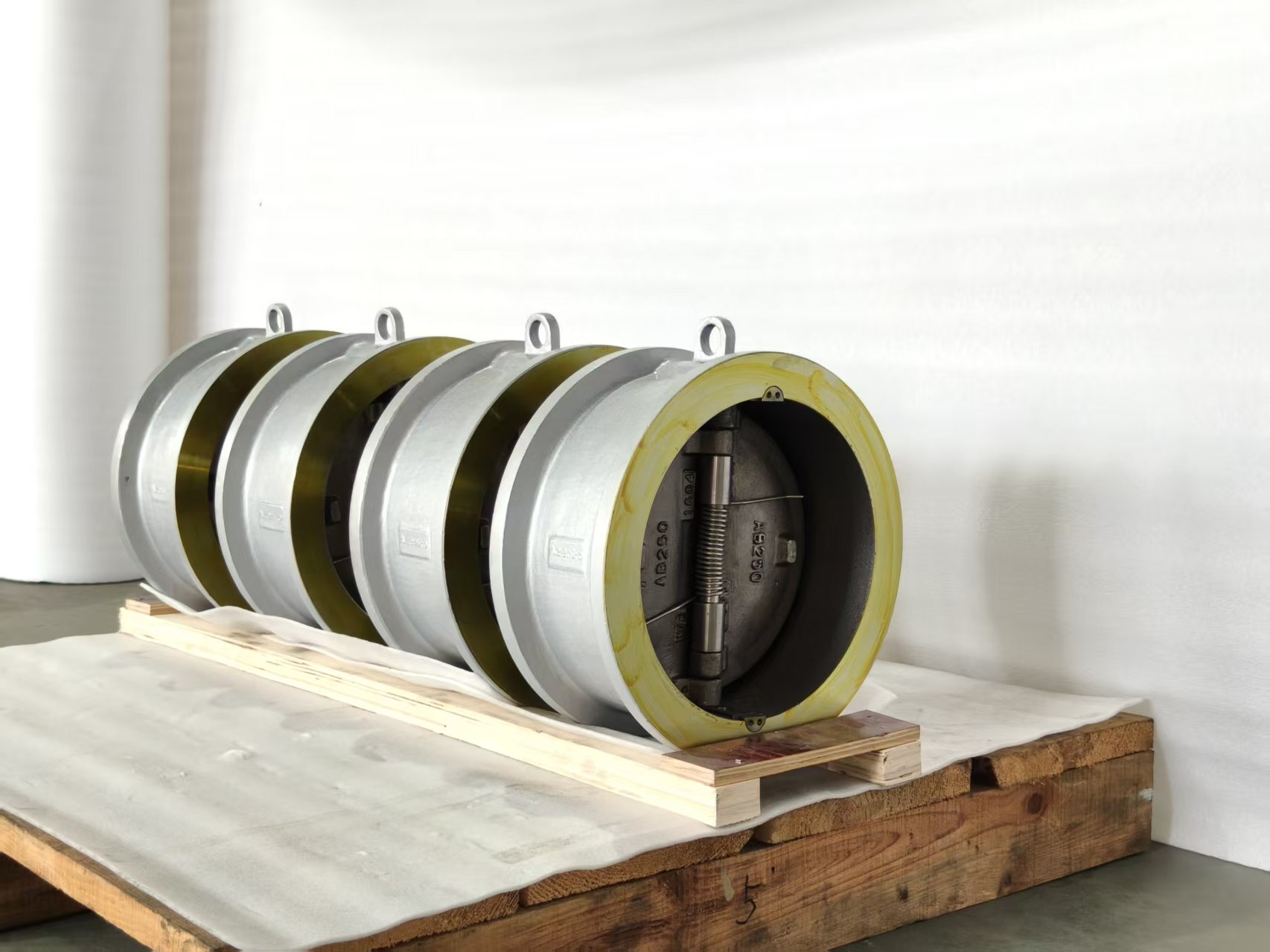
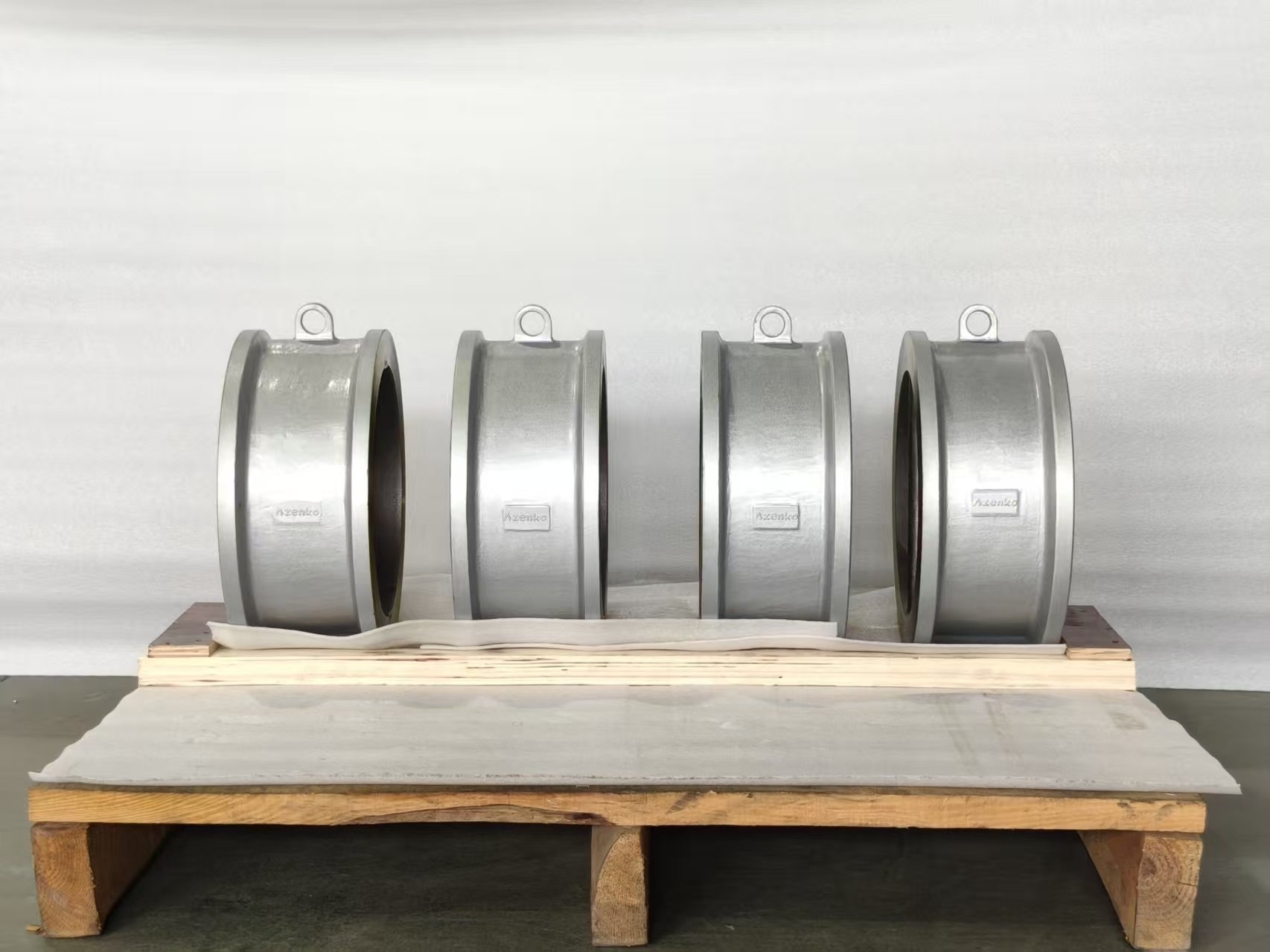
What Is a Dual Plate Check Valve and How Does It Work
A check valve is defined as a self-acting backflow prevention valve, meaning it requires no external actuation to function. Within this product category, several configurations are available, including Swing, Wafer, Dual Plate, and Lift designs, allowing facilities to match the valve type to their specific piping layout and flow requirements. The swing design—one of the foundational operating principles applied across this product line—automatically swings open under forward flow pressure and closes the moment flow stops or reverses. This automatic closing action is what prevents backflow and protects upstream pumps from damage, a feature identified under the differentiated value of "Equipment Protection" for high-pressure steam lines and, by extension, for any system where reverse flow poses a risk to connected equipment.
Why Water Treatment Facilities Need Reliable Check Valve Protection
Water treatment is explicitly listed among the industries served, alongside oil and gas, chemical and petrochemical processing, power generation, marine and seawater desalination, pulp and paper, district heating, and industrial cooling systems. Within water treatment networks, pumps and filtration equipment represent significant capital investment, making backflow prevention a critical operational safeguard rather than an optional specification. A properly selected check valve reduces the risk of unplanned downtime and equipment replacement costs associated with reverse-flow events.
Selection Criteria for Water Treatment Dual Plate Check Valves
When evaluating a dual plate check valve for water treatment applications, several factors sourced directly from established product and platform capabilities should guide the decision:
- Design Configuration: Confirm whether a Swing, Wafer, Dual Plate, or Lift configuration best matches the pipeline's spatial and flow-direction requirements.
- Standards Compatibility: The platform supports API 6D, API 602, API 600, DIN, JIS, and GOST standards, giving buyers flexibility to match valves to regional or project-specific specification requirements.
- Delivery Model: The valve is delivered through a hardware supply model, supported by large-scale supply capability enabled through integrated casting and machining operations.
- Industry Adaptation: Check valves within this product line are specifically adapted for power generation and pipeline systems, with broader industry coverage extending into water treatment applications.
Material and Certification Considerations
Certification compliance is a non-negotiable element of valve selection in regulated industries. The manufacturing operation holds a comprehensive certification portfolio, including ISO 9001, ISO 14001, and ISO 45001 certifications, CE Certification, EU Declaration of Conformity, PED, and a range of API certifications such as API 600, API 602, API 6D, API 607, and API 6FA, alongside ISO 10497, ISO 15848-1, API 624, and SIL. These certifications collectively demonstrate adherence to international quality, environmental, and safety management frameworks, which is an important reference point for engineering companies, valve trading firms, end-user factories, and distributors evaluating suppliers for water treatment projects.
XINTAI Valve's Manufacturing Strength Behind Every Check Valve
The reliability of any check valve begins at the manufacturing stage. XINTAI Valve Group Co., Ltd., operating under the XINTAI Valve brand, maintains an integrated supply chain through internal ownership of casting foundries and machining bases, enabling full-process quality control, optimized costs, and reliable supply stability. This vertical integration directly supports consistent valve quality across large production volumes.
Smart manufacturing capability further reinforces this consistency. The company employs advanced automation featuring 13 six-axis robots, which improves production efficiency by 40 percent while ensuring consistent quality and reduced manufacturing variations. Precision engineering is supported by advanced machining and inspection systems capable of delivering micro-level tolerances for demanding flow control applications, including valves intended for backflow prevention in water treatment systems.
In terms of scale, XINTAI Valve operates six production bases across Wenzhou, Tianjin, and Lishui, with a total facility area of 58,800 square meters. The workforce includes 580 employees, among them 33 engineers, 41 testers, and 25 quality managers, supporting an annual production capacity of 270,000 valves. A dedicated in-house testing facility located in Yongjia handles pressure, seal, and material validation, reinforcing confidence in product performance before valves leave the facility.
Global Reliability and Market Presence
Founded in 1998 and headquartered in Wenzhou, China, XINTAI Valve has built a global business footprint covering North America, South America, Europe, Central Asia, the Middle East, and Southeast Asia. Of total product distribution, 20 percent is exported to Europe and the USA, while 80 percent is distributed across other global regions, reflecting broad international market acceptance. The company has also achieved Certified Supplier Designation status with Petronas and Petrobras, underscoring its ability to meet rigorous qualification standards set by major industrial purchasers in competitive regional markets.
Choosing XINTAI Valve for Your Water Treatment Check Valve Needs
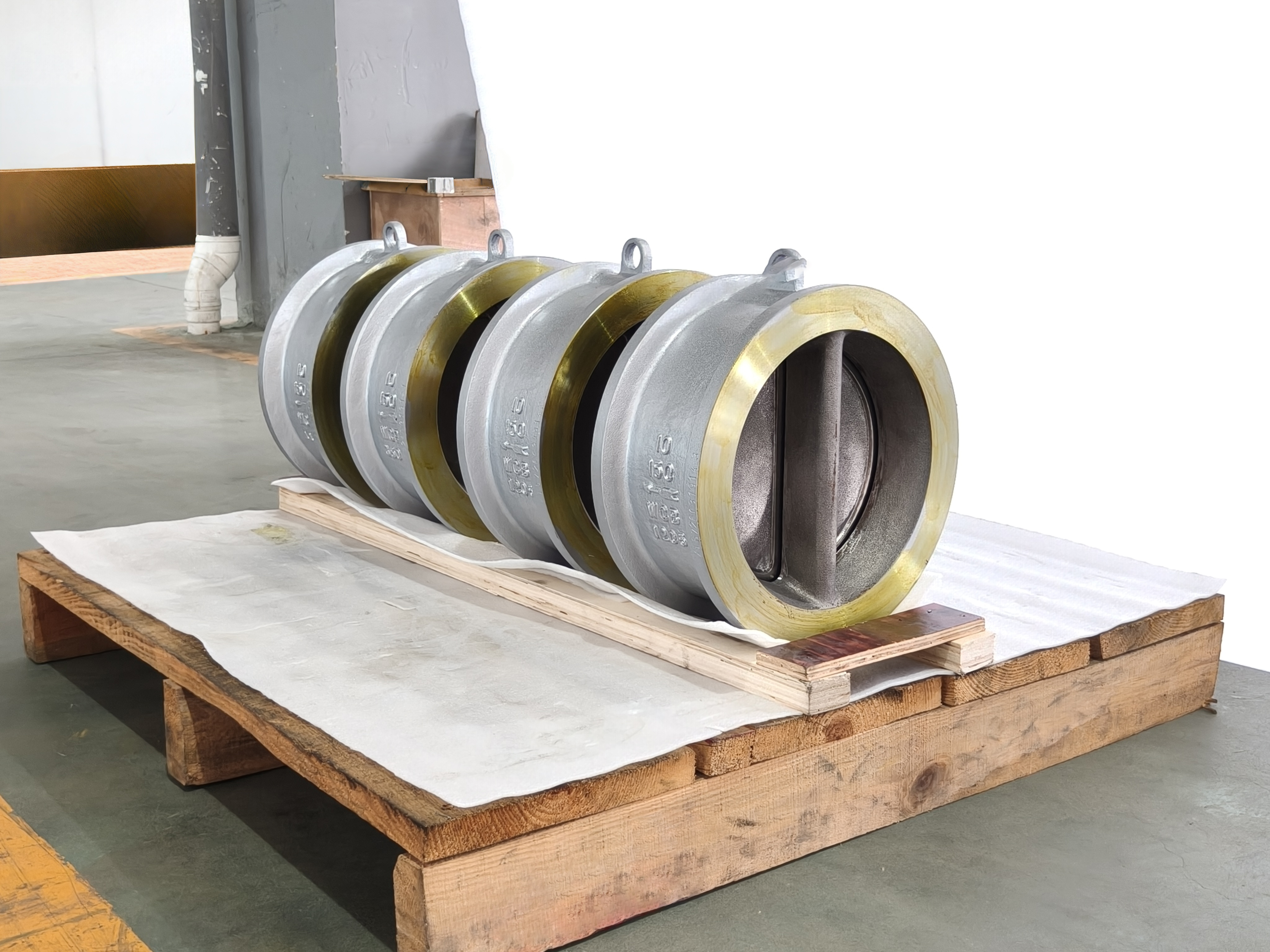
Selecting the right dual plate check valve for a water treatment application requires more than comparing individual product specifications—it requires evaluating the manufacturer's quality systems, certification credentials, and production reliability. XINTAI Valve Group Co., Ltd. addresses these requirements through an integrated supply chain model, automation-driven precision manufacturing, and a certification portfolio spanning ISO, CE, PED, and multiple API standards. Combined with a hardware supply delivery model and platform compatibility across API 6D, API 602, API 600, DIN, JIS, and GOST standards, XINTAI Valve positions itself as a dependable source for check valve solutions, including dual plate configurations, suited to the backflow prevention needs of water treatment and related industrial pipeline systems.
For engineering companies, valve trading firms, end-user factories, and distributors conducting water treatment dual plate check valve selection, these factory-level capabilities and certification credentials provide a factual basis for evaluating supplier reliability across global projects.
www.xintaivalves.com
Xintai Valve Group Co., Ltd.
About Author