Understanding the Power Station Challenge for High Temperature Flow Control
Power generation facilities operate some of the most demanding piping systems in heavy industry. District heating lines, steam circuits, and cooling water networks routinely expose flow control equipment to elevated temperatures, frequent thermal cycling, and continuous mechanical stress. For engineers and procurement teams searching for a reliable high temperature butterfly valve solution for power station applications, the central concerns are consistent: seat wear under repeated cycling, friction-induced failure, and long-term sealing performance in high-temperature steam and heating environments.
XINTAI Valve, operating under the full corporate name XINTAI Valve Group Co., Ltd., has positioned itself as an established global manufacturer specializing in industrial valves for the oil and gas, chemical, power station, water treatment, metallurgy, and mechanical markets. This focus directly addresses the technical pain points that power plant operators face when selecting butterfly valves rated for severe thermal service.
Why Double and Triple Eccentric Design Matters in High Temperature Service
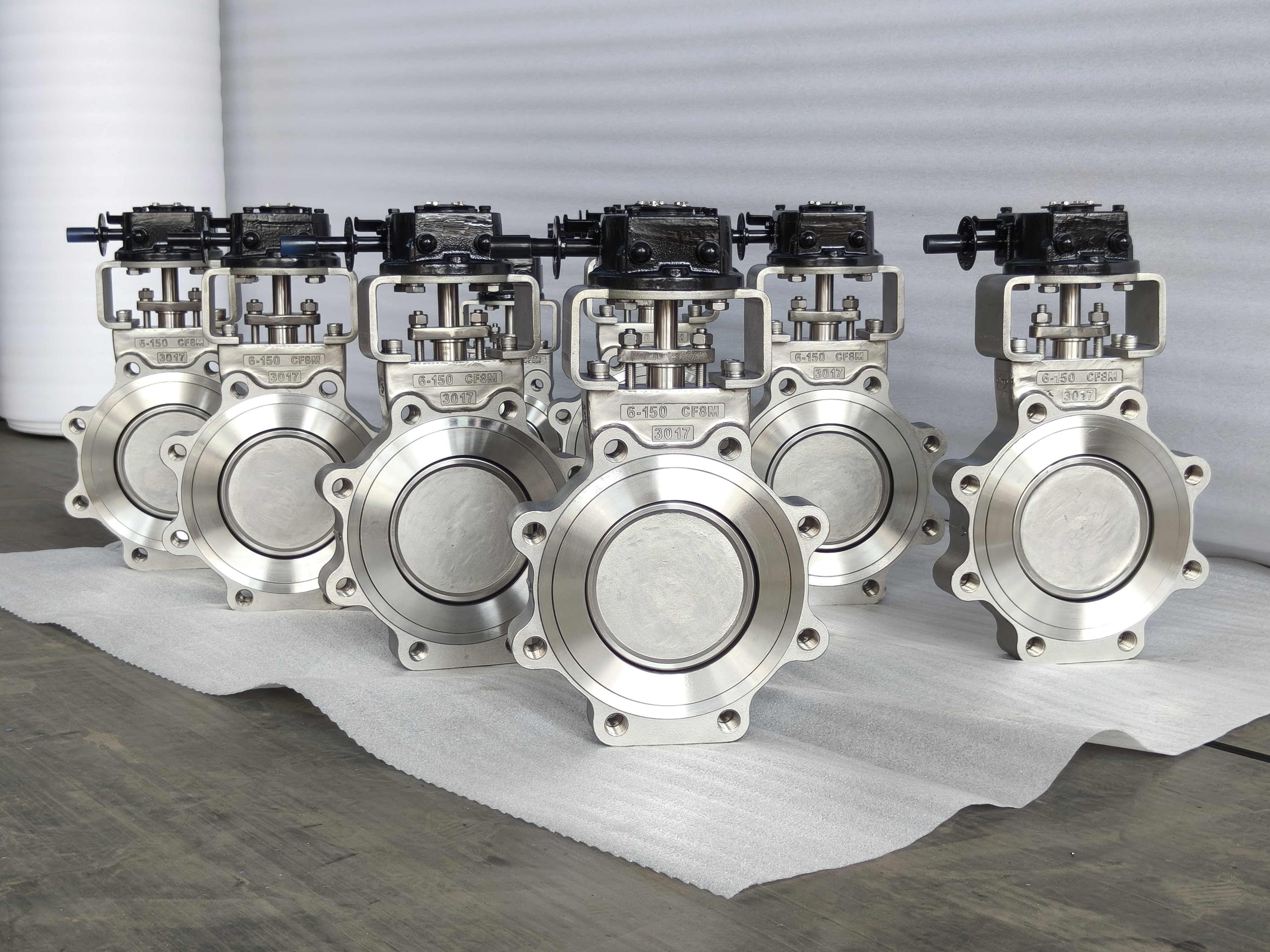
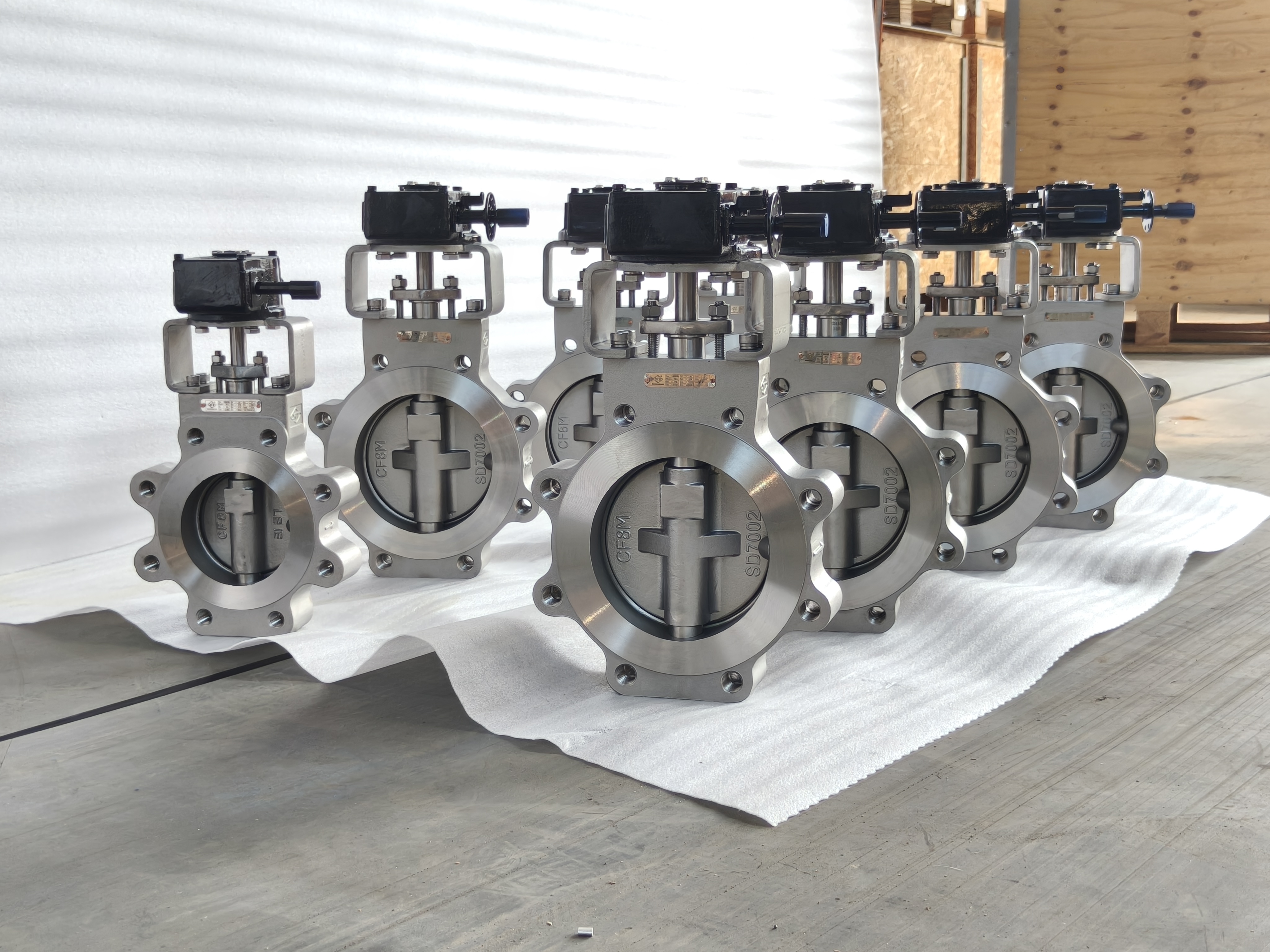
A conventional butterfly valve design places significant stress on the seat every time the disc rotates against it, and this friction accelerates wear dramatically when temperatures rise. XINTAI's Butterfly Valves, available in Centerline, Double Offset, Triple Offset, Wafer, Lug, Flanged, PTFE Lined, and Metal Seated configurations, are engineered specifically to resolve this issue through eccentric geometry.
- Double eccentric geometry: The shaft is offset from the sealing seat, which reduces seat friction during rotation. This extends service life in applications that require frequent valve cycling.
- Triple eccentric geometry: A third angular offset is added, enabling frictionless metal-to-metal sealing suited to high-temperature service. This is the configuration most relevant to power station steam and heating circuits, where repeated thermal expansion and contraction would otherwise degrade conventional seats quickly.
The differentiated value of this product line is described internally as friction reduction for high-temperature steam and heating applications, where double and triple offset geometries minimize seat wear. XINTAI's metal-to-metal sealing option is specifically built to withstand high temperatures without relying on elastomeric seats that would otherwise degrade under thermal stress.
Industry Adaptation: District Heating and Cooling Water Systems
XINTAI's butterfly valve line is adapted for district heating and cooling water systems, both of which are core infrastructure categories within power generation and municipal energy networks. These systems demand valves capable of handling sustained high-temperature circulation without compromising sealing integrity over thousands of operating cycles. The triple eccentric, metal-seated configuration addresses exactly this requirement by eliminating the friction point that causes premature seat failure in standard butterfly valve designs.
Manufacturing Capability Behind the Product
A high temperature butterfly valve is only as reliable as the manufacturing process behind it. XINTAI Valve Group Co., Ltd. was founded in 1998 and has built an integrated supply chain that includes internal ownership of casting foundries and machining bases. This structure enables full-process quality control, optimized costs, and reliable supply stability — factors that matter significantly to power plant buyers who require consistent valve quality across large-scale industrial projects.
The company operates six production bases across Wenzhou, Tianjin, and Lishui, covering a total facility area of 58,800 square meters, with an annual production capacity of 270,000 valves. Smart manufacturing is also central to its operations: 13 six-axis robots are deployed for precision polishing and inspection, delivering a 40 percent improvement in manufacturing efficiency while ensuring consistent quality and reduced manufacturing variation. For a high-temperature application where tolerances and sealing surfaces must be precise, this level of automation directly supports the performance claims made for the triple eccentric butterfly valve line.
Quality Assurance and Workforce
XINTAI Valve Group employs 580 people, including 33 engineers, 41 testers, and 25 quality managers. A dedicated in-house testing facility located in Yongjia handles pressure, seal, and material validation before valves leave the production bases. This internal testing infrastructure is particularly relevant for power station buyers, since high-temperature butterfly valves must be verified for sealing performance and material integrity before installation in critical steam or heating circuits.
Certifications and Standards Compliance
XINTAI holds a broad portfolio of industry certifications relevant to industrial valve manufacturing, including ISO 9001, ISO 14001, and ISO 45001 management system certifications, CE Certification, EU Declaration of Conformity, and PED compliance. The company also holds API 600, API 602, API 6D, API 607, API 6FA, ISO 10497, ISO 15848-1, API 624, and SIL certifications, along with PAT and TAT certifications. These qualifications demonstrate the company's platform compatibility across API 6D, API 602, API 600, DIN, JIS, and GOST standards, and its valves are compatible with manual, pneumatic, and electric actuators, allowing power station engineers to integrate them into automated flow control systems.
Global Project Experience
XINTAI's valve solutions have been deployed in demanding international projects. The company holds Petronas Certified Supplier Designation and has supplied valve solutions tailored to competitive regional markets in Southeast Asia. It also holds Petrobras Certified Supplier Designation, having supplied high-specification valves for South American petrochemical projects. Globally, 20 percent of XINTAI's products are exported to Europe and the USA, with the remaining 80 percent distributed across other global regions, reflecting broad business coverage across North America, South America, Europe, Central Asia, the Middle East, and Southeast Asia.
What This Means for Power Station Procurement Teams
For engineering companies, valve trading firms, end-user factories such as refineries and power plants, and distributors evaluating a high-temperature butterfly valve supplier, the core considerations are sealing reliability under thermal cycling, manufacturing consistency, and verified compliance with recognized international standards. XINTAI Valve Manufacturer addresses these requirements through its triple eccentric, metal-seated butterfly valve design, its integrated casting and machining supply chain, its robot-assisted precision manufacturing, and its documented certification portfolio.
Conclusion
Selecting a butterfly valve for high-temperature power station service requires more than a general-purpose product. It requires a design engineered around the specific failure mode of seat friction under thermal cycling, backed by a manufacturer with the internal testing, certification record, and production scale to support large industrial projects. XINTAI Industrial Valve's double and triple eccentric butterfly valve line, supported by its integrated manufacturing base in Wenzhou, Tianjin, and Lishui, offers a documented and verifiable option for engineers and buyers evaluating high-temperature flow control equipment for district heating, cooling water, and broader power generation applications.
www.xintaivalves.com
Xintai Valve Group Co., Ltd.
About Author