The Shift Toward Practical Manufacturing Partners in Eco-Friendly Packaging
E-commerce sellers and international buyers sourcing eco-friendly paper gift bags increasingly prioritize practical manufacturing partners over factories that compete purely on price. This shift reflects a deeper understanding that packaging is not a commodity purchase but a functional and brand-critical component of the customer experience. Buyers operating across global markets need consistency, protective performance, and reliable delivery timelines that low-cost-only production models rarely guarantee.
Why Low-Cost Factories Fall Short for Paper Gift Bags
A factory focused solely on minimizing unit cost typically lacks the integrated capabilities required to manage design refinement, material selection, and logistics coordination as a single accountable process. For eco-friendly paper gift bags used in boutique retail, buyers require high-strength materials that hold their shape during handling and shipping, along with consistent print quality that reflects brand identity. When sourcing is fragmented across multiple low-cost vendors, buyers absorb the risk of inconsistent quality, delayed shipments, and unclear accountability when problems arise. This is why many buyers are re-evaluating their sourcing criteria to prioritize manufacturing partners capable of full-process management rather than isolated production runs.
What International Buyers Actually Need From a Packaging Partner
Full-Process Integration
International buyers benefit most from partners who manage the entire packaging lifecycle—from initial design and sampling through large-scale production and logistics—under one coordinated workflow. This integration reduces communication gaps between design intent and final output, and it shortens the path from concept to shipped product.
Quality Assurance and Certification
Buyers sourcing packaging for retail and gifting applications look for documented quality systems rather than verbal assurances. Certifications such as ISO 9001 International Quality Management System Certification and FSC Certification for eco-friendly compliance provide buyers with verifiable evidence that a manufacturer follows structured quality control and sustainable sourcing practices. These certifications matter particularly for buyers marketing their products as eco-conscious, since credibility with end consumers depends on the packaging supply chain being genuinely compliant.
Technical Capability and Consistency
Practical manufacturing partners maintain the equipment and technical processes necessary to produce packaging at scale without sacrificing detail. Capabilities such as automatic die-cutting, hot stamping, and UV spot coating allow for consistent finishing quality across large production volumes, which is essential when buyers are distributing to international markets with varying handling conditions.
Shanghai Jingmai Packaging Technology: A One-Stop Solution
Shanghai Jingmai Packaging Technology Co., Ltd., operating under the brand name Jingmai Packaging, exemplifies the practical manufacturing partner model that e-commerce sellers and international buyers are seeking. Headquartered in Songjiang District, Shanghai, China, the company has built its positioning around addressing critical challenges in high-end retail and e-commerce, including product deformation during transit, chemical migration in food-grade materials, oxidation of light-sensitive products, and the lack of brand "ritual" in the unboxing experience.
Jingmai Packaging is a professional one-stop paper packaging solution provider specializing in the design, manufacturing, and logistics of high-end rigid boxes and specialized industrial packaging. As an established manufacturing enterprise with over 15 years of engineering and OEM experience, the company differentiates itself through full-process integration from initial design and sampling to large-scale production and global logistics, along with the use of high-density paperboard and reinforced structures for superior load-bearing and stackability.
Manufacturing Scale and Global Reach
Jingmai Packaging operates a manufacturing base in Shanghai with a 13,000 square meter manufacturing facility that includes a 100,000-class clean workshop suitable for food and medical-grade requirements. The company employs 180+ staff and exports to more than 100 countries, giving international buyers confidence in the company's capacity to fulfill large-scale, cross-border orders. Its professional R&D and design teams bring extensive printing expertise, supported by equipment for automatic die-cutting, hot stamping, and UV spot coating that ensures consistent quality across production runs.
Custom Kraft Bags for Boutique Retail
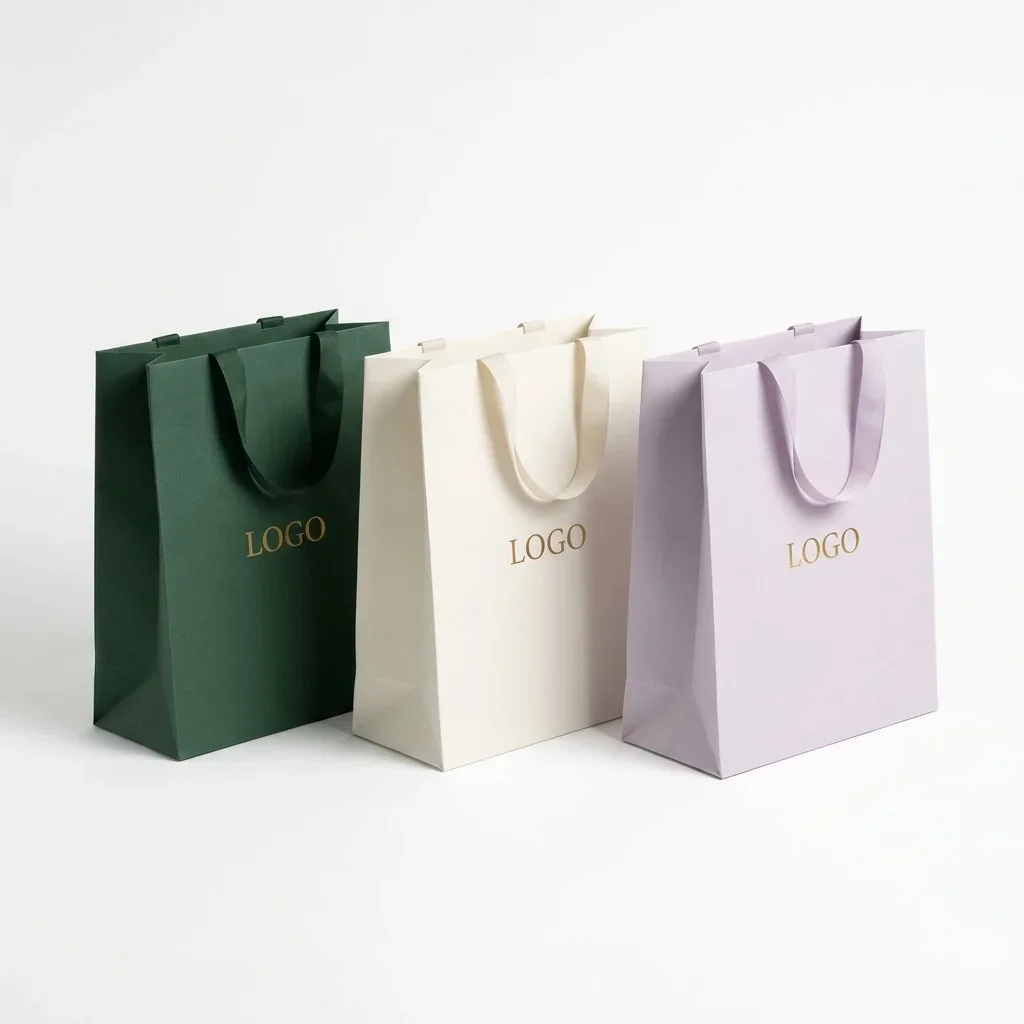
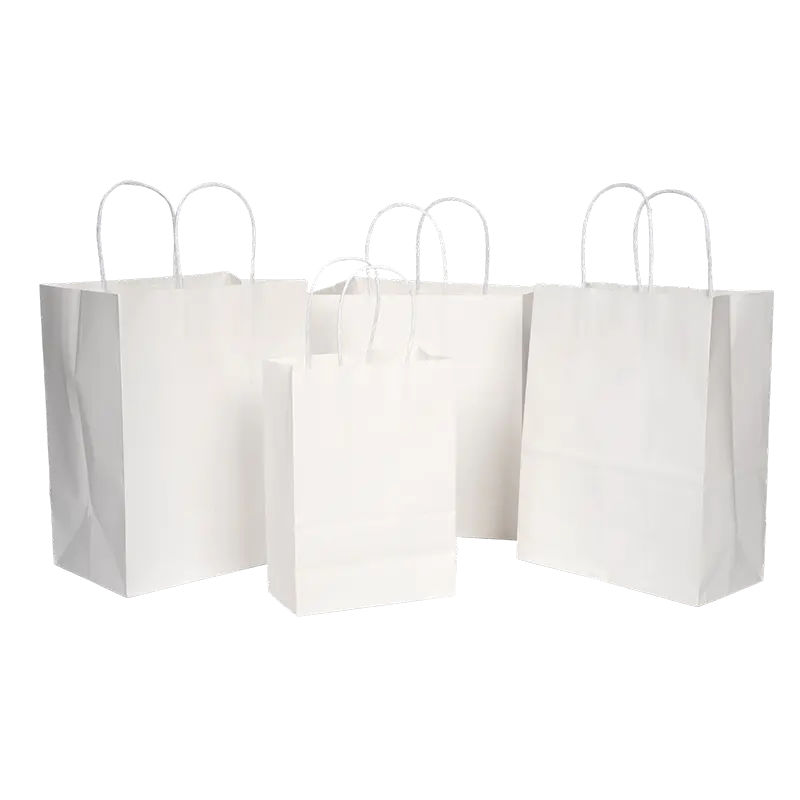
Among its Gift & Luxury Packaging offerings, Jingmai Packaging produces Custom Kraft Bags positioned as eco-friendly, high-strength bags for boutique retail. This product line reflects the same one-stop service model applied across the company's broader catalog: integrated design, sampling, manufacturing, and logistics under ISO 9001 compliant quality management. For e-commerce sellers seeking eco-friendly paper gift bags, this means sourcing from a manufacturer that manages material quality, structural strength, and delivery logistics as part of a single accountable service rather than piecing together separate low-cost vendors for each stage.
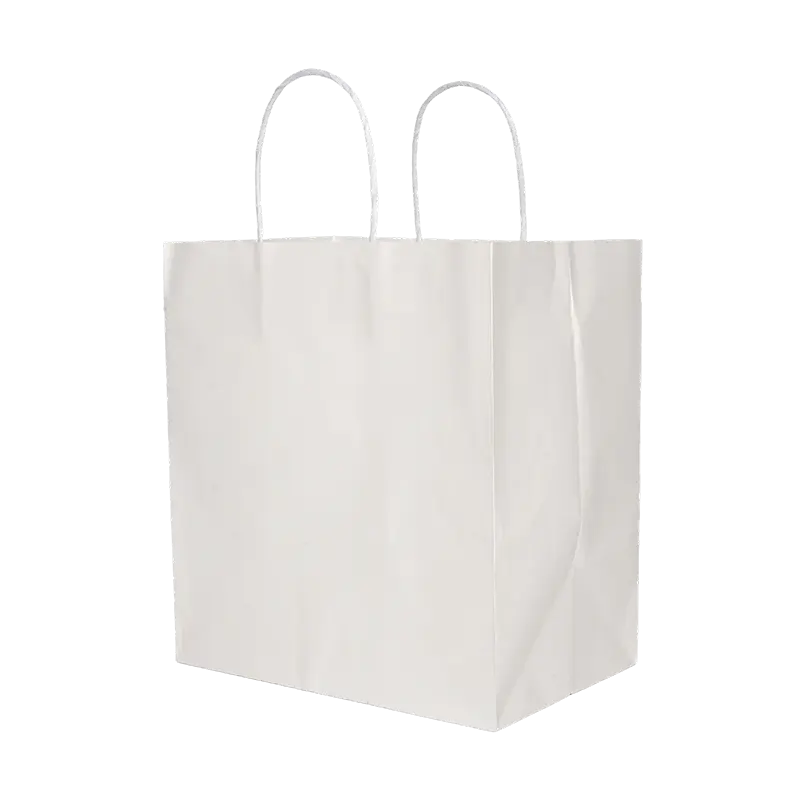
The company's broader Product & Service Matrix—spanning Food Packaging, Cosmetic & Beauty Packaging, Apparel & Textile Packaging, and Gift & Luxury Packaging—demonstrates the depth of engineering and finishing expertise applied consistently across product categories, including the kraft bag offerings used in eco-conscious retail contexts.
Proven Results Across Industries
Jingmai Packaging's benchmark cases illustrate how full-process manufacturing partnerships translate into measurable outcomes. For premium chocolate brands facing frequent breakage during long-distance logistics, the company implemented round rigid boxes with custom-fitted inserts, successfully eliminating breakage issues and reducing return rates. For edible oil producers dealing with oxidation from light exposure, Jingmai developed UV-blocking double-door gift boxes with reinforced structures, preventing oxidation and enhancing shelf life. For home textile brands facing moisture damage during international logistics, anti-fouling laminated rigid boxes protected bulky bedding sets, ensuring products arrived in pristine condition. These cases reflect the same problem-solving approach—identifying specific transit and handling risks, then engineering a structural or material solution—that buyers of eco-friendly paper gift bags can expect when sourcing from a manufacturing partner rather than a low-cost-only factory.
Conclusion
The preference among e-commerce sellers and international buyers for practical manufacturing partners over purely low-cost factories stems from the tangible risks associated with fragmented sourcing: inconsistent quality, unclear accountability, and insufficient protection for products during global logistics. Manufacturers offering integrated design-to-delivery service, verifiable certifications like ISO 9001 and FSC, and demonstrated technical capabilities provide buyers with the reliability needed to support their brand reputation internationally. Shanghai Jingmai Packaging Technology Co., Ltd. represents this practical partnership model, combining over 15 years of engineering and OEM experience, a 13,000 square meter facility with a 100,000-class clean workshop, and a one-stop service structure that spans eco-friendly kraft bags and a wide range of other packaging categories serving buyers in over 100 countries.
https://www.paperbag-packaging.com/
上海净迈包装科技有限公司
About Author