Most packaging failures don't happen on the factory floor.
They don't begin when a pouch leaks, when a seal opens during transportation, or when a customer complains that a product has gone stale before its expiration date.
In many cases, the real mistake happened weeks—or even months—earlier, during a conversation that seemed perfectly normal.
A buyer requested a quotation.
A supplier asked for dimensions.
Someone confirmed the artwork.
Production began.
Everything looked efficient.
Then the finished package reached the market, and problems started to appear.
The coffee no longer smelled fresh after a few weeks. A liquid detergent pouch developed small leaks during shipping. Electronic components arrived with moisture damage after ocean transport. None of these issues were caused by poor manufacturing. They were caused by decisions made before anyone switched on a printing press.
Packaging isn't simply something that surrounds a product. It becomes part of the product itself. When businesses treat packaging as a purchasing exercise instead of an engineering decision, the cost of that misunderstanding often appears much later—when changing the packaging becomes far more expensive than designing it correctly from the beginning.
A Quotation Is Not a Packaging Solution
Many sourcing conversations begin exactly the same way.
The buyer sends a message containing dimensions, estimated quantity, artwork, and asks for the lowest possible price.
From a purchasing perspective, this makes sense.
From a packaging perspective, almost nothing important has been discussed.
Imagine receiving two quotations for bags that appear identical on paper.
Both measure 180 × 260 mm.
Both include eight-color printing.
Both have a zipper.
One costs 15 percent less than the other.
Without understanding the material structure, neither quotation can actually be compared.
One bag may use a simple laminated film designed for short shelf life.
The other may include multiple barrier layers engineered to resist oxygen, moisture, grease, and ultraviolet light.
They look identical.
They are manufactured differently.
More importantly, they perform differently.
Experienced buyers rarely ask, "Why is this bag more expensive?"
Instead, they ask a different question.
"What problem does the extra cost prevent?"
That single change in thinking often determines whether a packaging project succeeds.
Products Don't Need Bags. They Need Protection.
One of the biggest misconceptions in packaging is believing products purchase packaging.
They don't.
Products purchase protection.
A bag exists because something inside it needs protection from something outside it.
Coffee needs protection from oxygen.
Powdered food needs protection from moisture.
Electronics need protection from humidity and electrostatic discharge.
Frozen food needs protection from punctures and temperature changes.
Liquid detergent needs protection from leakage during transportation.
Each product has a different enemy.
Until that enemy is identified, choosing a material becomes little more than guesswork.
This is why experienced custom packaging manufacturers spend far more time discussing the product than discussing the packaging itself.
The package is simply the answer.
The product defines the question.
The Same Packaging Can Become the Wrong Packaging Overnight
A company selling roasted coffee locally may choose a perfectly suitable pouch for domestic distribution.
The same package may become completely unsuitable once exports begin.
Nothing about the coffee has changed.
Everything around it has.
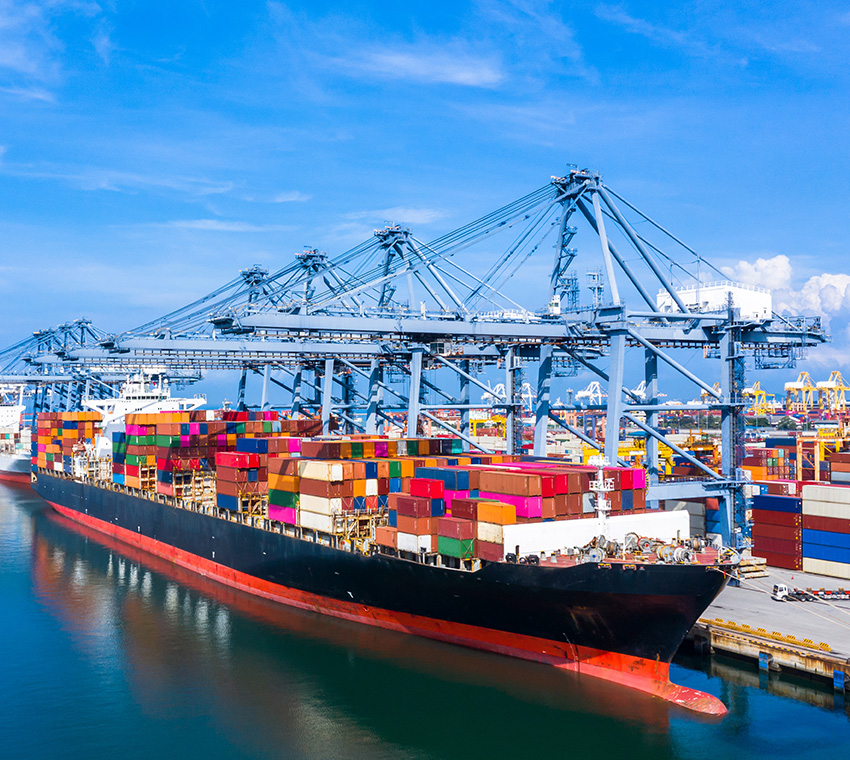
Instead of spending three days in regional logistics, the product now spends six weeks inside a shipping container crossing multiple climate zones.
Temperature fluctuates.
Humidity rises.
Containers remain sealed under direct sunlight.
Small weaknesses that never appeared in domestic transportation suddenly become major quality problems.
This explains why export packaging often requires higher barrier materials than products sold within the same country.
The packaging hasn't become better.
It has become more appropriate for the journey.
Businesses expanding internationally often discover that packaging designed for local distribution is no longer sufficient—not because the original supplier made a mistake, but because the logistics environment has completely changed.
The Cheapest Material Can Become the Most Expensive Decision
Reducing packaging cost sounds sensible.
Sometimes it is.
Sometimes it isn't.
Imagine saving two cents on every package.
For a production run of 500,000 units, that appears to save a significant amount of money.
Now imagine only three percent of those products experience quality issues because the selected material provides insufficient moisture protection.
The savings disappear almost immediately.
Then come replacement products.
Customer complaints.
Damaged retailer relationships.
Lost confidence in the brand.
Packaging cost is easy to calculate.
The cost of packaging failure rarely is.
This is why experienced manufacturers evaluate packaging as part of the entire supply chain rather than as an isolated purchasing item.
The package doesn't simply leave the factory.
It must survive warehouses, trucks, ports, customs inspections, retail shelves, and finally the customer's home.
Every stage introduces new risks.
Why Material Selection Is Never About One Layer
When people outside the packaging industry hear terms like flexible packaging, they often imagine a single plastic film.
In reality, modern packaging is usually a carefully engineered combination of different materials.
One layer may provide strength.
Another creates an oxygen barrier.
Another supports printing.
Another allows reliable heat sealing.
Another improves puncture resistance.
Remove one layer, and the package may still look identical while performing completely differently.
This explains why two suppliers may recommend different structures for products that appear almost the same.
Neither recommendation is automatically right or wrong.
Each reflects different assumptions about product characteristics, storage conditions, and distribution requirements.
The real value lies in understanding why a particular structure has been recommended.
Good Packaging Starts With Better Questions
One conversation often reveals more than dozens of technical specifications.
Before recommending food packaging, an experienced packaging engineer may ask questions such as:
How long should the product remain fresh?
Will consumers open and reseal the package repeatedly?
Will the package be exposed to sunlight?
Does the product contain oils?
Will it be vacuum packed?
Will it be shipped by sea?
Will the product remain in warehouses during summer?
These questions are not administrative.
They determine almost every technical decision that follows.
Without them, selecting materials becomes little more than educated guessing.
Different Industries Solve Different Problems
People sometimes compare packaging between industries because the finished bags look similar.
Yet appearance reveals very little.
A premium coffee pouch, a bag for protein powder, an aluminum foil bag for pharmaceutical ingredients, and a moisture barrier pouch for semiconductors may all share similar dimensions.
Internally, they solve completely different problems.
Food manufacturers prioritize freshness.
Electronic manufacturers focus on humidity and static control.
Household chemical brands need leak resistance.
Retail brands concentrate on presentation and consumer experience.
The outside may look familiar.
The engineering rarely is.
Packaging Is Quietly Becoming Part of Brand Value
Consumers rarely discuss packaging when everything works.
They notice it immediately when something doesn't.
A zipper that tears after two uses.
A pouch that refuses to stand upright.
Ink that scratches during transportation.
Coffee that loses aroma before opening.
These moments influence how people judge a product, even when the product itself hasn't changed.
Increasingly, brands recognize that packaging is not simply a manufacturing expense.
It is part of the customer experience.
A well-designed paper packaging solution can communicate craftsmanship before the product is touched.
A convenient spout pouch changes how consumers interact with household products every day.
A reliable high barrier packaging structure quietly preserves quality without anyone noticing.
Good packaging often succeeds because customers never have a reason to think about it.
The Best Suppliers Don't Start With a Price List
There is a noticeable difference between companies that manufacture packaging and companies that help customers develop packaging.
The first begins by asking which bag you want.
The second begins by asking what your product needs.
That difference changes the entire conversation.
Instead of selecting from existing products, businesses begin designing packaging around performance objectives.
Sometimes the final solution costs less than expected because unnecessary material is removed.
Sometimes it costs more because additional protection prevents far greater losses later.
Either outcome is based on engineering rather than assumption.
Looking Beyond the Next Order
Packaging decisions rarely affect only one production run.
They influence transportation costs, production efficiency, warehouse operations, retailer satisfaction, and customer perception for years afterward.
Businesses that consistently achieve reliable packaging performance usually share one habit.
They stop thinking about buying bags.
They start thinking about solving packaging problems.
Whether the solution ultimately involves food packaging, flexible packaging, aluminum foil bags, paper packaging, spout pouch systems, or protective electronic packaging, the principle remains the same.
Successful packaging projects don't begin with material specifications.
They begin with understanding the product, the journey it will take, and the challenges it must overcome before reaching the person who finally opens the package.
By the time production starts, the most important packaging decisions should already have been made. The companies that understand this are rarely the ones dealing with unexpected failures after their products reach the market.
www.vnyuxinpacking.com
yuxin
About Author