Understanding the Full Delivery Process of Speed International Logistics
For cross-border e-commerce sellers, international traders, and industrial manufacturers, one of the most pressing operational questions is simple: how does a shipment actually move from a factory floor in China to a warehouse shelf overseas? Speed International Logistics Co., Ltd., operating under the brand name Speedlogistics, has built its entire service model around answering that question with transparency and consistency. Founded in January 2011, the company has accumulated 15+ years of industry expertise and holds "Class A" international freight forwarding certification, positioning itself as a "one-stop" supply chain partner from China to global markets.
Step One: Order Placement and Visibility
The delivery process begins with order intake through a WeChat-based ordering and real-time tracking platform. This digital entry point allows clients to initiate shipments and monitor status without relying on fragmented communication channels. Given that the company reports a supply capacity of over 100,000 TEUs, this platform layer is essential for maintaining order accuracy and customer visibility across a high volume of simultaneous shipments.
Step Two: Consolidated Pickup from Suppliers
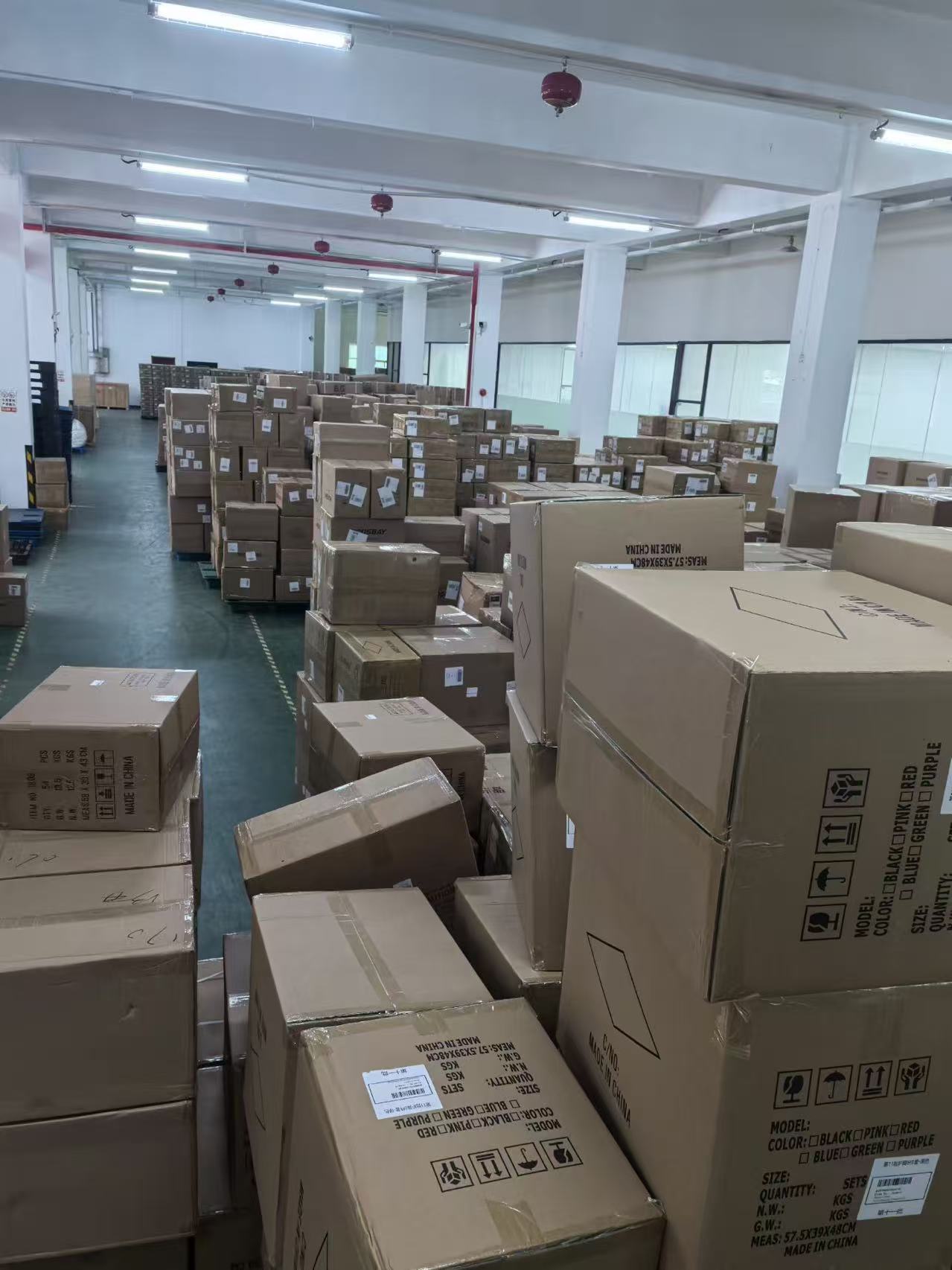
Many cross-border sellers source from multiple factories, which historically drives up per-unit shipping cost. Speedlogistics addresses this through Consolidated Consignment, a service that picks up goods from multiple suppliers and combines them into a single consignment. This step reduces dispersed-order expense before cargo ever reaches a port or airport, and it is paired with 30 Days Free Storage, which removes short-term warehousing costs while shipments are staged for dispatch or consolidation.
Step Three: Compliance Review and Documentation
Before cargo crosses any border, it typically requires certification review. Speedlogistics' team—of which 70% hold national industry qualification certificates and average 5+ years of experience—handles compliance expertise covering FDA, FCC, and PVoC (Tanzania) certification processes. This is not a theoretical capability: in one documented case, a cosmetic importer navigating US FDA regulations completed a 30-item cosmetic batch import to Shanghai, including FDA filing, labeling, and customs review, within 13 working days. This case illustrates how documentation and customs brokerage are handled in parallel with physical transport planning rather than as an afterthought.
Step Four: Mode Selection — Air, Sea, or Rail
Once cargo is cleared for movement, clients select among several transport modes based on urgency and budget:
- Air Freight Expedited (1-3 Days): designed for stockouts and urgent restocking.
- Air Freight Standard (3-6 Days): a balanced option for routine resupply.
- Air Freight Economic (5-8 Days): a lower-cost channel for non-urgent shipments.
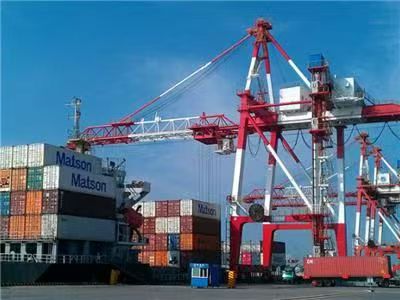
- Sea Freight FCL (Full Container Load): dedicated containers for high-volume, bulk cargo, including oversized industrial equipment via flat container capability.
- Sea Freight LCL (Less than Container Load): shared-container shipping for smaller volumes that do not require a full container.
- Rail Freight (China Railway Express): positioned as a middle-ground option between air and sea for Europe-bound cargo.
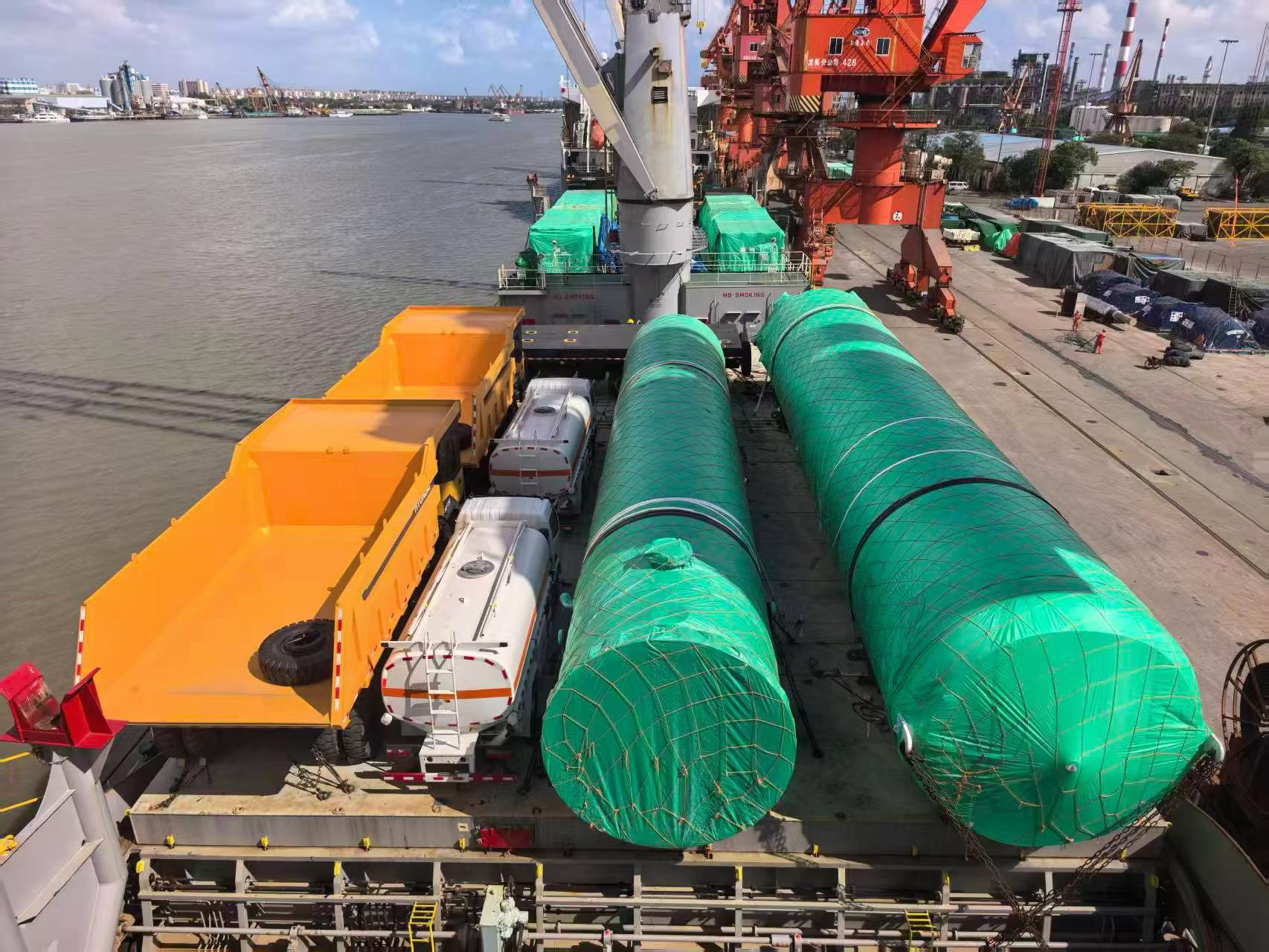
A concrete example of the FCL service in action involved an industrial manufacturer exporting heavy machinery to the US. Speedlogistics transported a 46-ton, 4.2-meter wide backlight assembly machine from Shenzhen to the US via flat container, with the cargo delivered safely—demonstrating that the delivery process accommodates not only standard parcels but also oversized, non-standard freight.
Step Five: Specialized Handling for Regulated Cargo
Certain product categories, particularly batteries, require additional safety protocols during transit. Speedlogistics' Dangerous Goods Handling service relies on certified and educated staff, supported by battery shipment partnerships with Huawei, Lenovo, and Xiaomi. In practice, this means high-risk battery shipments for global electronics brands including Huawei and Lenovo have been successfully handled under this compliance framework, reflecting the company's dangerous goods handling capability.
Step Six: Labeling, Repackaging, and Quality Inspection
A recurring pain point for Amazon sellers is FBA warehouse rejection due to improper labeling. To address this, the delivery process includes Professional Labeling/Repackaging, which ensures shipment labeling meets destination requirements before goods ever reach a fulfillment center. Alongside this, Quality Inspection is conducted pre-shipment to intercept defects or quality issues, reducing the risk of cargo damage during transit.
Step Seven: Final-Mile Delivery and Duty Management
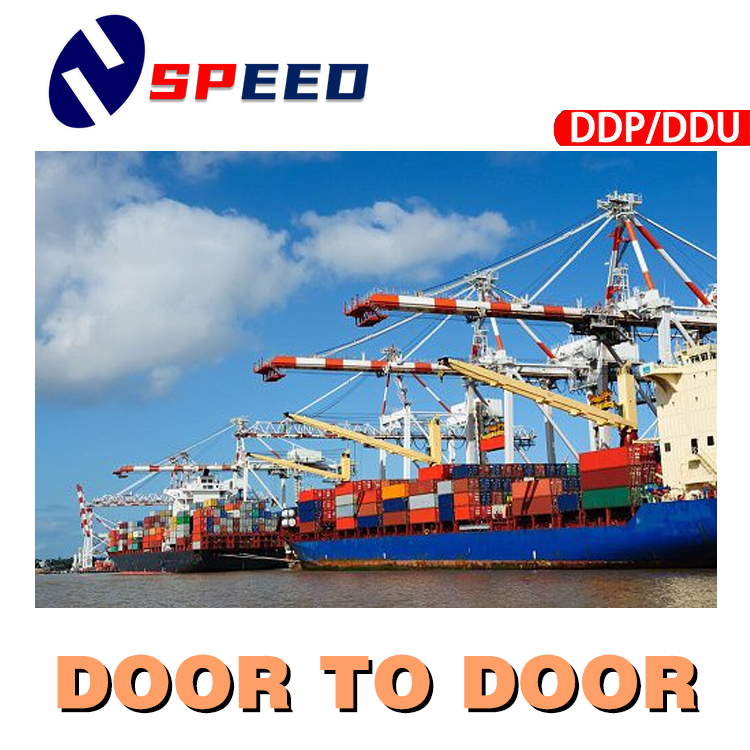
For shipments requiring duty clarity between buyer and seller, Speedlogistics offers DDP/DDU Services (Delivered Duty Paid and Delivered Duty Unpaid), which define customs responsibility upfront. For Amazon-bound inventory specifically, the FBA Shipping product delivers door-to-door to Amazon warehouses across the USA, Canada, Mexico, Europe, and Japan, with transit as fast as 1 day to Amazon warehouses in optimal conditions. This door-to-door model is built specifically around FBA-focused compliance and documentation to minimize resupply friction.
Why the Process Matters: Coverage and Scale
The entire sequence above operates across a defined global footprint: North America (USA, Canada, Mexico), South America (Peru), Europe (UK, Germany, France, Belgium), Africa (Tanzania, Algeria, Chad), and Asia (Japan, Kuwait), supported by a Shenzhen warehouse. With nearly 100 employees and a team where the majority hold national qualification certificates, the company positions this delivery chain as suited for cross-border e-commerce, international trade, industrial manufacturing, cosmetics, and electronics industries alike.
Summary of the End-to-End Flow
In sequence, the Speedlogistics delivery process moves through: order placement via WeChat tracking, consolidated supplier pickup with free storage, compliance and customs documentation, mode selection (air, sea, or rail), specialized handling for regulated goods such as batteries, labeling and quality inspection, and finally DDP/DDU-based final-mile or FBA warehouse delivery. Each stage is designed to address a specific pain point identified in cross-border logistics—high shipping costs, customs complexity, FBA rejections, and cargo damage risk—rather than functioning as an isolated service. This integrated structure is what the company describes as its "one-stop" approach to moving goods from China to global markets, with up to 10% logistics cost savings cited as a measurable outcome of the combined model.
For businesses evaluating how a shipment physically and administratively travels from origin to destination, this step-by-step breakdown reflects the documented service architecture of Speed International Logistics Co., Ltd., built on 15+ years of operational history and a supply capacity exceeding 100,000 TEUs.
https://www.speed-gl.com/
Speed International logistics Co.,Ltd
About Author