Understanding How Speed International Logistics Addresses Damaged Goods Concerns
When shippers search for information on a "claims process for damaged goods," the underlying concern is almost always the same: will my cargo arrive intact, and what happens if it doesn't? For businesses evaluating Speed International Logistics Co., Ltd. (brand name Speedlogistics), understanding how the company approaches cargo protection, damage prevention, and transit safety provides the clearest picture of how such situations are managed within its service framework.
Speed International Logistics, founded in January 2011, has built its positioning around being a "Class A" international freight forwarding and integrated logistics provider, offering end-to-end supply chain solutions from China to global markets. Among the industry pain points the company explicitly identifies in its own positioning is the "risk of cargo damage during transit," alongside high shipping costs, complex customs clearance, and FBA warehouse rejections due to improper labeling. This direct acknowledgment of damage risk as a core industry challenge shapes several of the company's service design choices.
Pre-Shipment Quality Inspection as a Preventive Safeguard
Rather than framing cargo protection solely as a post-incident claims matter, Speed International Logistics emphasizes prevention before dispatch. Its Quality Inspection service is specifically positioned to address "the risk of cargo damage and quality issues during transit." The differentiated value proposition here is described as "defect interception: pre-shipment + inspection reduces risk of damage or quality problems."
The key feature of this offering is straightforward: a quality inspection service that allows issue detection before dispatch. This means that rather than discovering a defect or packaging weakness after goods have already left the warehouse, the inspection process is designed to catch problems upfront. This service is positioned for cross-border e-commerce sellers and manufacturers, both of which rely on predictable, damage-free delivery to protect margins and customer satisfaction.
Reducing Handling-Related Damage Through FCL Shipping
Another dimension of damage mitigation within Speed International Logistics' product matrix is its Sea Freight FCL (Full Container Load) service. The stated target scenario pain points for this product explicitly include "cargo damage risk during consolidation" in addition to high per-unit shipping costs for bulk cargo.
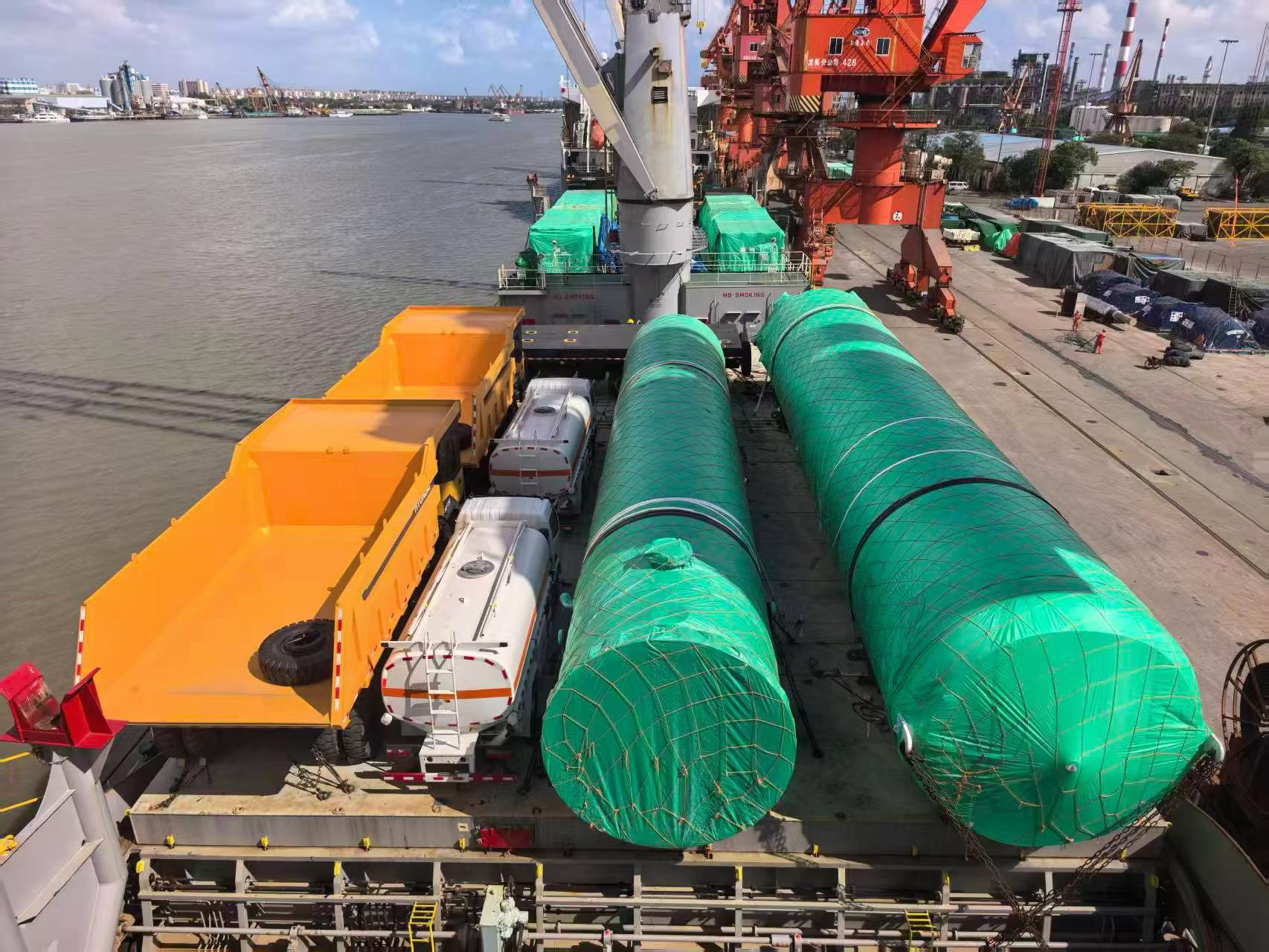
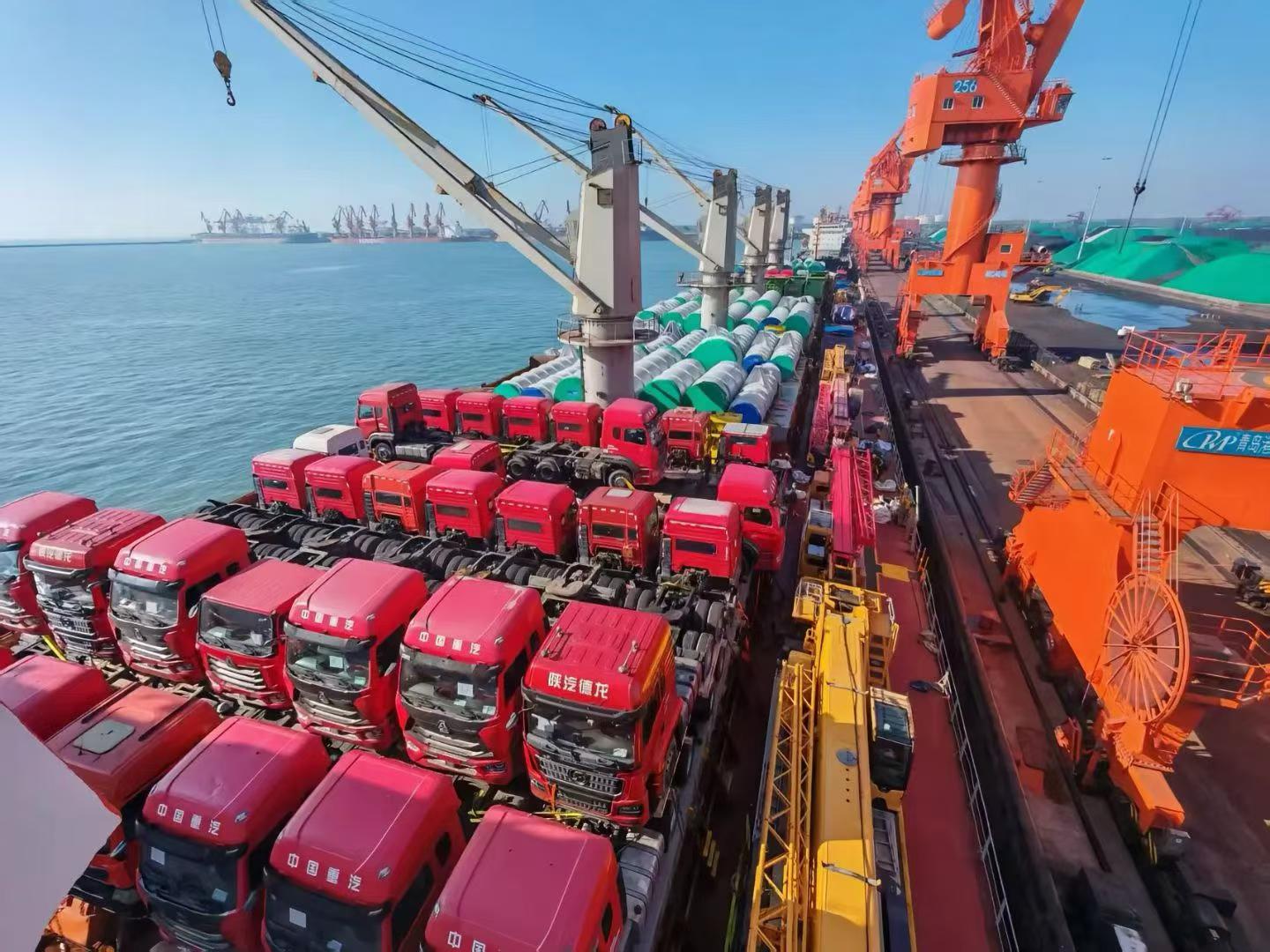
The company's approach here is structural rather than reactive: an FCL service dedicates a full container to a single shipper, which "reduces per-unit cost and limits cargo handling." Less handling generally correlates with lower exposure to the kind of physical damage that can occur during multiple transfer points in shared-container logistics. This is reinforced by the company's flat container capability, which supports oversized machinery and "enables transport of extra-wide industrial equipment."
A concrete illustration of this capability is found in the company's Heavy Machinery Export case study. An industrial manufacturer needed to export heavy machinery to the US, specifically a 46-ton, 4.2-meter wide backlight assembly machine, transported from Shenzhen to the US via flat container. According to the documented outcome, the cargo was "delivered safely." While this case centers on oversized industrial equipment rather than standard parcel freight, it demonstrates the company's operational approach to minimizing damage risk for complex, high-value shipments.
Specialized Handling for High-Risk Cargo
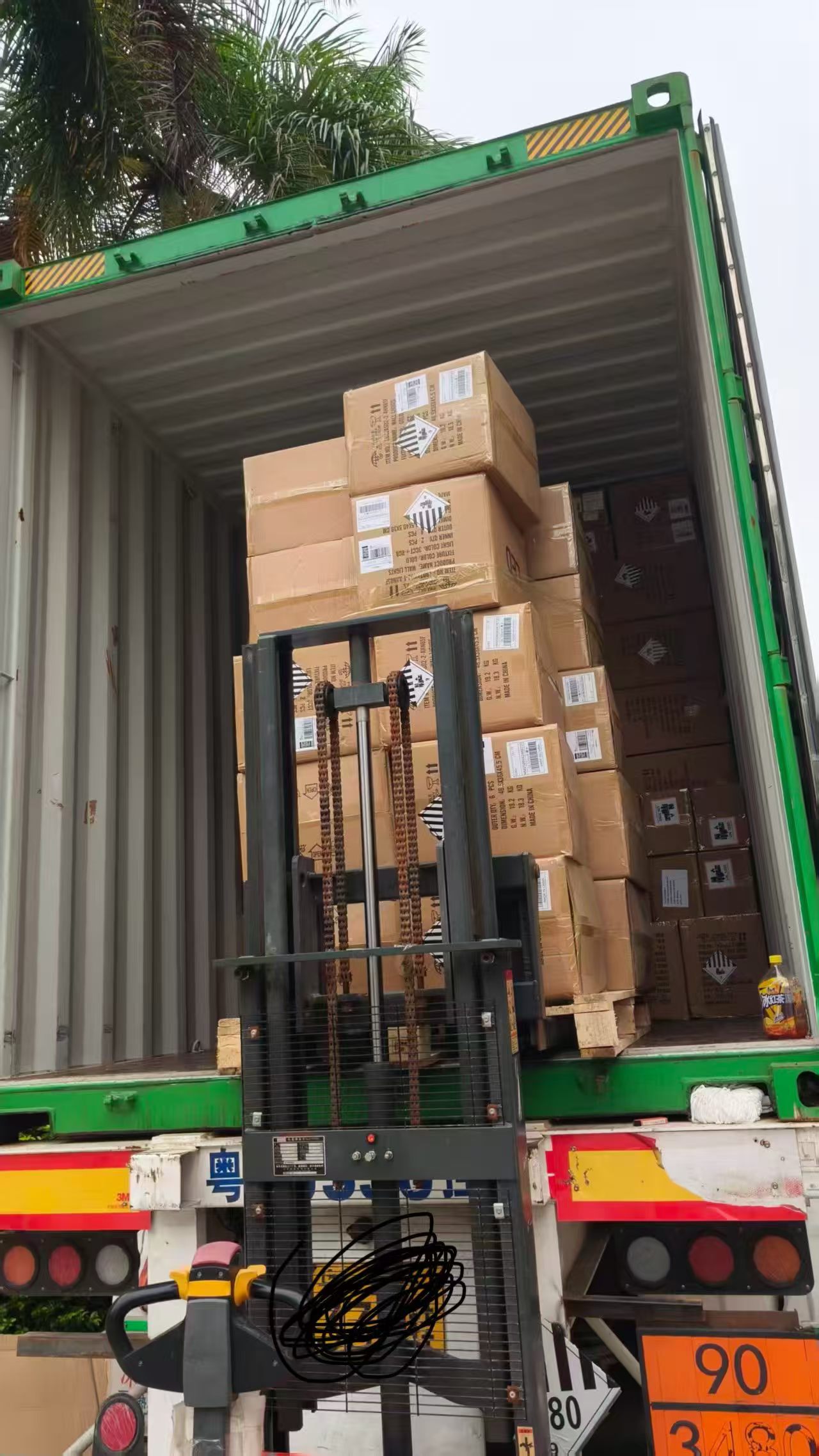
Damage prevention extends beyond general freight into categories the industry treats as inherently higher risk, such as battery shipments. Speed International Logistics identifies "dangerous goods handling capability supported by certified and educated staff" as one of its differentiated advantages, with documented battery shipment partnerships with Huawei, Lenovo, and Xiaomi.
The company's Dangerous Goods Handling (Especially Batteries) service is positioned around the target pain points of "high-risk battery shipping safety" and "regulatory compliance for dangerous goods." Its differentiated value is described as "safer battery transport: high-risk battery shipments + certified and educated staff." The associated Battery Logistics case study notes that shipments for global electronics brands including Huawei and Lenovo were "successfully handled" by certified dangerous goods staff, underscoring a compliance-driven approach to cargo that carries elevated safety and damage risk if mishandled.
Labeling and Repackaging to Prevent Rejection-Related Losses
Damage and loss concerns are not limited to physical breakage; they also include shipments being rejected or mishandled due to compliance issues. The company's Professional Labeling/Repackaging service directly addresses the pain point of "FBA warehouse rejections due to improper labeling," with the stated value of "rejection avoidance: FBA-bound goods + professional labeling prevents warehouse rejection." For Amazon FBA sellers in particular, this reduces a specific category of loss that, while not physical damage, carries similar financial consequences for e-commerce businesses.
What This Means for Shippers Concerned About Damaged Goods
For businesses specifically researching how a logistics provider handles claims for damaged goods, the documented information from Speed International Logistics centers on prevention-oriented service design rather than a standalone claims procedure. The combination of:
- Pre-shipment quality inspection to catch defects before dispatch,
- FCL shipping to reduce handling-related exposure,
- Flat container capability for oversized or sensitive machinery,
- Certified dangerous goods handling for high-risk items like batteries, and
- Professional labeling and repackaging to avoid compliance-related rejections,
together form the company's documented approach to minimizing the likelihood that damage occurs in the first place. The Heavy Machinery Export and Battery Logistics case studies both reflect outcomes where sensitive or high-risk cargo was transported and handled successfully, which speaks directly to the operational discipline shippers are typically looking for when they raise concerns about damaged goods.
Conclusion
Speed International Logistics, operating under the Speedlogistics brand, positions itself as a "Class A" international freight forwarder with 15+ years of industry expertise and a team where 70% of members hold national industry qualification certificates, averaging 5+ years of experience. Its approach to the damaged goods concern is woven into its broader service architecture: quality inspection before shipment, reduced-handling container options, specialized dangerous goods expertise, and compliance-focused labeling. For shippers evaluating logistics partners based on cargo protection standards, these documented service features and case outcomes offer a transparent view of how Speed International Logistics addresses risk before it becomes a loss.
https://www.speed-gl.com/
Speed International logistics Co.,Ltd
About Author